



NADA: Necessary Car and Truck Sales are Essential Business
The Trump administration issued guidance classifying automotive service as essential. While the essential nature of automotive service is not really in question, as service and repair is required to keep America’s fleet of cars and trucks on the road.

The Trump administration issued guidance classifying automotive service as essential. While the essential nature of automotive service is not really in question, as service and repair is required to keep America’s fleet of cars and trucks on the road.
NADA – Amid the coronavirus crisis, Americans, businesses and the federal government are all living a new reality – Americans are working from home, nonessential businesses are closing their doors and the U.S. government is working to contain the spread of the pandemic.
To protect its residents against COVID-19, some states and local municipalities, particularly those in hotspot coronavirus-infected areas, have taken urgent action forcing the closure of businesses deemed as nonessential, such as movie theatres, shopping malls and museums.
By contrast, these state and local governments have allowed essential businesses, including healthcare facilities, pharmacies and grocery stories, to remain open.
The Trump administration issued guidance classifying automotive service as essential. While the essential nature of automotive service is not really in question, as service and repair is required to keep America’s fleet of cars and trucks on the road.
But many sales at the dealership constitute essential business as well. Because when leases are up, or cars or trucks are totaled or stop working entirely, Americans still need transportation.
According to J.D. Power, more than 1.8 million vehicle leases are set to expire between March and July 2020; meaning 1.8 million consumers will need to visit their local dealership to either extend their lease, purchase their leased vehicle or return their vehicle and choose a new vehicle.
Furthermore, in 2019, more than 46,800 light vehicles were sold each day. For those who don’t currently own or lease a vehicle, coronavirus has limited their access to public transportation, leaving many without a mode of transportation. These Americans must be able to visit the country’s 18,000 dealerships that can offer personal, safe transportation.
Each day roughly 34,400 vehicles scrapped, according to a 2020 report by CCC Information Services. These vehicles are leaving the U.S. fleet and need to be replaced by new or used vehicles sitting on dealership lots.
Essential Heavy Truck Sales are Essential
And it’s not just cars and light trucks. In light of the growing demand for medical supplies, food and personal consumer products, heavy-duty trucks are more vital than ever. Commercial trucks are delivering America’s basic necessities. With an increase in demand, commercial fleet operators may decide that now is the right time to add a new vehicle from their local dealership to help meet this demand. We must allow dealerships to help fill the demand.
These types of sales are not optional, they are essential to ensure folks have access to transportation, and goods and supplies keep moving. Personal automobiles are vital to ensuring access to life’s essential needs, including food and healthcare services. Trucks are necessary to move goods and supplies. Certain types of sales are essential, especially in the new reality where social distancing is the norm and public transportation is no longer an option.
Our new reality is one of uncertainty as we work together as a country to stop the spread of coronavirus and keep Americans safe. To keep the country healthy and give Americans the ability to procure their basic needs, vehicle sales departments at dealerships must remain open—our country can’t risk losing access to personal transportation.
Originally posted on Auto Dealer Today
More Industry

RV Group Expands Carolina Footprint
Blue Compass RV Columbia Northeast is the 13th RV dealership owned by Blue Compass in the Carolinas.
Read More →
Agent Acumen
An Agent Summit panel of people who’ve been supporting auto dealers for years gave both timely and timeless advice for those starting out or mulling the prospect.
Read More →
Missed Maintenance Creates Opportunity
As families get back on the road and into daily school routines, service drives have an opportunity to capture customers who are behind on recommended vehicle maintenance.
Read More →
Mitsubishi Unveils U.S. Plan
The automaker announced a strategy that includes an expanded lineup and dealership presence, along with more ‘rugged’ and electric models.
Read More →
Selling to Grow
The question of whether you should sell your agency and if so, when, is up to you. But it’s a question worth asking to ensure you keep the business on the right path for yourself, employees and clients.
Read More →
Recalled Vehicles Hit 5-Year High
Though the number of events has fallen so far this year, impacted units are up significantly. Meanwhile, regulators consider consumer notification changes.
Read More →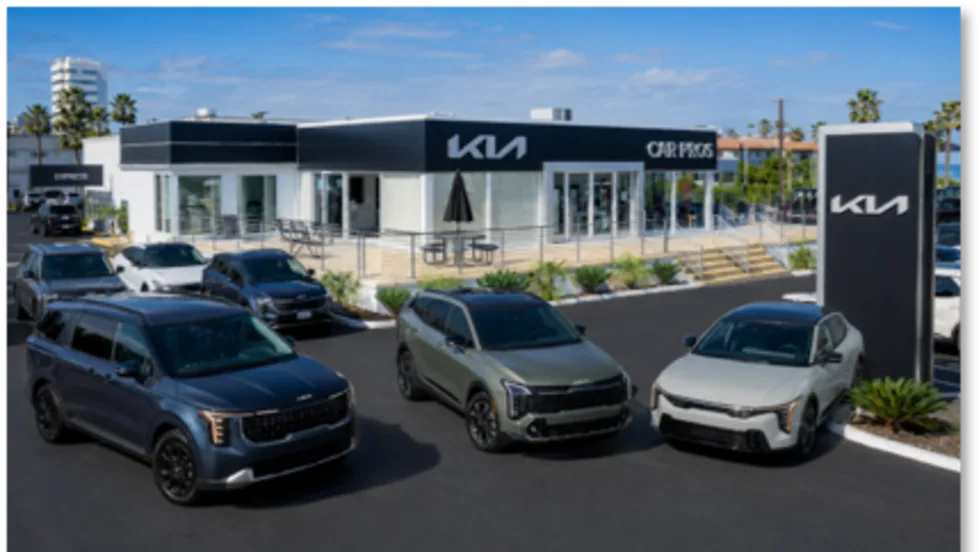
Auto Group Acquires Top-Performing Rooftop
Car Pros sold its Kia Huntington Beach location to Sutherlin Automotive Group, marking the buyer’s third location in Southern California.
Read More →
China as Pacesetter
Automotive leaders huddled on where North America stands in the global picture and how it can strengthen its position against the Asian juggernaut’s surging industry.
Read More →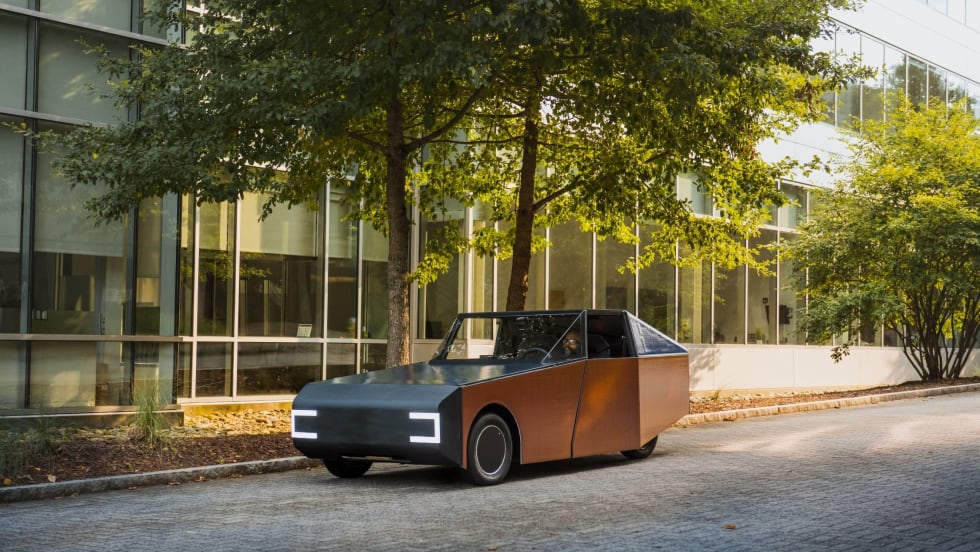
BMW Concept Car Makes Fuel to Burn
The prototype developed in concert with a South Carolina university engineering team generates more solar energy than it uses in a typical daily commute.
Read More →
South Carolina Auto Group Downsizes
Florida-based group Holler-Classic has acquired four rooftops, its first in South Carolina, from Dick Smith Automotive Group.
Read More →