



NADA Chairman Paul Walser: 2021 Brings New Opportunities for Auto Dealers Nationwide
Paul Walser, NADA's 2021 Chariman, recently released a message to the association's members.
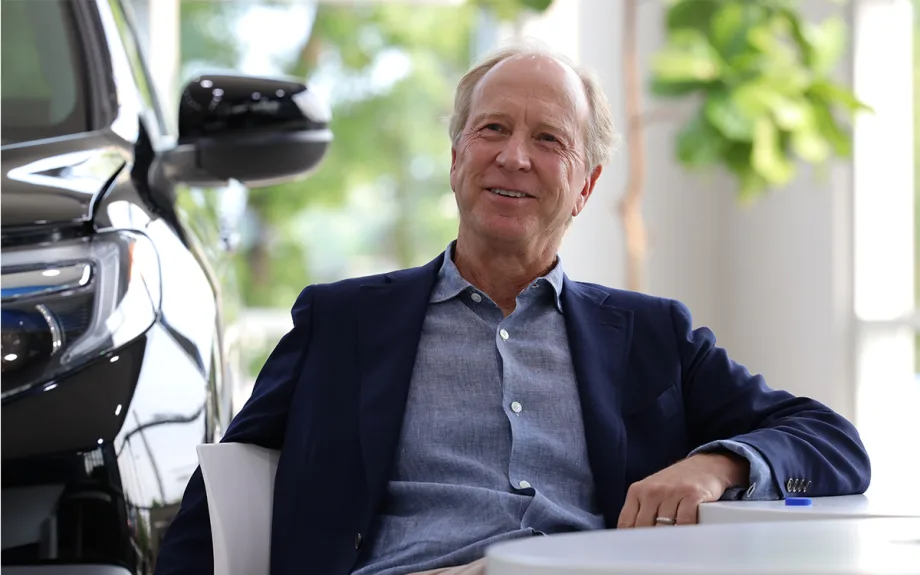
The beauty of our industry is that anyone can thrive—even through market turmoil culture and a global pandemic. I commend fellow dealers for your hard work through these unprecedented times.
NADA – Paul Walser, NADA's 2021 Chariman recently released a message to the association's members:
This year, I challenge fellow dealers to look at all aspects of our business through the lens of the customer and be open to a mindset of doing things a different way.
While we are nearing the end of the first quarter of 2021, this year brings a host of new opportunities for America’s automobile dealers. NADA and its dealers have continuously rallied together despite the pressing challenges brought on by the global health crisis. I commend all dealers for ensuring the safety and security of your customers and employees through a remarkable time—all while keeping the doors of your showrooms and service departments open for business. I must also commend my predecessor, NADA 2020 chairman Rhett Ricart, for leading our entire industry through a time of uncertainty. Rhett deserves a hearty “thank you” from all dealers and dealership employees for his steady and strong presence as he and NADA guided us through a tumultuous time.
Dealers continue to battle challenges brought on by the COVID-19 pandemic, but our industry began 2021 on an optimistic note. Franchised new-car dealerships reached 14.5 million new-vehicle sales last year. Despite the lowest monthly SAAR on record (8.7 million units last April,) signs of the new-vehicle sales recovery began in the second half of 2020. As the year continues, NADA anticipates sales of 15.5 million new units (an increase of 7.2% from 2020.) But we are cautious of several potential roadblocks: COVID-19 cases could lead to production disruptions along the vehicle supply chain; supplies could be impacted by a global shortage of semiconductor microchips used for auto production; and customers may experience tight inventory on dealer lots.
Recovering from a pandemic and regaining momentum in the retail sector is our initial challenge. But strengthening our franchise system—and a willingness to do things a different way—is our long-term goal. Every dealer has a responsibility to make the franchise system stronger. In my incoming remarks as NADA chairman, I identified three areas that—if improved—can make us stronger: Diversity and inclusion; dealer-OEM relationships; and dealer involvement. Fostering diversity in the automotive industry is not only the right thing to do, but also good for our business.
I’m proud that NADA will work to advance its own diversity initiatives throughout the year, so we can attract a more diverse workforce, create opportunities for women and other underrepresented groups, and help more minority dealers succeed. We will look at many avenues to new pathways, including more tools and resources, business training, coaching and mentoring, access to capital and, ultimately, creating partnerships.
To that end, we will also work to improve dealer-OEM relationships for the benefit of our customers. We’re living in a rapidly changing business environment. And the fact remains, customers don’t want to spend four hours understanding the price of a car. We must improve our operations so that customers are drawn to our speed, transparency and control in the process. Shortening the transaction time is critical to our future. In the past 90 days, I’ve spoken to the North American leadership of most of the manufacturers that sell cars in this country. There’s an appetite on their part to work with dealers to strengthen the franchise system and improve the customer experience.
As you can see, we have a lot of work ahead, but also a lot of opportunity. The beauty of our industry is that anyone can thrive—even through market turmoil culture and a global pandemic. I commend fellow dealers for your hard work through these unprecedented times. This year, the nation’s automobiles dealers will continue to show what they’re made of!
Originally posted on Auto Dealer Today
More Industry
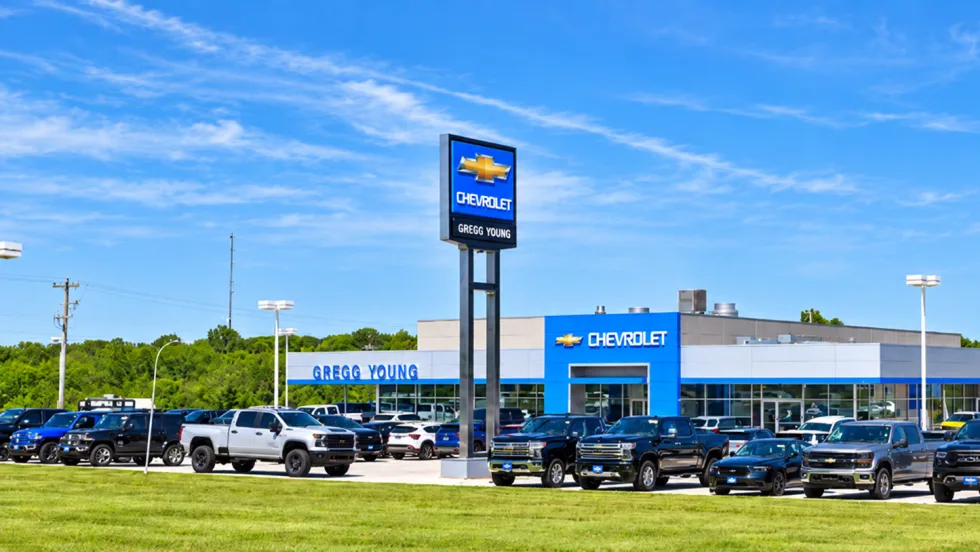
Nebraska Rooftop Changes Hands
The Gregg Young Automotive Group has sold its second dealership to Janssen Auto Group, both in Plattsmouth, Neb.
Read More →
Penske Auto Group Deal a Record
The deal to take the dealership and transportation services company private sets a new pace for industry buy-sell transactions.
Read More →
War Toll a Damper on Used Auto Prices
Cox Automotive found wholesale depreciation to be elevated in September amid high fuel prices and this year's unusual hurricane season.
Read More →
Bridge the Maintenance Gap
With many drivers missing recommended maintenance, service departments offering transparency and efficiency have a better chance of reaching financially strained consumers.
Read More →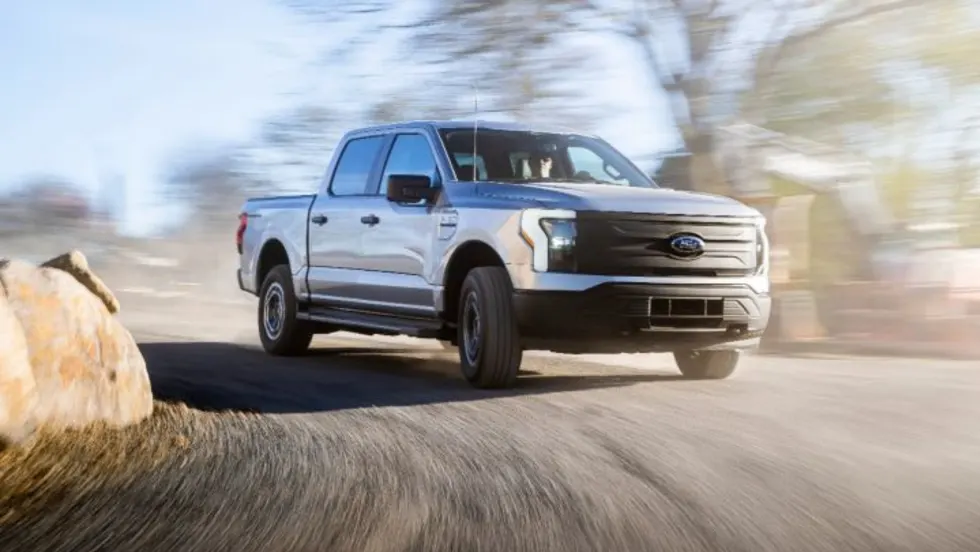
California Store Has New Owner
The longtime dealership in the northern part of the state is known for robust fleet sales and has served the state capital for 115 years.
Read More →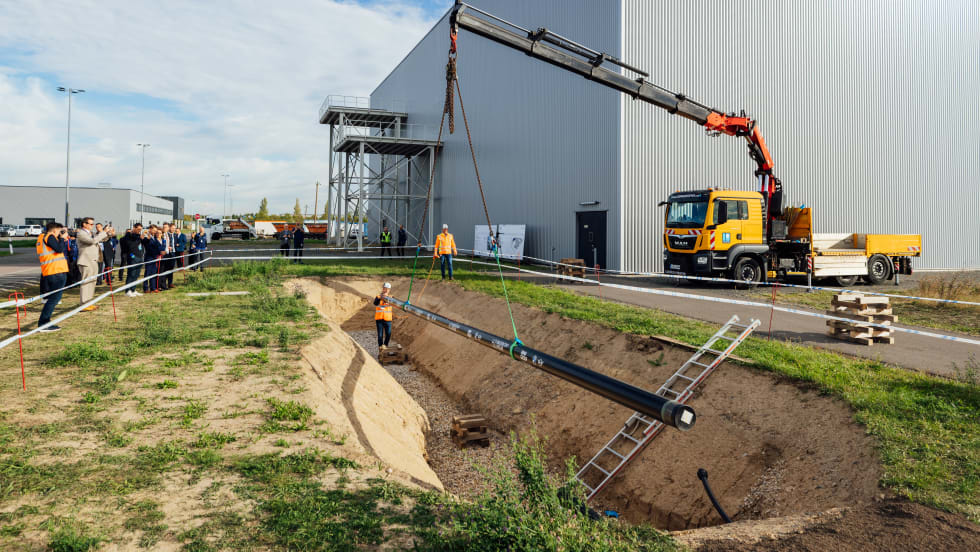
BMW Plant Pursues Cleaner Energy
BMW Group Plant Leipzig has utilized hydrogen to help power its production since 2013, but a new pipeline is planned to take it to another level.
Read More →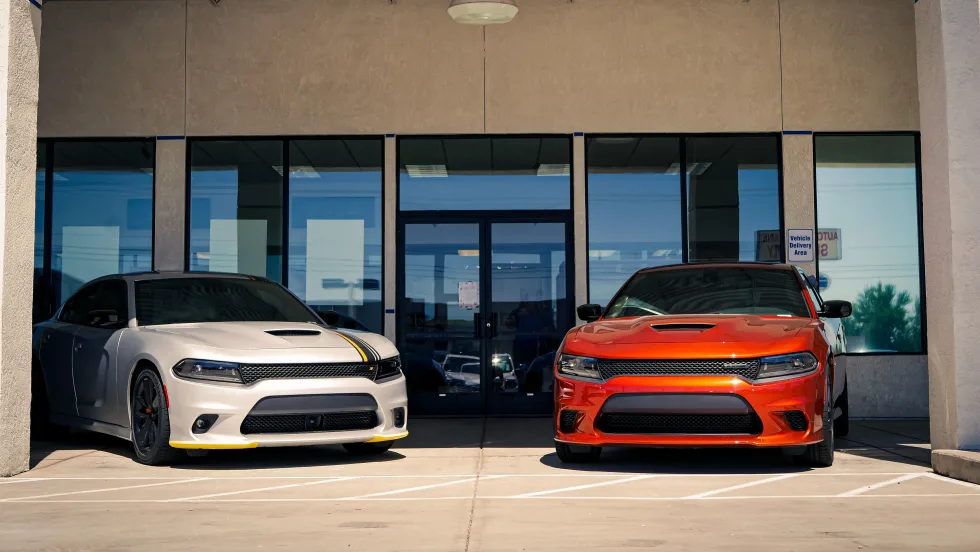
Auto Affordability Inches Up
The latest Cox Automotive and Moody’s Analytics index shows a slight increase in new-vehicle affordability despite high prices.
Read More →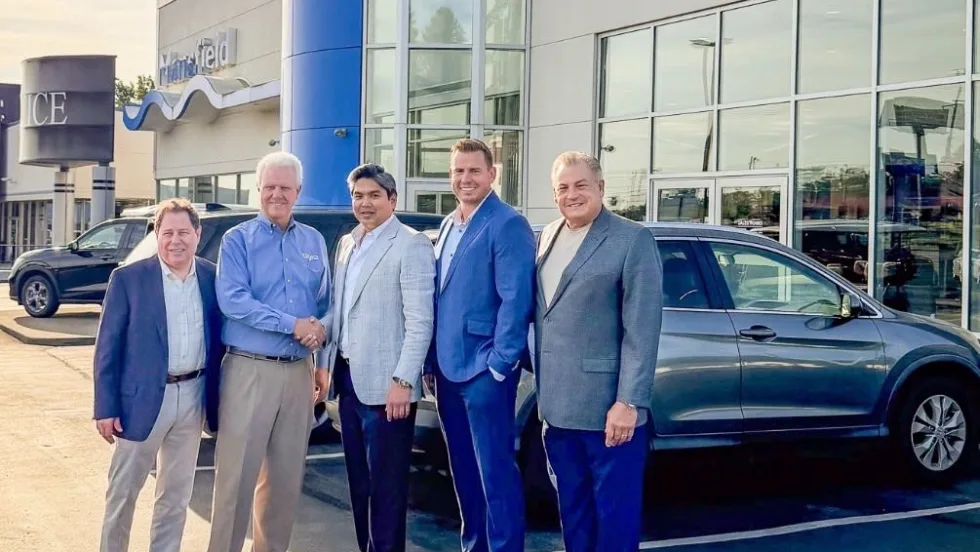
Ohio Auto Group Under New Ownership
After 79 years with the Schluter family, Mansfield Auto Group has been acquired by Missouri-based Clement Auto Group.
Read More →
RV Group Expands Carolina Footprint
Blue Compass RV Columbia Northeast is the 13th RV dealership owned by Blue Compass in the Carolinas.
Read More →
Agent Acumen
An Agent Summit panel of people who’ve been supporting auto dealers for years gave both timely and timeless advice for those starting out or mulling the prospect.
Read More →