



NADA: 17.4 Million Units Possible for 2017
LOS ANGELES — Noting that the economic outlook is a little less certain than a week ago, the National Automobile Dealers Association’s Steven Szakaly called for a 17.1 million-unit year in 2017. But the NADA’s chief economist said he’ll have a better read by the end of February, beginning of March. By that time, Szakaly ... Read More »

LOS ANGELES — Noting that the economic outlook is a little less certain than a week ago, the National Automobile Dealers Association’s Steven Szakaly called for a 17.1 million-unit year in 2017. But the NADA’s chief economist said he’ll have a better read by the end of February, beginning of March.
By that time, Szakaly added, the industry could be on pace to sell more than 17.1 million new vehicles. The key will be whether President-elect Donald Trump sticks to his promises of tax reform, increased infrastructure spending, and reducing the regulatory burden in the banking, automotive, and energy sectors.
“These will all be net benefits. The question, of course, is, will these net benefits be outweighed by possible net negatives, which are, of course, the outlook on immigration and the outlook on free trade,” said Szakaly today at an economic briefing ahead of the Los Angeles Auto Show. “At this point, it’s really difficult to determine which set of factors are going to win out.”
As for 2016, Szakaly said new-vehicle sales are on pace for a 17.4 million-unit year with seven weeks remaining. That would be 200,000 units less than 2015’s all-time sales record of 17.5 million units.
The chief economist described the market as stable but not growing, noting that pent-up demand is “effectively spent.” What’s sustaining auto sales momentum is that the overall economic outlook for 2017 remains strong, with projected gross domestic product growth at 2.6%, employment growth between 150,000 to 180,000 per month, and the price for regular-grade gasoline at less than $2 per gallon.
The easing of fuel economy regulations would benefit the economy even more, he added. Rising wages, which have been stagnant in many sectors, would also help. Szakaly said wages have been rising steadily for college-educated workers.
The chief economist listed rising interest rates as a concern, but said that even a 2% increase would add only $30 dollars to a monthly car payment. Currently, he noted, average interest rates are running at 4.8%, with monthly payments averaging between $485 and $500.
“That’s really not much when we think about what most of these vehicles are running and costing,” he said if rates were to rise by 200 basis points. “I think consumers will be able to pay that as we look at least out into 2017. I think what we’re looking at a 50 basis-point rise by the end of 2017.”
Szakaly also listed ever-increasing loan terms and higher vehicle transaction prices as concerns. As for the latter, Szakaly believes higher transaction prices will likely be offset by manufacturer incentives, which he described as “stable at a very high level.”
Incentives, he noted, have reached $3,900, on average, per unit, representing 10.8% of MSRP. The only time the industry has seen incentives that high was in 2008. The problem is high incentives tend to push down used-vehicle prices, which could push down trade-in equity for car buyers.
Szakaly said he also expects new-vehicle dealership to retail 15.3 million used vehicles in 2017, compared to an expected 15.1 million used sales in 2016. The total used-vehicle market will exceed 40 million retail sales in 2017, he added.
“I tend to favor the idea that we will see some significant reforms on the tax side. We will see some fairly large spending in terms of infrastructure, and I think we will see a reduction in the regulatory burden far sooner than we will see the negative consequences in immigration crackdown … reductions in free trade,” Szakaly said of the new administration. “Overall, I believe the second half of 2017 could very well surprise both for gross domestic product growth and for motor vehicles. If all of these policies come to fruition, we could see a year in the 17.3 or 17.4 million [range].”
More Industry
Nebraska Rooftop Changes Hands
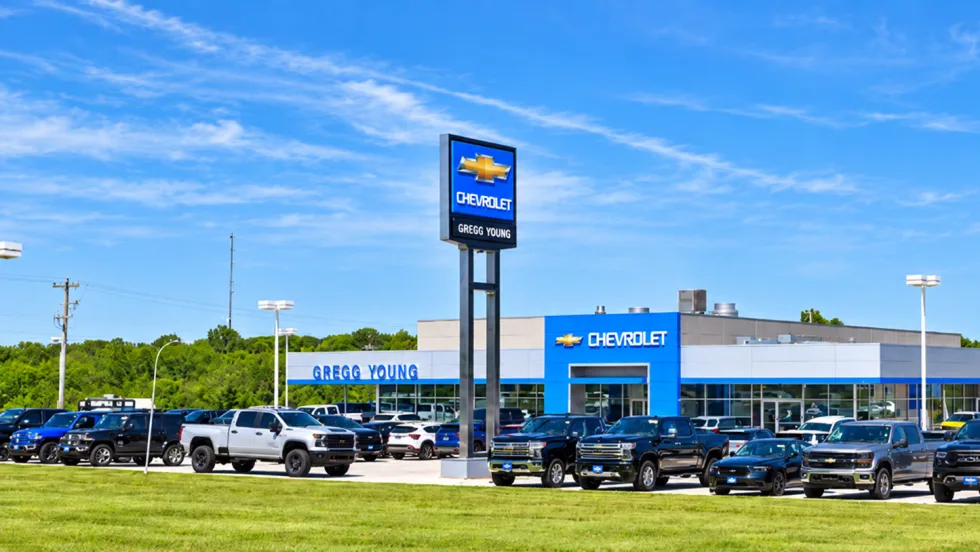
The Gregg Young Automotive Group has sold its second dealership to Janssen Auto Group, both in Plattsmouth, Neb.
Read More →
Penske Auto Group Deal a Record
The deal to take the dealership and transportation services company private sets a new pace for industry buy-sell transactions.
Read More →
War Toll a Damper on Used Auto Prices
Cox Automotive found wholesale depreciation to be elevated in September amid high fuel prices and this year's unusual hurricane season.
Read More →
Bridge the Maintenance Gap
With many drivers missing recommended maintenance, service departments offering transparency and efficiency have a better chance of reaching financially strained consumers.
Read More →
California Store Has New Owner
The longtime dealership in the northern part of the state is known for robust fleet sales and has served the state capital for 115 years.
Read More →
BMW Plant Pursues Cleaner Energy
BMW Group Plant Leipzig has utilized hydrogen to help power its production since 2013, but a new pipeline is planned to take it to another level.
Read More →
Auto Affordability Inches Up
The latest Cox Automotive and Moody’s Analytics index shows a slight increase in new-vehicle affordability despite high prices.
Read More →
Ohio Auto Group Under New Ownership
After 79 years with the Schluter family, Mansfield Auto Group has been acquired by Missouri-based Clement Auto Group.
Read More →
RV Group Expands Carolina Footprint
Blue Compass RV Columbia Northeast is the 13th RV dealership owned by Blue Compass in the Carolinas.
Read More →
Agent Acumen
An Agent Summit panel of people who’ve been supporting auto dealers for years gave both timely and timeless advice for those starting out or mulling the prospect.
Read More →