



More Trade-Ins Under Water
Fourth-quarter numbers show the consequences of pandemic-era practices.


Consumers who paid more than manufacturer’s suggested retail prices during the pandemic are the most vulnerable to going under water because their newer trade-in models are most prone to big value declines.
IMAGE: Pexels/Sora Shimazaki
Trade-in vehicles in negative equity are at a two-year high, according to Edmunds data.
Of those traded in the fourth quarter for new-vehicle purchases, 20.4% were in negative equity, up from about 18% a year earlier and 15% two years earlier, Edmunds says.
The average debt level of borrowers in negative equity situations, meanwhile, climbed from $5,347 in the fourth quarter of 2022 to a record $6,064, which is up 46% from two years earlier.
Edmunds said that with renewed new-vehicle sales due to replenished inventories and the return of incentives, used-vehicle transactions have in turn cooled.
"With demand for near-new vehicles on the decline, used car values are depreciating similarly to the way they did before the pandemic, and negative equity is rearing its ugly head," said Director of Insights Ivan Drury in a press release.
Consumers who paid more than manufacturer’s suggested retail prices during the pandemic are the most vulnerable to going under water because their newer trade-in models are most prone to big value declines.
The average transaction price of 1-year-old vehicles fell 15% in the quarter to $38,720, Edmunds said. ATP of 2-year-old models fell 9% to $32,583.
It’s the reverse of the pandemic scenario of scarce used vehicles due to supply constraints’ effect on new-vehicle production.
"During the last few years, consumers could jump into new car loans and their trade-ins were shielded from negative equity because some dealers, desperate for used inventory, were willing to pay near original purchase prices," Drury said. "These days, consumers need to be more careful — especially if they're trading in newer vehicles — because near-new cars are being hit the hardest by depreciation."
Originally posted on F&I and Showroom
More F&I
To Include Products in the First Pencil or Not
In this month's Under the Hood, Editor Hannah Mitchell examines a question many auto dealers have been asking since Federal Trade Commission enforcement intensified this year.
Read More →
Get Ahead of the Change
A strong culture, among other things, will be a key differentiator for auto dealerships as the market speeds ahead to new heights, says industry veteran Joel Kansanback.
Read More →
F&I Without the Handoff
Get more familiar with what your dealer clients are really buying when they entrust you with finance-and-insurance.
Read More →
Affordability Shapes Auto Demand
Auto originations increased 1% in the first quarter, and electric vehicles are rebounding, according to TransUnion's latest credit report.
Read More →
The Evolution of Agency Development in Modern F&I
General agents have a different roadmap for success than their predecessors. It will pay for them to follow it in order to be true dealer partners.
Read More →
Four-Figure Loan Payments on the Rise
A LendingTree analysis found that location, age and credit score play a role in the rising amount of auto loan borrowers who make monthly payments of $1,000 or more.
Read More →
APCO Holdings Acquires Fidelity Dealer Services
The finance-and-insurance product provider says the addition strengthens EasyCare’s reach across key markets.
Read More →
Tariffs Could Raise Insurance Premiums
As U.S. import tariffs affect repair costs, consumers might find it more affordable to replace a damaged vehicle, according to recent Insurify tariff analysis.
Read More →
Smaller Loans, Longer Terms
The youngest generation of car buyers is more likely to finance less expensive vehicles, more than half of generation Z consumers borrowing less than $25,000.
Read More →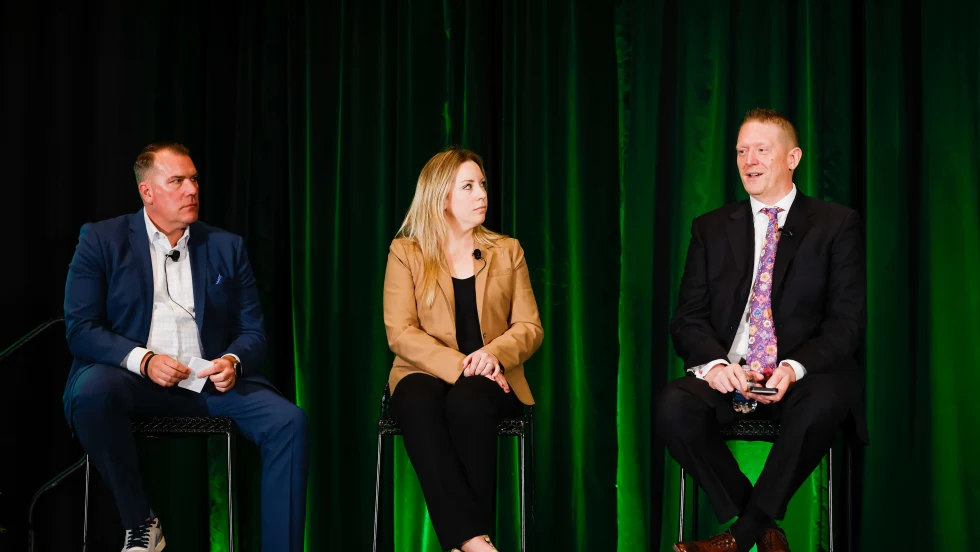
Ensure Your Clients Are Sure About Reinsurance
Industry experts recently broke down the complicated profit center at Agent Summit. Learn what’s relevant and what’s new to share with your dealers.
Read More →