



MIT Joins Toyota's Safety Research Program

ANN ARBOR—Drivers are urged to keep their eyes on the road and their hands on the wheel — and off their smart phones. But they can be looking straight ahead and still be distracted if they're engaged in conversation on a hands-free phone or with the car's voice-activated controls, according to studies at the Massachusetts Institute of Technology.
"Keeping your eyes on the road doesn't mean your mind is on the road," said Bryan Reimer, a research scientist at MIT. The university will work with Toyota Motor Corp. on a study to quantify how voice-activated systems affect drivers. The project is one of several that Toyota's new Collaborative Research Safety Center is conducting with educational and other institutions to improve vehicle safety, reported The Detroit News.
Toyota officials said at the Detroit auto show in January that the company, struggling to restore its reputation after massive safety recalls, would spend $50 million over five years on safety research projects, most of them with U.S. partners.
"The establishment of the Collaborative Safety Research Center was the direct result of the commitment that (Toyota President) Akio Toyoda made to Congress and to the American people that Toyota would advance automotive safety research," said Chuck Gulash, director of the center.
Its research will be available to other automakers and organizations in a bid to make all cars and trucks safer. The center also aims to contribute and help speed up the establishment of industry-wide standards, said Moritaka Yoshida, Toyota's chief safety technology officer.
Based in Japan, he traveled to Ann Arbor to attend a two-day conference on the safety projects at Toyota's North American technical center.
In addition to tackling driver distraction — one of U.S. Transportation Secretary Ray LaHood's chief concerns — the center also is trying to address the needs of vulnerable groups, such as the elderly, small children and young drivers. Drivers in their teens and early 20s are proportionately involved in far more fatal accidents than other adults, as are people in their late 70s and older.
Vehicle crashes are the leading cause of death for 16- to 19-year-olds, who are less experienced and more reckless than older drivers, studies show.
Toyota is teaming up with the Virginia Tech Transportation Institute on a project to film young drivers and alert them to any risky behaviors they display. The teenagers don't seem inhibited by the cameras as they eat, dial phones and multitask in other ways — all behind the wheel.
"We believe it's in the first couple of hours that people forget" that they're being observed, said Charlie Klauer at the institute.
The widespread use of seat belts and other passive safety systems has helped bring down U.S. traffic fatalities even though people are driving more.
"But still, 30,000 people are killed a year," said Gulash.
They include a disproportionate number of elderly drivers and passengers whose bodies and bones, particularly rib cages, change shape over the years. They need air bags and seat belts that take this into account.
The elderly also tend to have slower reaction times and reduced fields of vision. But their powers of observation can improve with exercises that can be done on desktop computers, such as the DriveSharp program.
Toyota will develop special senior versions of its virtual test dummies, called Thums, for Total Human Model for Safety, which depict how organs as well as bones react to outside force and are used by suppliers and other companies.
"The collaborative approach is a way to accelerate and also to standardize — which is a really critical issue," said David Cole, chairman emeritus of the Center for Automotive Research in Ann Arbor and now with AutoHarvest, an organization promoting auto technology sharing.
Among the local projects, Toyota will team up with the University of Michigan Transportation Research Institute to study the relationship between age and seated posture in a car, and how it affects seat belt fit.
Toyota will study Washtenaw County crash data to explore new models of crash data collection and ways to prevent collisions.
It will conduct a three-year study of driver distraction with Wayne State University's School of Medicine, as well as a longer joint study into body characteristics of children and seniors and how to take them into account when designing safety systems.
More Industry

Ohio Auto Group Under New Ownership
After 79 years with the Schluter family, Mansfield Auto Group has been acquired by Missouri-based Clement Auto Group.
Read More →
RV Group Expands Carolina Footprint
Blue Compass RV Columbia Northeast is the 13th RV dealership owned by Blue Compass in the Carolinas.
Read More →
Agent Acumen
An Agent Summit panel of people who’ve been supporting auto dealers for years gave both timely and timeless advice for those starting out or mulling the prospect.
Read More →
Missed Maintenance Creates Opportunity
As families get back on the road and into daily school routines, service drives have an opportunity to capture customers who are behind on recommended vehicle maintenance.
Read More →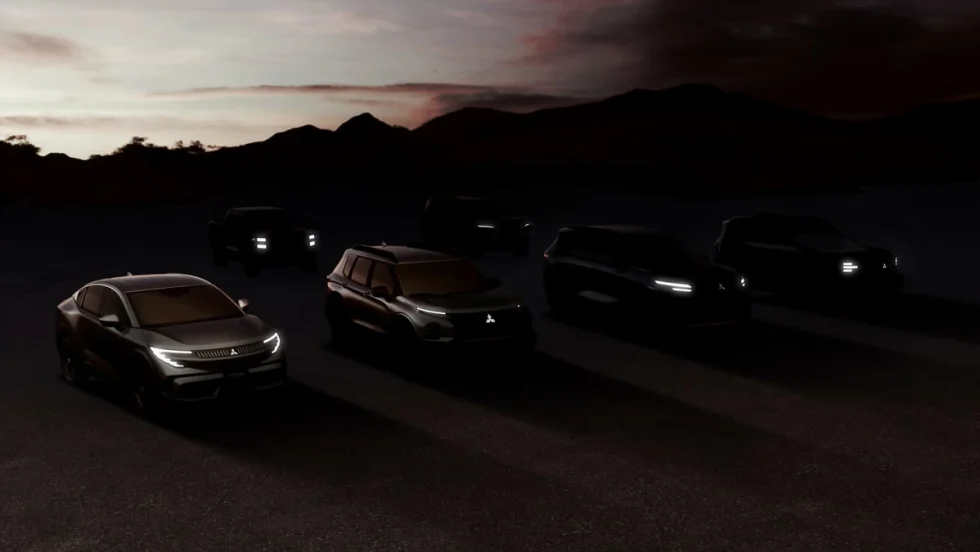
Mitsubishi Unveils U.S. Plan
The automaker announced a strategy that includes an expanded lineup and dealership presence, along with more ‘rugged’ and electric models.
Read More →
Selling to Grow
The question of whether you should sell your agency and if so, when, is up to you. But it’s a question worth asking to ensure you keep the business on the right path for yourself, employees and clients.
Read More →
Recalled Vehicles Hit 5-Year High
Though the number of events has fallen so far this year, impacted units are up significantly. Meanwhile, regulators consider consumer notification changes.
Read More →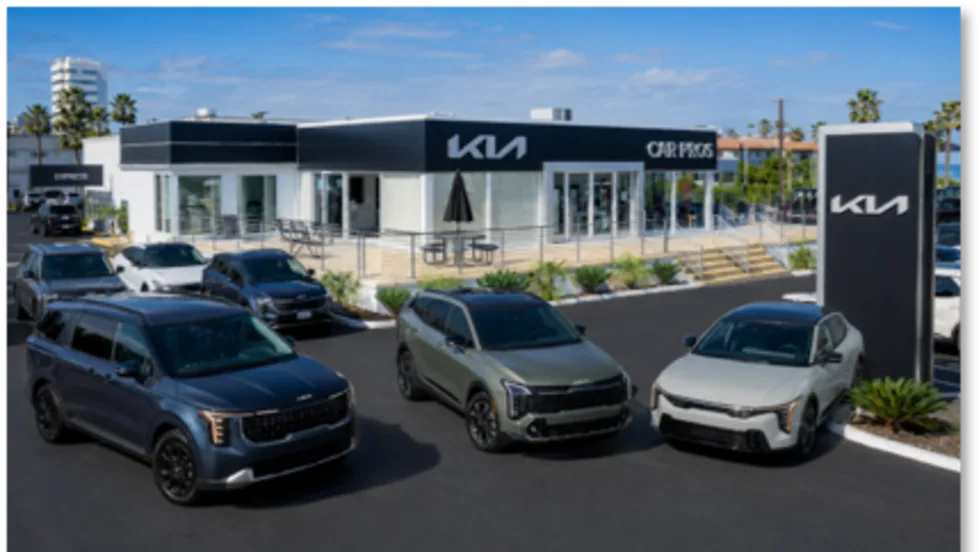
Auto Group Acquires Top-Performing Rooftop
Car Pros sold its Kia Huntington Beach location to Sutherlin Automotive Group, marking the buyer’s third location in Southern California.
Read More →
China as Pacesetter
Automotive leaders huddled on where North America stands in the global picture and how it can strengthen its position against the Asian juggernaut’s surging industry.
Read More →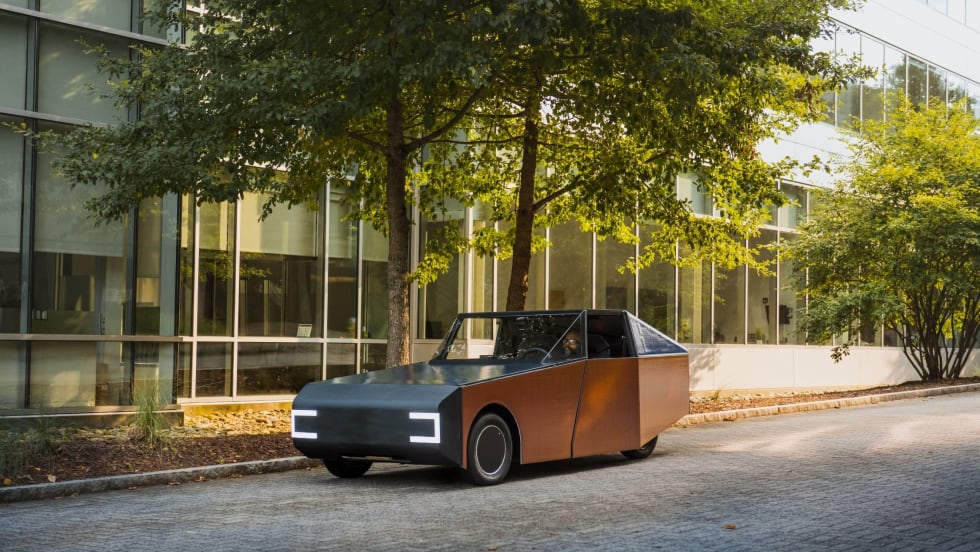
BMW Concept Car Makes Fuel to Burn
The prototype developed in concert with a South Carolina university engineering team generates more solar energy than it uses in a typical daily commute.
Read More →