



Millions of Fords Recalled for Engine-Fire Risk Still Unrepaired

WASHINGTON - About 8.4 million Ford vehicles that can possibly catch fire remain on the road because of lack of owner information even after the largest U.S. safety recall ever, Automotive News reported.
The National Highway Traffic Safety Administration urged owners of the 14 million vehicles recalled between 1999 and 2009 for leaky cruise-control switches to take their unrepaired vehicles in to dealers. The switches on those vehicles may leak into the antilock brake system, Ford has said.
“If not repaired, the vehicles can catch fire, even if they are turned off, parked and unattended,” NHTSA's statement today said.
A NHTSA spokeswoman said that about 60 percent of the 14 million recalled vehicles -- or 8.4 million – have not been brought in for repair by owners.
Typically, about 30 percent of recalled vehicles are not returned for repair within a year-and-a-half of the announcement, said the spokeswoman, who asked not to be named.
Today's statement singled out used-car owners who may not know whether the vehicles they bought had ever been returned to dealers for needed repairs.
It also urged owners “to watch for potential warning signs of an imminent fire.”
Those signs include a cruise-control system or brake lights that stop working, low brake fluid and the illumination of brake warning lights on the dashboard.
Ford has notified owners about the recalls a number of times, company spokesman Wesley Sherwood said.
The repair rate for the Ford models has been “likely lower than typical” because of their age, he added.
NHTSA praised the automaker's notification efforts as “diligent.”
Among the models that have been recalled over the years are 1992-2003 E series, 1993-2003 F series, 1995-2003 Windstars, 1995-2002 Explorers and 1995-2003 Rangers.
Ford's series of eight recalls for the same defect amounted to the largest-ever U.S. recall, according to NHTSA data. The 14 million vehicles recalled are nearly double the size of the next biggest.
Ford's most recent recall of 4.5 million vehicles for leaky cruise-control switches was in October 2009 after customer complaints of 72 fires.
More Industry
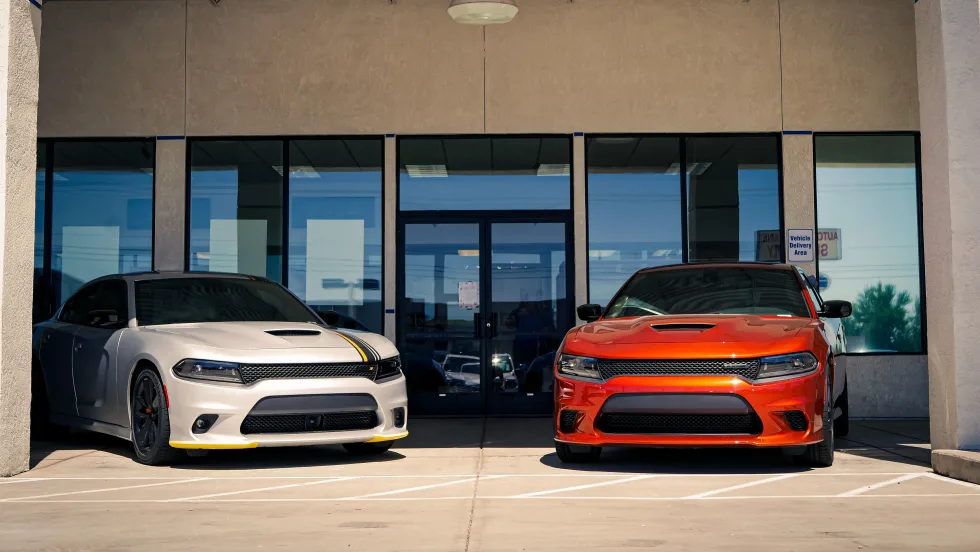
Auto Affordability Inches Up
The latest Cox Automotive and Moody’s Analytics index shows a slight increase in new-vehicle affordability despite high prices.
Read More →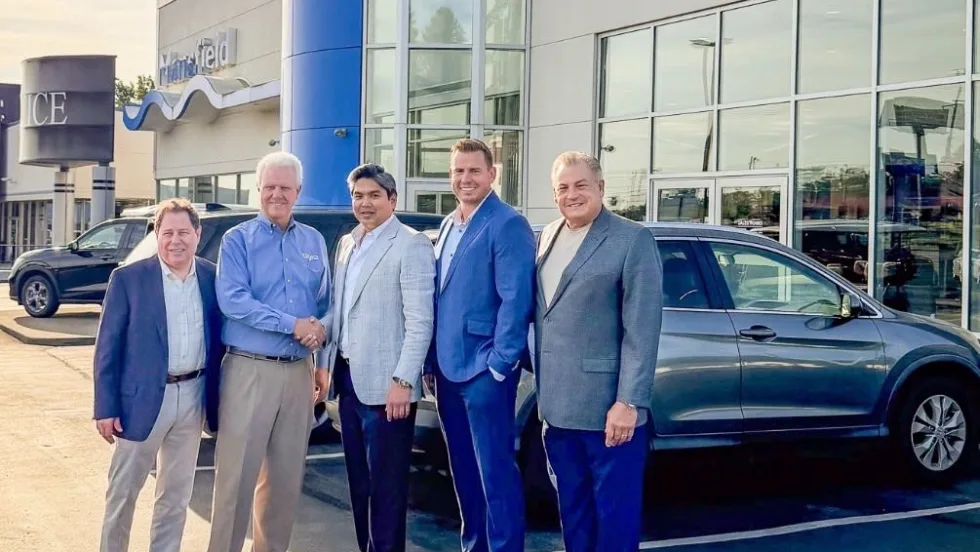
Ohio Auto Group Under New Ownership
After 79 years with the Schluter family, Mansfield Auto Group has been acquired by Missouri-based Clement Auto Group.
Read More →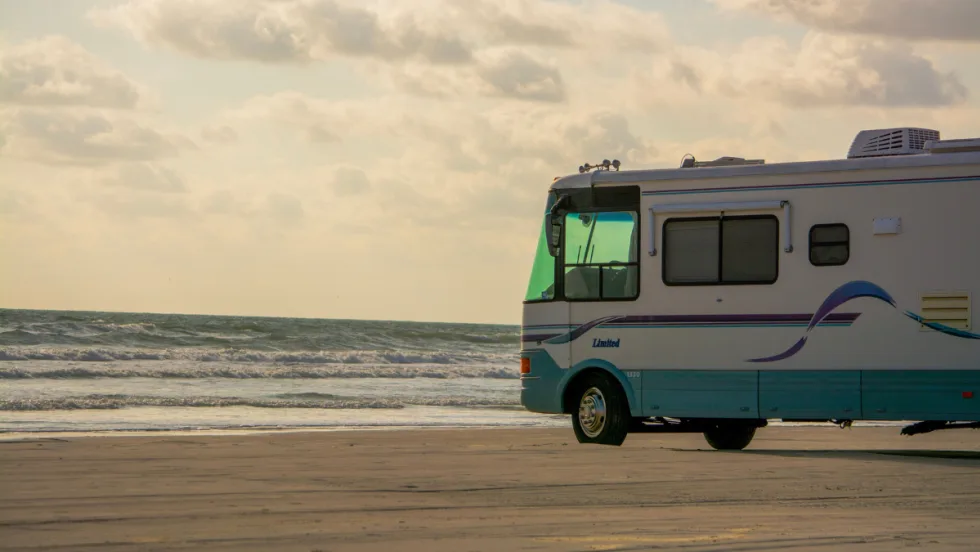
RV Group Expands Carolina Footprint
Blue Compass RV Columbia Northeast is the 13th RV dealership owned by Blue Compass in the Carolinas.
Read More →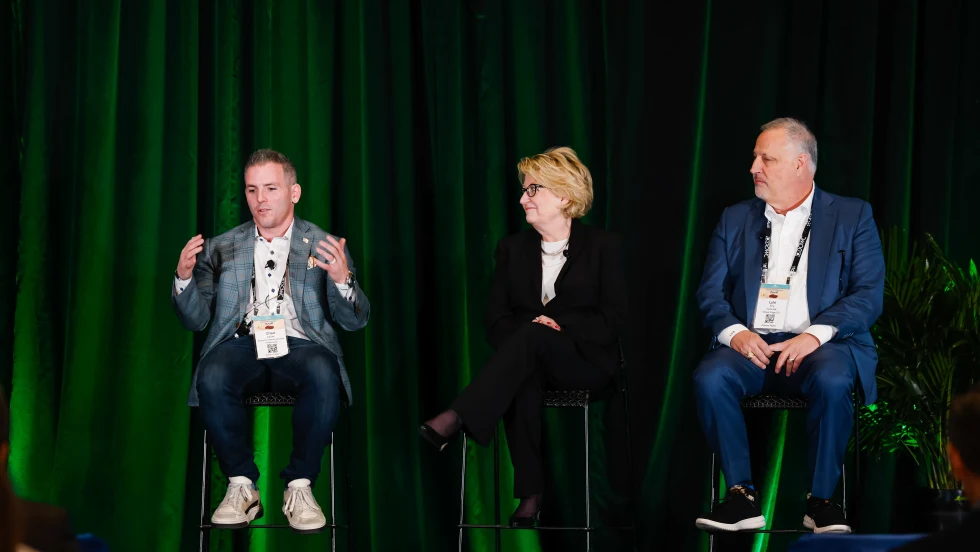
Agent Acumen
An Agent Summit panel of people who’ve been supporting auto dealers for years gave both timely and timeless advice for those starting out or mulling the prospect.
Read More →
Missed Maintenance Creates Opportunity
As families get back on the road and into daily school routines, service drives have an opportunity to capture customers who are behind on recommended vehicle maintenance.
Read More →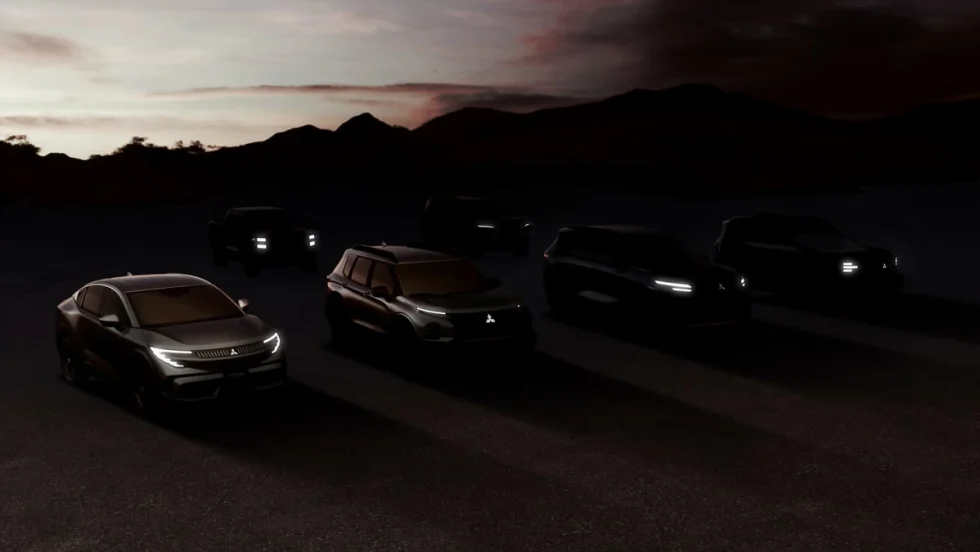
Mitsubishi Unveils U.S. Plan
The automaker announced a strategy that includes an expanded lineup and dealership presence, along with more ‘rugged’ and electric models.
Read More →
Selling to Grow
The question of whether you should sell your agency and if so, when, is up to you. But it’s a question worth asking to ensure you keep the business on the right path for yourself, employees and clients.
Read More →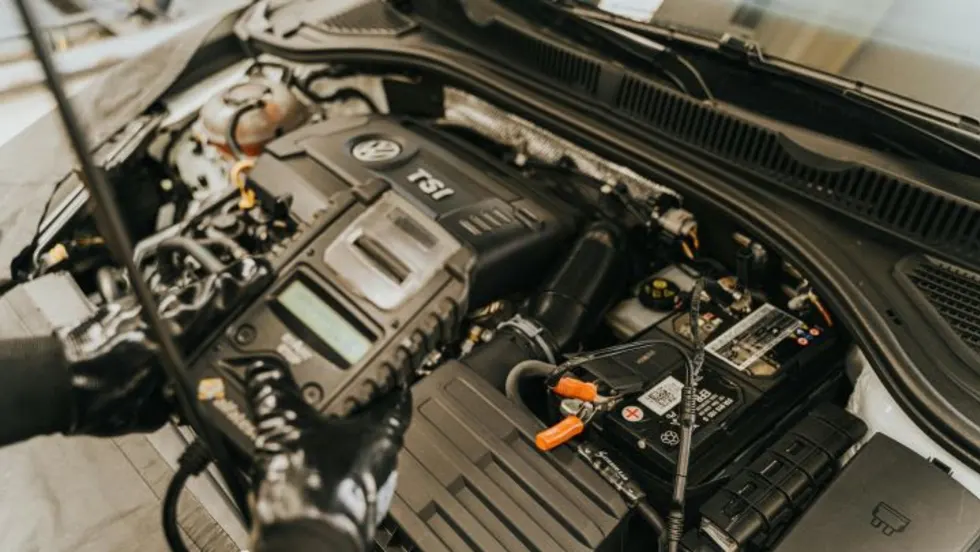
Recalled Vehicles Hit 5-Year High
Though the number of events has fallen so far this year, impacted units are up significantly. Meanwhile, regulators consider consumer notification changes.
Read More →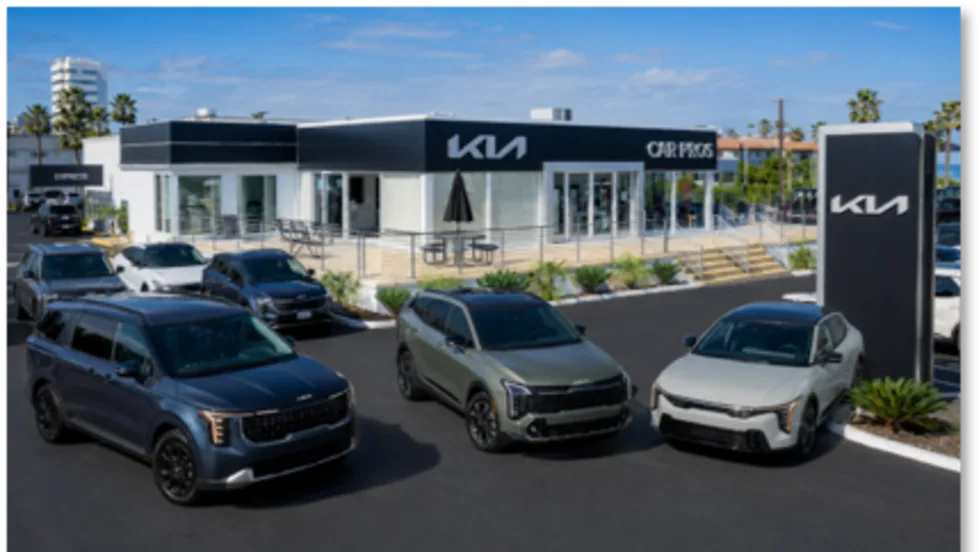
Auto Group Acquires Top-Performing Rooftop
Car Pros sold its Kia Huntington Beach location to Sutherlin Automotive Group, marking the buyer’s third location in Southern California.
Read More →
China as Pacesetter
Automotive leaders huddled on where North America stands in the global picture and how it can strengthen its position against the Asian juggernaut’s surging industry.
Read More →