



Japan Warns EV Tax Credit Changes Will Slash EV Auto Pool
New U.S. EV tax credit changes are coming under fire as Japan's government warns these credits could thwart further EV investment.


New U.S. EV tax credit changes are coming under fire as Japan's government warns these credits could thwart further EV investment.
IMAGE: Pixabay
The new electric vehicle tax credits in the United States are coming under fire as Japan's government warned these credits could deter further EV investment by the Japanese.
The Japanese government submitted a comment to the U.S. Treasury Department, raising several concerns about the tax credits in the Inflation Reduction Act (IRA). The Japanese government and the country’s auto lobbying group maintained in the statement that the credits put Japanese automakers at a disadvantage in the North American market.
The statement noted the requirements to be eligible for the tax credit are “not consistent” with the shared policy between Japan and the U.S. to build resilient supply chains by working with allies and partners.
The requirements to be eligible for the tax credit are "not consistent" with the shared policy between the Japanese and the U.S. governments to build resilient supply chains by working with allies and partners, the government said.
"It would be possible that Japanese automakers hesitate to make further investments toward electrification of vehicles. This could cause negative impacts on the expansion of investment and employment in the U.S.,” the statement said.
South Korea and other European countries have expressed similar concerns about the legislation. South Korea's foreign ministry is seeking a three-year grace period on the law to enable its automakers to keep receiving EV incentives in the U.S.
The new law adds incentives to bring more battery and EV manufacturing to the U.S. to the current $7,500 EV tax credit for consumers. The new legislation requires domestic content requirements to ratchet up over the next six years.
New restrictions on battery sourcing and critical minerals, and price caps and income caps, go into effect on Jan. 1. These changes could make all current EVs ineligible for the full $7,500 credit.
The U.S. Treasury Department and the Internal Revenue Service began collecting public comment on the new law last month.
Japan reports the new limits will narrow the EV options available to U.S. consumers at affordable costs and may interfere the Biden administration's climate goals.
Some U.S. automakers also are concerned by some aspects of the law.
Ford Motor Co suggested the U.S. Treasury Department limit the definition of a "foreign entity of concern" to ensure more electric vehicles qualify for up to $7,500 in consumer tax credits.
Originally posted on Auto Dealer Today
More Product & Technology
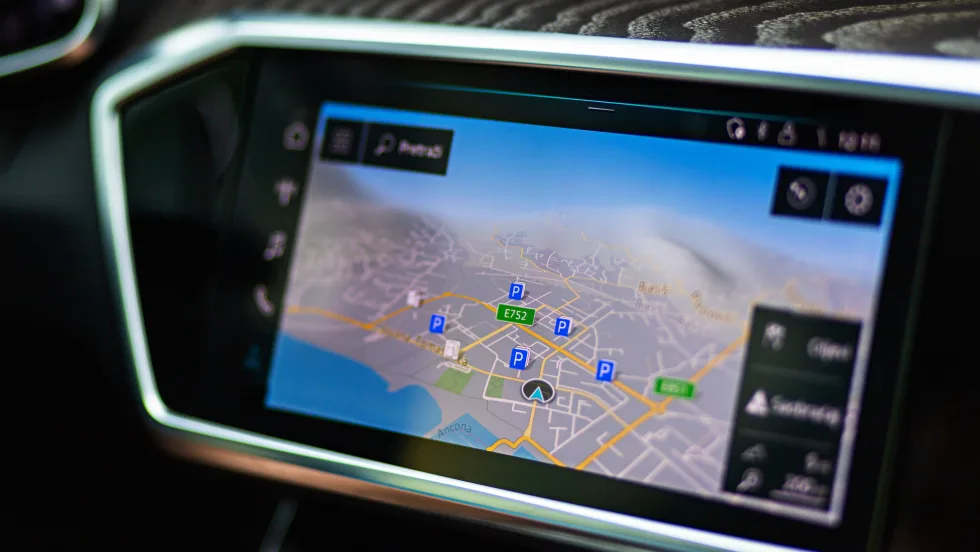
Computer Headaches on the Road
Consumers keep complaining about new cars’ infotainment tech, but are automakers listening? A recent survey shows regression except for mapping and speakers.
Read More →
Another Death Tied to Imported Air Bags
The Texas traffic fatality is the 11th federal regulators have connected to defective inflators imported from China. They urge that a certain population of used vehicles be inspected.
Read More →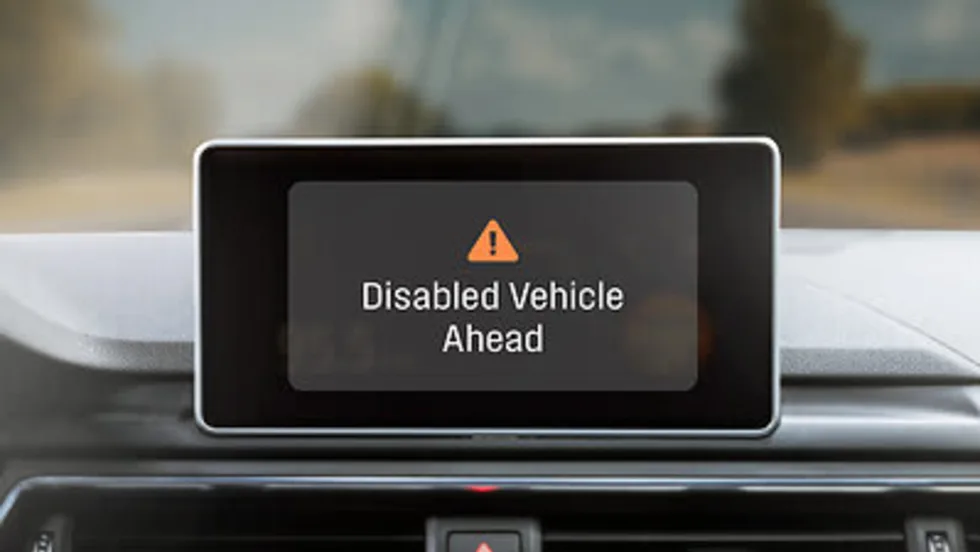
Roadside Warnings Debut
Mazda works with AAA and a technology company to alert passersby to stranded vehicles from its lineup, for both parties’ safety.
Read More →
AI As Trainer?
This month, Agent Entrepreneur Editor Hannah Mitchell shares an artificial-intelligence development that could upend traditional dealership training.
Read More →
A Lingering Auto Tech Divide
Automakers still struggle to hit consumers’ sweet spot, hanging onto the despised touchscreen and adding other complex systems while simple, effective details hit the mark.
Read More →
AI, China and the Next Wave of Auto Retail Innovation
F&I sits at the center of the changes expected to sweep the industry in just the new few years as new players change the game.
Read More →
That Bot Can Do a Lot
Artificial intelligence was all the buzz at the 2026 Agent Summit. A panel of tech specialists broke through the noise to give agents guidance on steering dealer clients.
Read More →
Cyber F&I
Your dealer clients could only benefit from showcasing products on their websites along with vehicle inventory. Modern consumers expect to be informed and are more likely to buy products when they are.
Read More →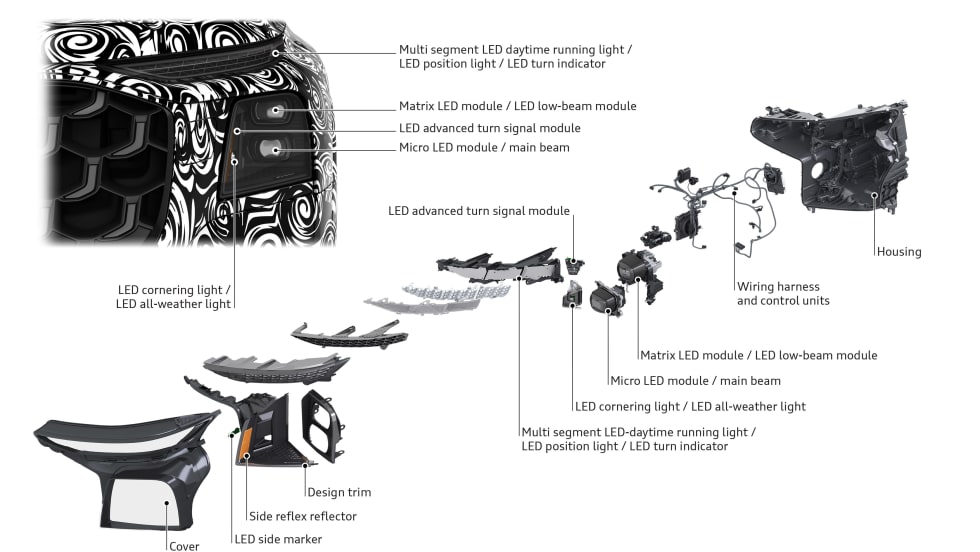
Road Glare to Drop a Notch?
Audi is preparing two SUV models for the American market with the automaker’s adaptive LED headlights. Its technology is designed to reduce brightness for other drivers, a growing complaint among U.S. motorists.
Read More →
AppOne Partners With RouteOne for E-Contracting Solution
By digitizing the entire contracting and funding process, the company says auto dealers can eliminate frustrating and disorganized manual processes.
Read More →