



IHS: Average Age of U.S. Vehicles Continues to Rise
The average age of America’s registered cars and light trucks has risen again, to 11.8 years, according to the latest report from IHS Markit.


The average age of a car or light truck registered in the U.S. grew to 11.8 years and has increased 4% per year increase since 2014, according to the latest figures from IHS Markit.
Photo by Mariana Plozner via Pexels
SOUTHFIELD, Mich. — The average age of light vehicles in operation (VIO) in the U.S. has risen again this year to 11.8 years, according to new research from business information provider IHS Markit.
Analysts noted this acceleration of average age can easily be seen when looking across the last 17 years: From 2002 to 2007, the average age of light vehicles in the U.S. increased by 3.5%. From 2008 to 2013, however, the increase was 12.2%. Over the last five years, the average age increase has returned to its more traditional rate, aging by 4% over this time period.
“Better technology and overall vehicle quality improvements continue to be key drivers of the rising average vehicle age over time,” said Mark Seng, director, global automotive aftermarket practice at IHS Markit. “The 40% drop in new-vehicle sales due to the recession created an acceleration in average age like we’ve never seen before. In the last couple of years, however, average age has returned to its more traditional rate of increase.”
Light vehicles in operation in the U.S. have now reached a record level of more than 278 million, according to the analysis — an increase of more than 5.9 million (2.2%) since 2018. This represents one of the highest annual increases the U.S. auto industry has seen since IHS Markit began tracking VIO growth — second only to the 2.3% growth in 2016.
“The increasing VIO fleet is providing a robust new business pipeline for the aftermarket,” said Seng. “A larger fleet means more service and repair opportunities in the future.”
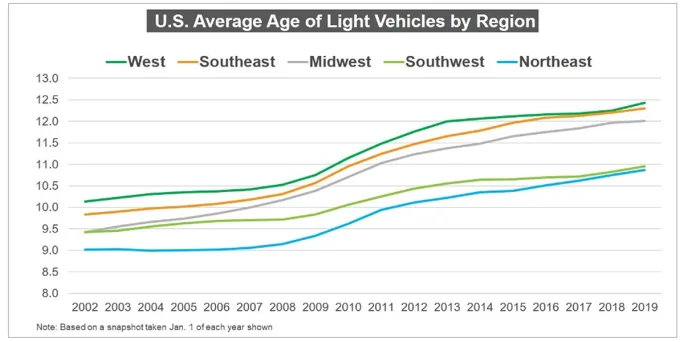
The West leads all U.S. regions with an average light-vehicle age of 12.4 years.
Source: IHS Markit
For the first time, the analysis included a review of various regions around the country. The oldest light vehicles are found in the West at 12.4 years while the youngest are found in the Northeast at 10.9 years. In addition, the light vehicle fleet is not aging at the same rate across regions. In the West, light vehicles increased 1.5% from 2018 to 2019 while in the Midwest they aged by just 0.4%. The state of Montana has the oldest average age with light vehicles averaging 16.6 years. The youngest average age is in Vermont, where the average age of light vehicles is 9.9 years.
Because of the growth in popularity of light trucks — including CUVs/SUVs — vehicle age in the U.S. is also increasing at different rates across vehicle segments. From 2018-2019, the average age of passenger cars increased 2.2% while light trucks aged at a rate of just 0.1%.
Analysts said the shifting dynamic of the age of vehicles in operation indicates the volumes of vehicles in the new to five-year-old category will grow 2% from 2018 to 2023, while vehicles in the six- to 11-year-old range will grow 27%. This is a very positive trend for the independent aftermarket as it points to a growing repair “sweet spot” — or growth in the vehicles which drive the most repair opportunities. In contrast, vehicles 12-15 years old will decline 27% over the same time period.
“While the decrease in light vehicles 12-15 years of age looks alarming, it relates to the drop in sales due to the recession,” said Seng. “There is simply a lack of 2008 and 2009 model year vehicles due to the lower sales numbers during that timeframe. Even the model years from early in the recovery are lower in number. This disruption simply needs time to work its way through the fleet.”
Originally posted on Auto Dealer Today
More Industry

Penske Auto Group Deal a Record
The deal to take the dealership and transportation services company private sets a new pace for industry buy-sell transactions.
Read More →
War Toll a Damper on Used Auto Prices
Cox Automotive found wholesale depreciation to be elevated in September amid high fuel prices and this year's unusual hurricane season.
Read More →
Bridge the Maintenance Gap
With many drivers missing recommended maintenance, service departments offering transparency and efficiency have a better chance of reaching financially strained consumers.
Read More →
California Store Has New Owner
The longtime dealership in the northern part of the state is known for robust fleet sales and has served the state capital for 115 years.
Read More →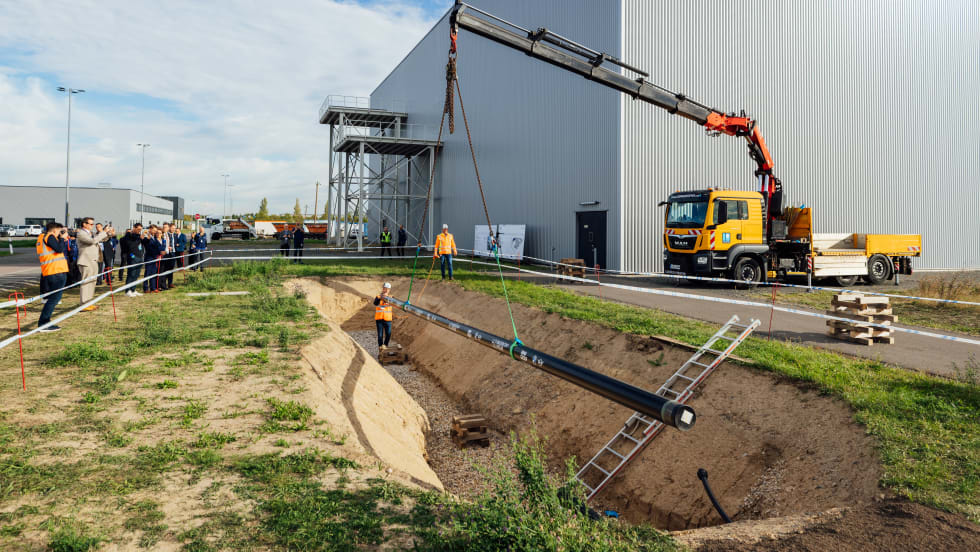
BMW Plant Pursues Cleaner Energy
BMW Group Plant Leipzig has utilized hydrogen to help power its production since 2013, but a new pipeline is planned to take it to another level.
Read More →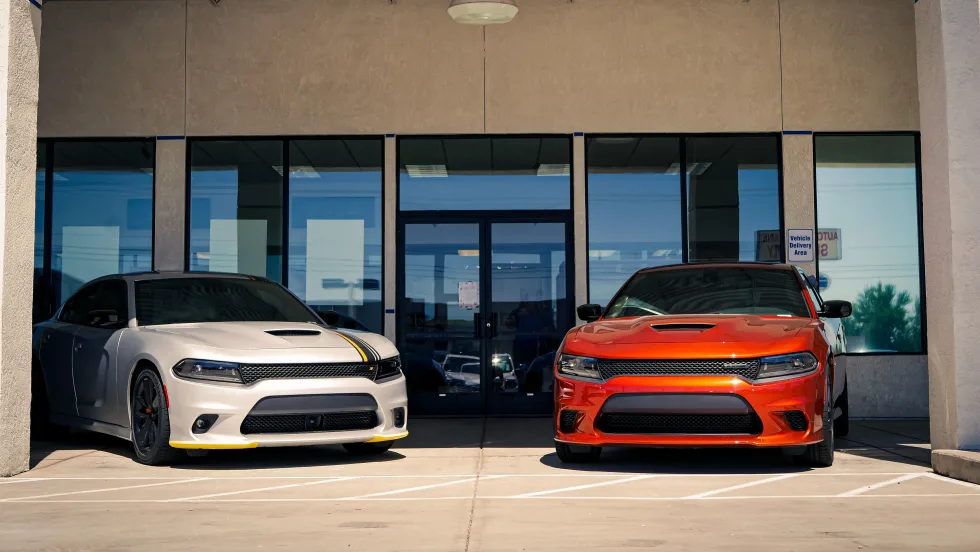
Auto Affordability Inches Up
The latest Cox Automotive and Moody’s Analytics index shows a slight increase in new-vehicle affordability despite high prices.
Read More →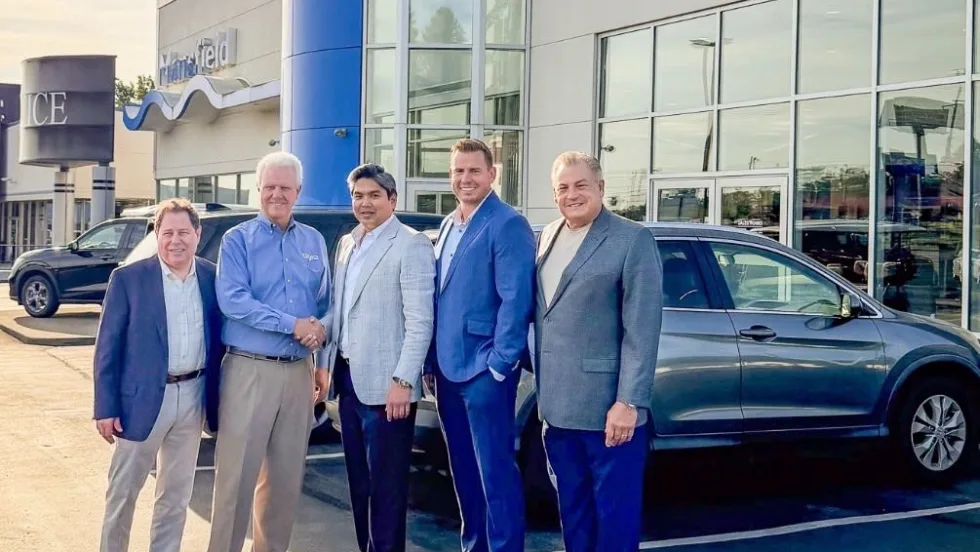
Ohio Auto Group Under New Ownership
After 79 years with the Schluter family, Mansfield Auto Group has been acquired by Missouri-based Clement Auto Group.
Read More →
RV Group Expands Carolina Footprint
Blue Compass RV Columbia Northeast is the 13th RV dealership owned by Blue Compass in the Carolinas.
Read More →
Agent Acumen
An Agent Summit panel of people who’ve been supporting auto dealers for years gave both timely and timeless advice for those starting out or mulling the prospect.
Read More →
Missed Maintenance Creates Opportunity
As families get back on the road and into daily school routines, service drives have an opportunity to capture customers who are behind on recommended vehicle maintenance.
Read More →