



Hyundai, Kia Thefts Continue After Fix
To date, only 7% of the approximately eight million affected cars have received the software upgrade.


Thieves exploit the vehicles’ lack of an antitheft chip to steal the autos.
Varun Kulkarni, Pixabay
Hyundai and Kia continue to grapple with vehicle thefts, despite a software fix introduced in February, according to a Wall Street Journal report.
To date, the problem remains unresolved, the paper said, causing embarrassment and financial strain for the South Korean automakers. Currently, only 7% of the approximately eight million affected cars in the U.S. have received the software upgrade, although the number of fixed vehicles is increasing rapidly, according to the article.
Kia assures customers the software upgrade is effective, despite an auto owner reporting a vehicle theft after the fix, the report noted.
Attorneys general in 17 states have pushed for a recall of effected vehicles, but the article reports Hyundai and Kia maintain the cars are not defective and comply with safety regulations. The automakers thus have decided not to issue a safety recall on affected vehicles, despite pressure from some states, which has complicated efforts to address the issue.
They instead sent service bulletins to dealers about the issue, but the decision not to issue a safety recall has limited awareness among owners, the Wall Street Journal reported. A shortage of parts for repairs, including steering-column covers, has further delayed fixing stolen vehicles, leaving owners waiting for weeks or even months.
Still, Hyundai and Kia assure owners and dealers the service bulletins contain the information for the fix. But the automakers also say they are exploring various methods to reach customers and to expedite the production of parts that are no longer in production.
The article reports that the surge in thefts began after the "Kia Boys" group posted instructional videos on social media platforms on how to exploit the vehicles’ lack of an antitheft technology. Thieves primarily target vehicles manufactured between 2011 and 2021, which lack the antitheft chip and rely on a standard key, according to the Wall Street Journal.
The online activity has increased thefts of the vehicles and led to negative publicity and reputational damage for the companies, despite recent market gains and critical acclaim. Multiple U.S. cities have filed lawsuits against the automakers, alleging their failure to prevent thefts has increased crime rates and burdened police budgets.
In response to a class-action lawsuit, the article reports the companies agreed this month to pay over $200 million to owners of stolen vehicles.
Originally posted on Auto Dealer Today
More Product & Technology
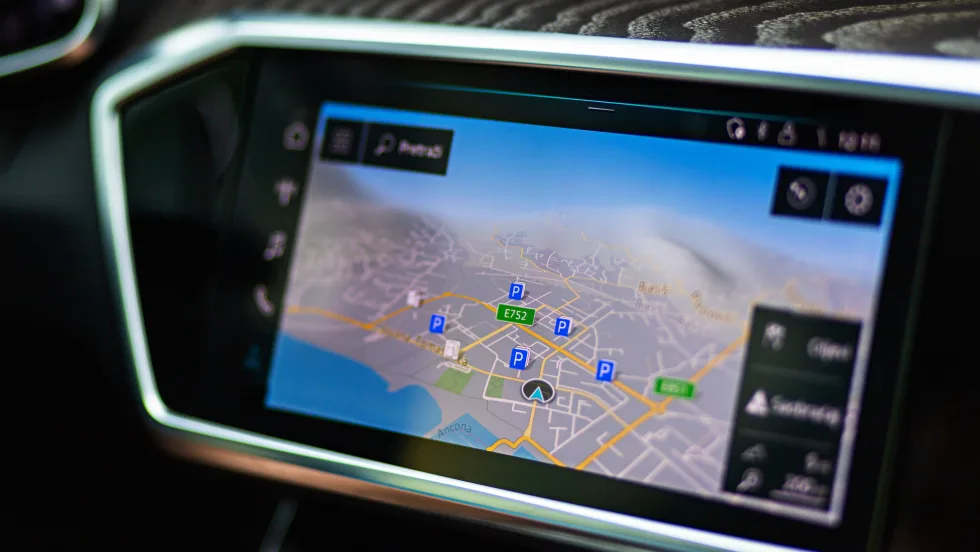
Computer Headaches on the Road
Consumers keep complaining about new cars’ infotainment tech, but are automakers listening? A recent survey shows regression except for mapping and speakers.
Read More →
Another Death Tied to Imported Air Bags
The Texas traffic fatality is the 11th federal regulators have connected to defective inflators imported from China. They urge that a certain population of used vehicles be inspected.
Read More →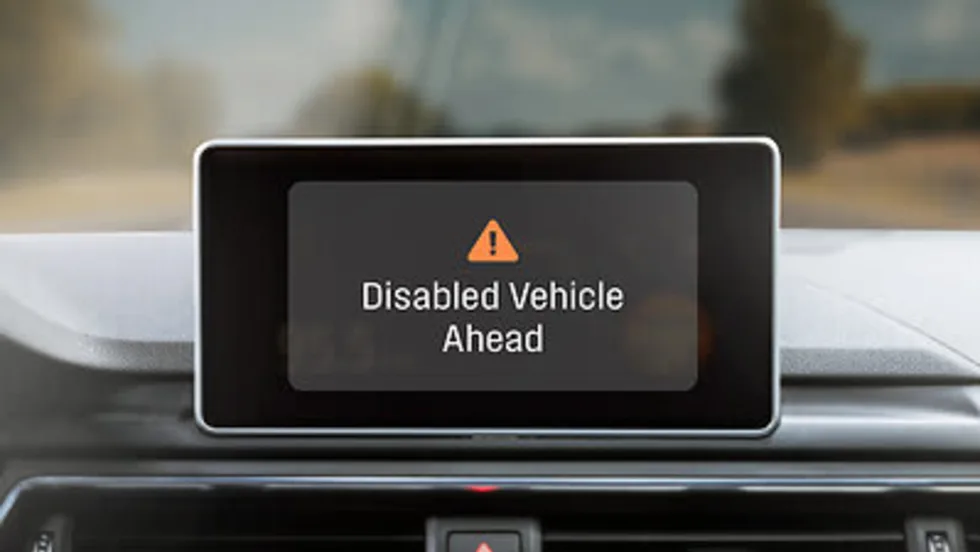
Roadside Warnings Debut
Mazda works with AAA and a technology company to alert passersby to stranded vehicles from its lineup, for both parties’ safety.
Read More →
AI As Trainer?
This month, Agent Entrepreneur Editor Hannah Mitchell shares an artificial-intelligence development that could upend traditional dealership training.
Read More →
A Lingering Auto Tech Divide
Automakers still struggle to hit consumers’ sweet spot, hanging onto the despised touchscreen and adding other complex systems while simple, effective details hit the mark.
Read More →
AI, China and the Next Wave of Auto Retail Innovation
F&I sits at the center of the changes expected to sweep the industry in just the new few years as new players change the game.
Read More →
That Bot Can Do a Lot
Artificial intelligence was all the buzz at the 2026 Agent Summit. A panel of tech specialists broke through the noise to give agents guidance on steering dealer clients.
Read More →
Cyber F&I
Your dealer clients could only benefit from showcasing products on their websites along with vehicle inventory. Modern consumers expect to be informed and are more likely to buy products when they are.
Read More →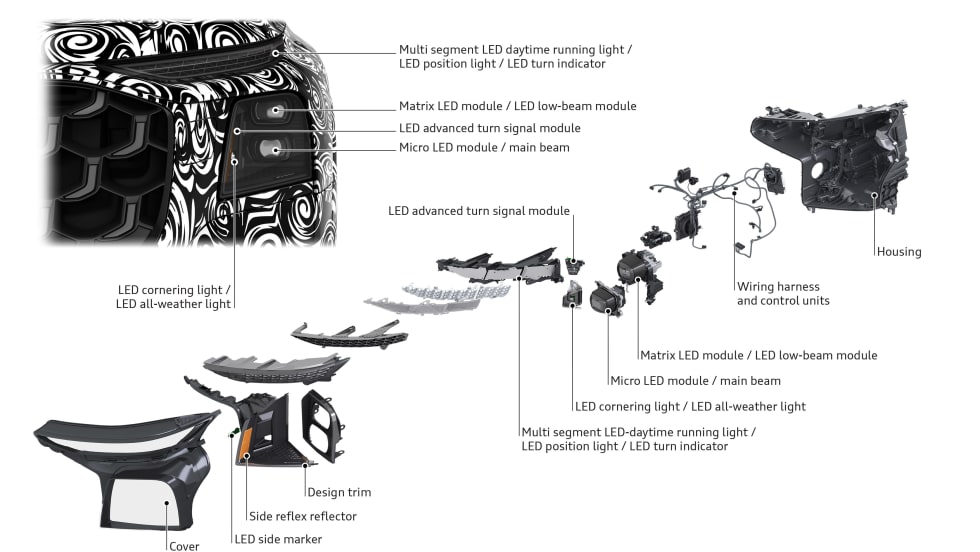
Road Glare to Drop a Notch?
Audi is preparing two SUV models for the American market with the automaker’s adaptive LED headlights. Its technology is designed to reduce brightness for other drivers, a growing complaint among U.S. motorists.
Read More →
AppOne Partners With RouteOne for E-Contracting Solution
By digitizing the entire contracting and funding process, the company says auto dealers can eliminate frustrating and disorganized manual processes.
Read More →