



Hyundai, Kia Settle Over Vehicle Thefts
Class-action payouts to total more than $200M among nine million owners.

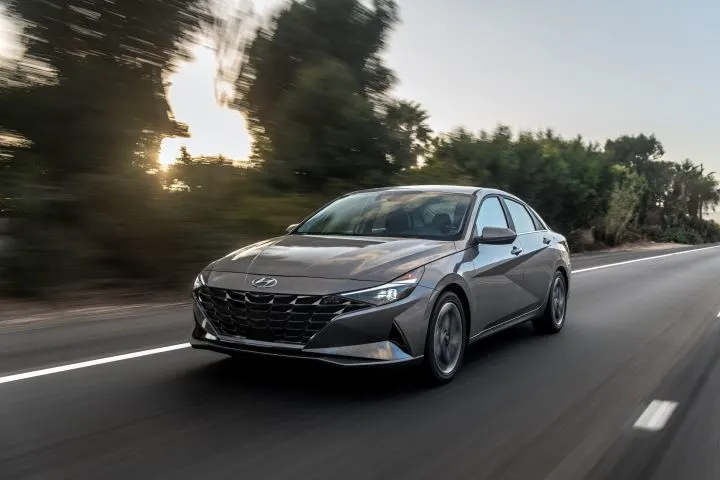
The companies have been under fire for months over a rash of thefts of 2011 to 2022 models that didn’t include antitheft technology as standard equipment.
IMAGE: Hyundai
Hyundai and Kia agreed to settle a class-action lawsuit over claims that lack of antitheft technology in many of its models make them prone to theft.
The South Korean automakers agreed to pay more than $200 million to settle the suit, which would cover some nine million vehicle owners between the two brands.
The companies have been under fire for months over a rash of thefts of 2011 to 2022 models that didn’t include antitheft technology as standard equipment.
Some thieves posted how-to videos on social media instructing others on how to steal the models.
The models in question lacked immobilizers, which prevent them from being started without transmission of a code from a “smart” key, said the law firm that represented the class in the suit, Hagens Berman. The firm said “design flaws” in the models also allow theft in less than 90 seconds.
Multiple major U.S. cities have sued the carmakers over the issue, 18 states sought a recall of the affected models, and about two dozen attorneys general urged the companies to take more action to stem the thefts.
The carmakers expedited a software upgrade for the models, worked with AAA to insure the vehicles, and reimbursed owners for steering wheel locks. But they continued to hear from the various parties that they weren’t doing enough.
The settlement covers payments of up to $6,125 for vehicle loss, and up to $3,375 for damage. Also included are funds to cover transportation costs not covered by insurance, such as taxis and car rentals.
LEARN MORE: States Seek Recall of Theft-Prone Hyundai, Kia Models
Originally posted on Auto Dealer Today
More Industry

Auto Affordability Inches Up
The latest Cox Automotive and Moody’s Analytics index shows a slight increase in new-vehicle affordability despite high prices.
Read More →
Ohio Auto Group Under New Ownership
After 79 years with the Schluter family, Mansfield Auto Group has been acquired by Missouri-based Clement Auto Group.
Read More →
RV Group Expands Carolina Footprint
Blue Compass RV Columbia Northeast is the 13th RV dealership owned by Blue Compass in the Carolinas.
Read More →
Agent Acumen
An Agent Summit panel of people who’ve been supporting auto dealers for years gave both timely and timeless advice for those starting out or mulling the prospect.
Read More →
Missed Maintenance Creates Opportunity
As families get back on the road and into daily school routines, service drives have an opportunity to capture customers who are behind on recommended vehicle maintenance.
Read More →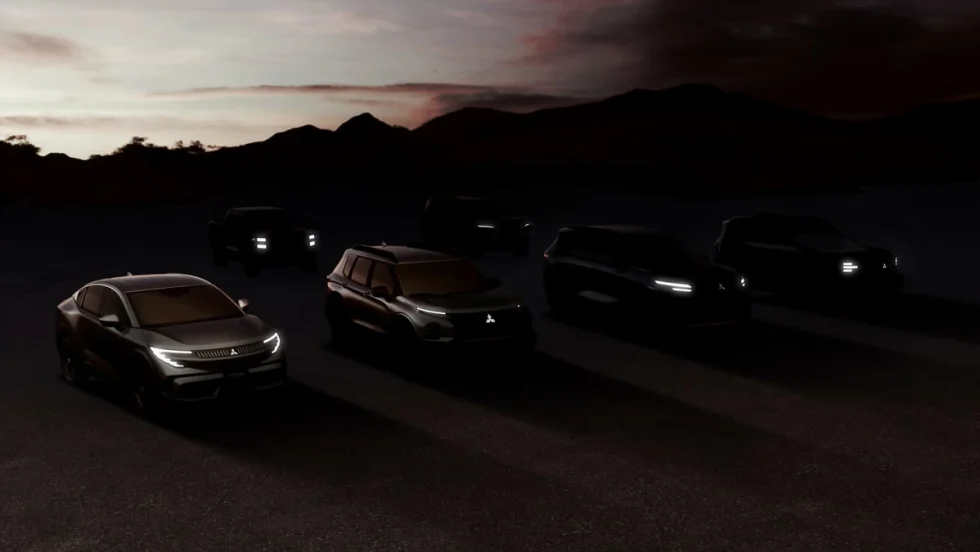
Mitsubishi Unveils U.S. Plan
The automaker announced a strategy that includes an expanded lineup and dealership presence, along with more ‘rugged’ and electric models.
Read More →
Selling to Grow
The question of whether you should sell your agency and if so, when, is up to you. But it’s a question worth asking to ensure you keep the business on the right path for yourself, employees and clients.
Read More →
Recalled Vehicles Hit 5-Year High
Though the number of events has fallen so far this year, impacted units are up significantly. Meanwhile, regulators consider consumer notification changes.
Read More →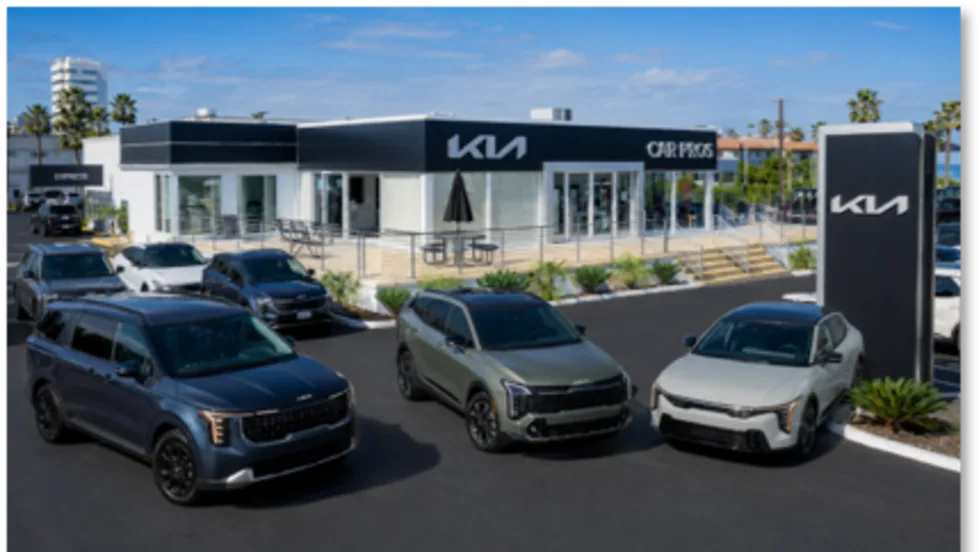
Auto Group Acquires Top-Performing Rooftop
Car Pros sold its Kia Huntington Beach location to Sutherlin Automotive Group, marking the buyer’s third location in Southern California.
Read More →
China as Pacesetter
Automotive leaders huddled on where North America stands in the global picture and how it can strengthen its position against the Asian juggernaut’s surging industry.
Read More →