



Honda Puts All Its Eggs in the EV Basket
The automaker declares 2040 as the date it will phase out gasoline-powered cars.

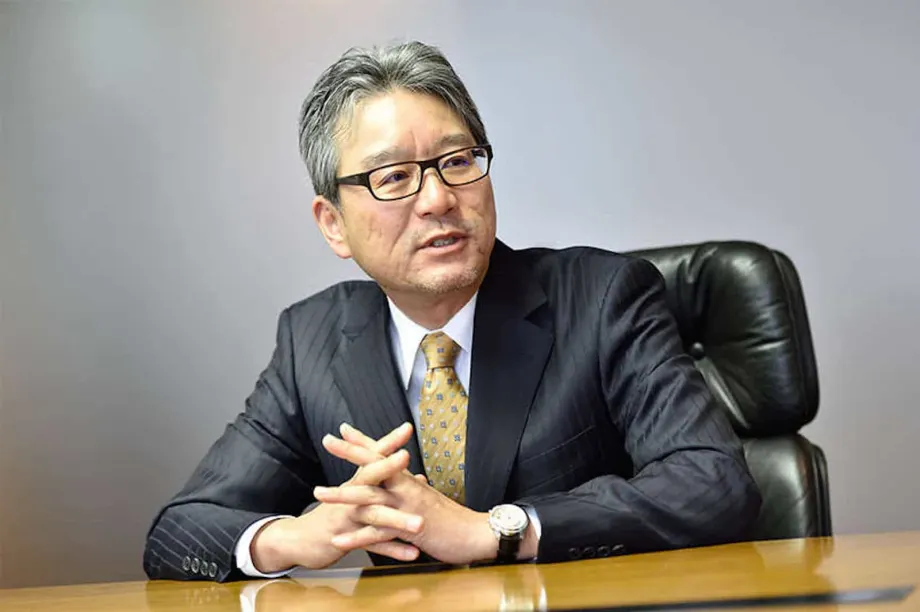
Honda's new CEO Toshihiro Mibe called Japan’s target for carbon neutrality “reasonable” and reported Honda will form alliances if needed to meet its EV goals.
Honda
Honda Motor became the first Japanese automaker to announce plans to phase out sales of gasoline-powered cars.
The company set 2040 as the date to phase out gasoline-powered cars, giving its new CEO Toshihiro Mibe an opportunity to put his stamp on the 84-year-old firm.
“It’s a very bold target,” admitted Yachiyo Tanaka, an analyst at automotive research company Fourin. “Honda has pledged to pull ahead of other automakers by introducing the latest technologies.”
The move aligns with Prime Minister Yoshihide Suga’s goal of achieving carbon neutrality by 2050. With electric vehicle (EV) penetration at just 1% in Japan, the country has some distance to go before meeting that target.
The company’s pledge stretches beyond Japan’s borders. BloombergNEF predicts global sales of EVs will soar to 14 million by 2025, up from 3.1 million in 2020. Honda receives around 56% of its revenue from North American sales.
Honda also announces plans to unveil two new electric motorcycles by 2024 as well as 10 new EV cars in China within five years. Motorcycles represent just 14% of Honda’s total revenue but their sales volumes are far greater. The automaker sells around 15 million motorcycles a year versus 4.5 million cars. BloombergNEF forecasts that number will grow to 78 million by 2040.
Honda formed a consortium in March with Yamaha Motor Co., KTM AG and Piaggio &C SpA to develop swappable battery standards for electric two-wheelers, tricycles and quadricycles.
Mibe called Japan’s target for carbon neutrality “reasonable” and reported Honda will form alliances if needed to meet its goals.
“We can’t postpone making an effort then expect to reach the target at the last minute,” Mibe said. He also admitted selling only zero-emission vehicles by 2040 would be an “uphill struggle.”
Critics report Honda’s goal is unrealistic. Ford Motor Co. doesn’t expect to be carbon neutral until 2050. And Toyota has put is emphasis on hybrids.
Takeshi Miyao, an analyst at Carnorama, suggested the move was a short-term tactic to grab stakeholder attention and shift it from Toyota. “Honda has no choice but to unveil a plan that’s almost opposite to appeal to investors,” he said.
Originally posted on Auto Dealer Today
More Industry

Penske Auto Group Deal a Record
The deal to take the dealership and transportation services company private sets a new pace for industry buy-sell transactions.
Read More →
War Toll a Damper on Used Auto Prices
Cox Automotive found wholesale depreciation to be elevated in September amid high fuel prices and this year's unusual hurricane season.
Read More →
Bridge the Maintenance Gap
With many drivers missing recommended maintenance, service departments offering transparency and efficiency have a better chance of reaching financially strained consumers.
Read More →
California Store Has New Owner
The longtime dealership in the northern part of the state is known for robust fleet sales and has served the state capital for 115 years.
Read More →
BMW Plant Pursues Cleaner Energy
BMW Group Plant Leipzig has utilized hydrogen to help power its production since 2013, but a new pipeline is planned to take it to another level.
Read More →
Auto Affordability Inches Up
The latest Cox Automotive and Moody’s Analytics index shows a slight increase in new-vehicle affordability despite high prices.
Read More →
Ohio Auto Group Under New Ownership
After 79 years with the Schluter family, Mansfield Auto Group has been acquired by Missouri-based Clement Auto Group.
Read More →
RV Group Expands Carolina Footprint
Blue Compass RV Columbia Northeast is the 13th RV dealership owned by Blue Compass in the Carolinas.
Read More →
Agent Acumen
An Agent Summit panel of people who’ve been supporting auto dealers for years gave both timely and timeless advice for those starting out or mulling the prospect.
Read More →
Missed Maintenance Creates Opportunity
As families get back on the road and into daily school routines, service drives have an opportunity to capture customers who are behind on recommended vehicle maintenance.
Read More →