



Harley Profit Surges, But Market Share Slips

Harley-Davidson Inc.'s net income more than tripled in the first quarter, but the Milwaukee-based maker of motorcycles reported a small drop in its U.S. market share.
Keith Wandell, chief executive officer, said in an interview that the company was hurt by "fierce price competition" in the U.S. from rivals discounting older models by as much as $4,000 per bike.
Mr. Wandell also said supplies of used motorcycles were at unusually high levels because many people put their machines up for sale after losing their jobs during the recession, reported The Wall Street Journal.
The availability of used bikes at bargain prices hurts sales of new models, but a Harley spokesman said prices of used motorcycles has started to rise as demand recovers.
Harley said its share of the U.S. market for new heavyweight motorcycles with engines of 651 cubic centimeters or greater slipped to 53.4 percent in the first quarter from 55.5 percent a year earlier. The company's rivals include Japan's Honda Motor Co. and Kawasaki Heavy Industries Inc. and Germany's BMW AG.
World-wide retail sales of Harley motorcycles were up 3.5 percent from a year earlier to 49,595 units, the first increase since the fourth quarter of 2006. Sales outside the U.S. accounted for 36 percent of the total. Sales were up 21 percent in Europe, where Harley gained market share, but fell 3.9 percent in the Asia-Pacific reason, partly because the Japanese earthquake hurt business.
Harley also said it faces possible shortages in the current quarter of electronic parts from Japan used in radios on its motorcycles. That could curb production modestly, the company said. It reduced the low end of its projection for total shipments this year to 215,000 from 221,000.
Harley's net income rose to $119.3 million, or 51 cents a share, from $33.3 million, or 14 cents a share, a year earlier. The improvement largely reflected stronger results from its financing arm, which provides loans to motorcycle buyers, and the elimination of losses produced a year ago by operations that have been sold or closed down.
Sales of motorcycles and related products grew 2.5 percent to $1.06 billion.
More Industry

Penske Auto Group Deal a Record
The deal to take the dealership and transportation services company private sets a new pace for industry buy-sell transactions.
Read More →
War Toll a Damper on Used Auto Prices
Cox Automotive found wholesale depreciation to be elevated in September amid high fuel prices and this year's unusual hurricane season.
Read More →
Bridge the Maintenance Gap
With many drivers missing recommended maintenance, service departments offering transparency and efficiency have a better chance of reaching financially strained consumers.
Read More →
California Store Has New Owner
The longtime dealership in the northern part of the state is known for robust fleet sales and has served the state capital for 115 years.
Read More →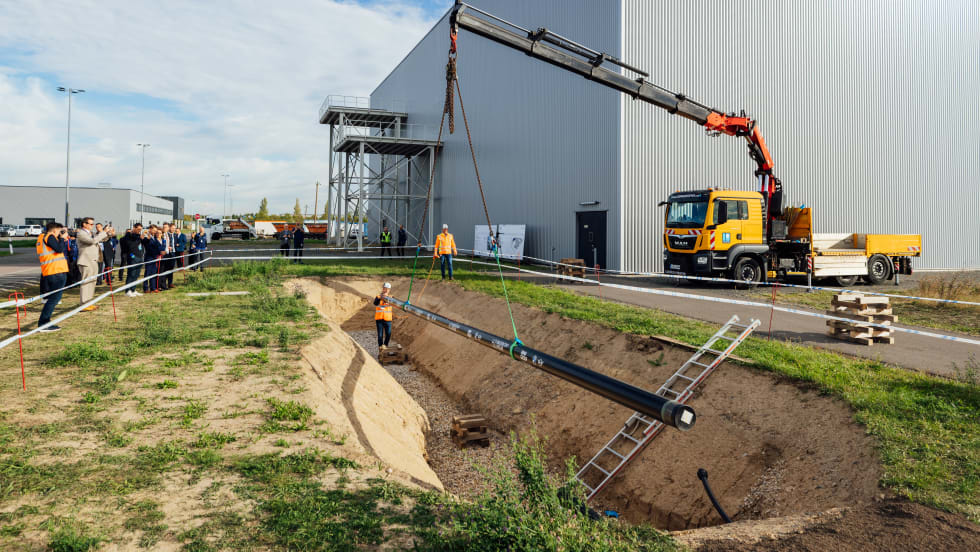
BMW Plant Pursues Cleaner Energy
BMW Group Plant Leipzig has utilized hydrogen to help power its production since 2013, but a new pipeline is planned to take it to another level.
Read More →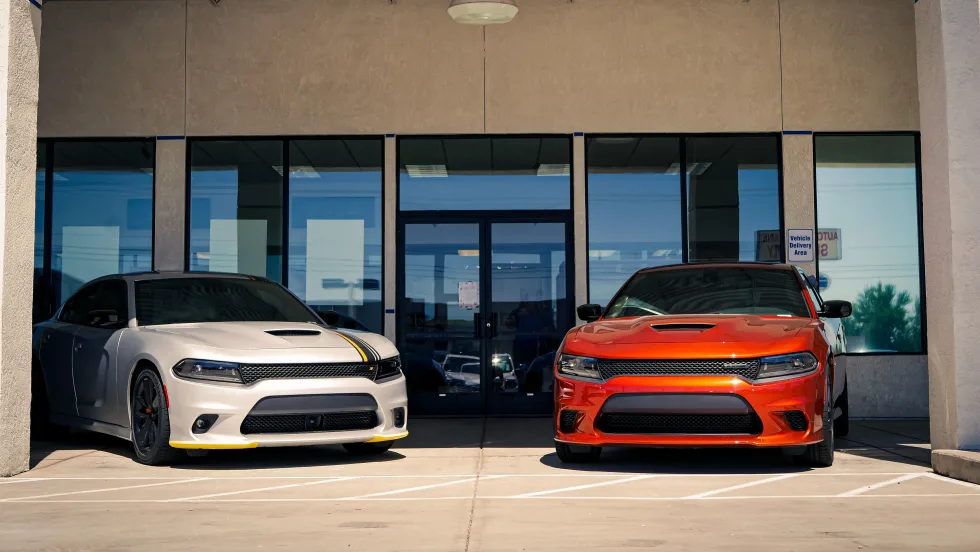
Auto Affordability Inches Up
The latest Cox Automotive and Moody’s Analytics index shows a slight increase in new-vehicle affordability despite high prices.
Read More →
Ohio Auto Group Under New Ownership
After 79 years with the Schluter family, Mansfield Auto Group has been acquired by Missouri-based Clement Auto Group.
Read More →
RV Group Expands Carolina Footprint
Blue Compass RV Columbia Northeast is the 13th RV dealership owned by Blue Compass in the Carolinas.
Read More →
Agent Acumen
An Agent Summit panel of people who’ve been supporting auto dealers for years gave both timely and timeless advice for those starting out or mulling the prospect.
Read More →
Missed Maintenance Creates Opportunity
As families get back on the road and into daily school routines, service drives have an opportunity to capture customers who are behind on recommended vehicle maintenance.
Read More →