



FTC Proposes Bans to F&I and Add Ons That 'Provide No Benefit'
The FTC hopes the proposed rule will save consumers time and money and ensure a level playing field for honest dealers.

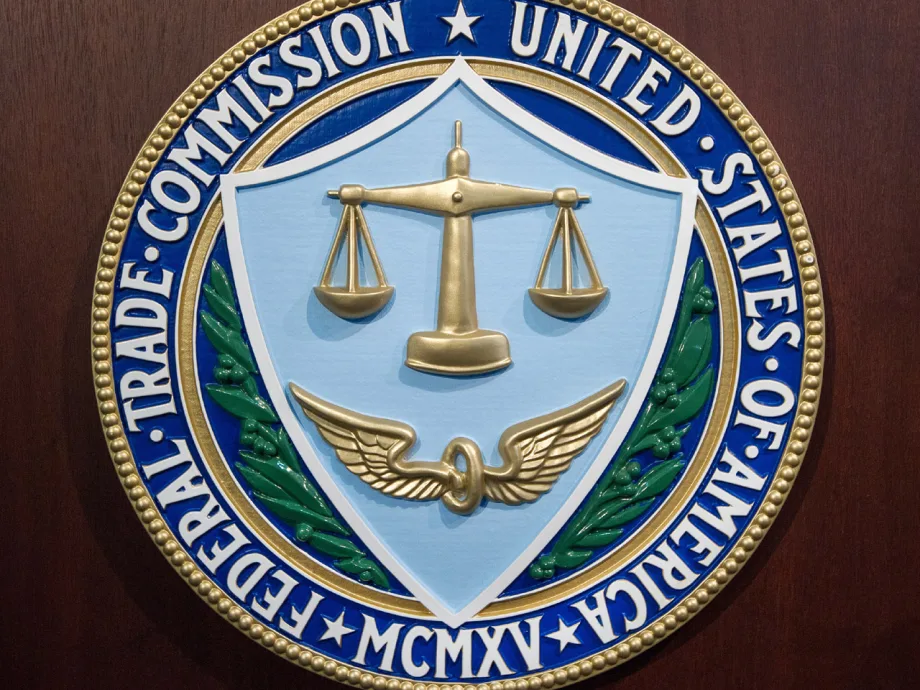
FTC
The Federal Trade Commission (FTC) has proposed barring finance & insurance coverage and vehicle add ons that it maintains “provide no benefit.”
The federal organization also proposes requiring expanded disclosure and consent on these optional products and listing their prices online.
The FTC also hopes to crack down on dealership advertising related to the cost of the vehicle itself.
The agency approved the June 27 notice of proposed regulations in a 4-1 vote, in which Commissioner Christine Wilson dissented. The FTC news released referred to add ons and F&I products as “junk fees” with four commissioners acknowledging in a separate statement that not all add ons provide no value.
The proposed new rule, if passed, will be the agency’s first regulation since the Dodd-Frank Act of 2010, which continued and expanded the FTC's authority over auto dealerships. The proposed rule also will allow the FTC to seek financial redress for customers, something prohibited earlier by the Supreme Courts in AMG Capital Management LLC v. FTC.
The FTC plans to open a 60-day window for public comment on the proposal soon.
"As auto prices surge, the commission is taking comprehensive action to prohibit junk fees, bait-and-switch advertising and other practices that hit consumers' pocketbooks," FTC Bureau of Consumer Protection Director Samuel Levine said in a statement June 27. "Our proposed rule would save consumers time and money and help ensure a level playing field for honest dealers."
The FTC's proposed regulations include:
Bans on products without benefit. Under the rule, dealerships cannot sell nitrogen-filled tire products and services that do not contain more nitrogen than what exists in the air, coverage duplicating a vehicle’s warranty, or guaranteed asset protection (GAP), which covers the difference between a loan balance and the vehicle's cash value in the event of a total loss, also would be forbidden "if the consumer's vehicle or neighborhood is excluded from coverage or the loan-to-value ratio would result in the consumer not benefiting financially from the product or service."
Posting a complete list of optional add-ons and their prices online. If the price of the F&I products vary, dealerships can post a range "the typical consumer would pay." The FTC defines add ons as anything sold by a dealership not provided by the automaker, including intangible F&I coverage.
Bans on misleading pricing advertising.
Written price disclosures. The seller must inform the customer of the vehicle’s price, with and without financing and have them decline in writing all optional additions and F&I coverages. The customer and a dealership manager must sign a document agreeing to a different fee when prices differ.
Dealers must show "Express, Informed Consent" on F&I products and other add-ons. The FTC reports this must be "an affirmative act communicating unambiguous assent" and go beyond "a signed or initialed document, by itself" or "prechecked boxes."
Originally posted on Auto Dealer Today
More F&I
To Include Products in the First Pencil or Not
In this month's Under the Hood, Editor Hannah Mitchell examines a question many auto dealers have been asking since Federal Trade Commission enforcement intensified this year.
Read More →
Get Ahead of the Change
A strong culture, among other things, will be a key differentiator for auto dealerships as the market speeds ahead to new heights, says industry veteran Joel Kansanback.
Read More →
F&I Without the Handoff
Get more familiar with what your dealer clients are really buying when they entrust you with finance-and-insurance.
Read More →
Affordability Shapes Auto Demand
Auto originations increased 1% in the first quarter, and electric vehicles are rebounding, according to TransUnion's latest credit report.
Read More →
The Evolution of Agency Development in Modern F&I
General agents have a different roadmap for success than their predecessors. It will pay for them to follow it in order to be true dealer partners.
Read More →
Four-Figure Loan Payments on the Rise
A LendingTree analysis found that location, age and credit score play a role in the rising amount of auto loan borrowers who make monthly payments of $1,000 or more.
Read More →
APCO Holdings Acquires Fidelity Dealer Services
The finance-and-insurance product provider says the addition strengthens EasyCare’s reach across key markets.
Read More →
Tariffs Could Raise Insurance Premiums
As U.S. import tariffs affect repair costs, consumers might find it more affordable to replace a damaged vehicle, according to recent Insurify tariff analysis.
Read More →
Smaller Loans, Longer Terms
The youngest generation of car buyers is more likely to finance less expensive vehicles, more than half of generation Z consumers borrowing less than $25,000.
Read More →
Ensure Your Clients Are Sure About Reinsurance
Industry experts recently broke down the complicated profit center at Agent Summit. Learn what’s relevant and what’s new to share with your dealers.
Read More →