



Former Auto Czar Says Chrysler, GM Far Ahead of Expectations

WASHINGTON — The Obama administration's former auto czar says General Motors Co. and Chrysler Group LLC are far ahead of what he expected when the government restructured them in 2009.
Steve Rattner served as the administration's top auto official for six months in 2009. A paperback version of his 2010 book, "Overhaul: An Insider's Account of the Obama Administration's Emergency Rescue of the Auto Industry," was released earlier this month with a new epilogue, reported The Detroit News.
"It's a story with a happy ending," Rattner said in a recent interview over lunch, noting he sat down with GM and Chrysler's new CEOs this summer as he updated his account. "The progress that both companies have made since then is really quite remarkable."
He especially praised the turnaround engineered at Chrysler by CEO Sergio Marchionne, who also runs Fiat SpA.
Last week, Chrysler posted a quarterly profit of $212 million — compared with a loss of $84 million in the third quarter last year — as its revenue jumped 19 percent to $13.1 billion.
"Chrysler is amazing. I would have never in a million years bet that Sergio could do what he's done," Rattner said, praising the freshening of Chrysler's product line and holding the line on cash flow and bottom line. "They had a rough start, because we didn't leave them with a lot."Marchionne told Rattner that Chrysler was focused on allocating scarce capital. "Everything is vetted, flicked, scrubbed. There's continuous analysis of the alternatives and the cheapest way to get an answer," Marchionne said, according to the new epilogue.
The Treasury extended Chrysler a $12.5 billion bailout, and recovered $11.3 billion. By contrast, it gave GM a $49.5 billion bailout, and has recovered $23.2 billion. At current trading prices, the Treasury would lose more than $13 billion on its GM bailout.
Rattner says in the new material that after GM's successful IPO in November 2010, he got emotional: "The cameras showed the first trade occurring on the floor of the New York Stock Exchange. I teared up and almost began crying."
Obama's advisers had been divided in March 2009 whether to save Chrysler, but Obama was persuaded by Rattner and others to do so — if Chrysler could tie up with Fiat. "He made all the right decisions, stood behind us and I think he deserves credit for it, and that's what I wrote in the book," he said. "On autos, (the White House) worked better than I ever would have imagined."
Rattner said the auto task force told Larry Summers, who was then the head of the National Economic Council, that the government could expect to hold its GM stock "for five to eight years," based on a study of other government interventions in the auto sector, especially in Europe.
Rattner said GM's stock could still jump, noting he had mixed feelings about the government's sale of nearly half of its stake at $33 a share. "The movie's not over yet. Two years from now, the stock could be at $60 and everyone will say why did we sell any?"
He said he doesn't believe the government's 27 percent stake is costing GM sales, and he thinks the government should wait until the stock price rises.
On Monday, GM's stock fell 60 cents to $25.84, down 2.3 percent.
In the epilogue, Rattner predicts that including the government $17.2 billion bailout of Detroit-based lender Ally Financial Inc., that the "current potential recovery for taxpayers" is all but $10 billion of its auto industry bailout.
"If in the end taxpayers spend $10 billion on the auto rescues, it seems a small price to pay for averting a major economic calamity," Rattner wrote.
In retrospect, Rattner wishes that the government hadn't given 10 percent of the equity in new GM that exited bankruptcy to the old GM bondholders. He says those claims should have been "worthless."
He also said that the auto task force perhaps should have modified GM and Chrysler's "overly generous pension plans."
"In my postmortems with auto industry leaders, I was gratified to hear that they felt we had gotten nearly all of it right. Maybe we should have killed GMC, as some had suggested during the restructuring," Rattner said.
Rattner is managing New York Mayor Michael Bloomberg's fortune and the funds for his charitable foundation. He also writes a lot of op-eds, regularly appears on TV and makes speeches.
More Industry

Penske Auto Group Deal a Record
The deal to take the dealership and transportation services company private sets a new pace for industry buy-sell transactions.
Read More →
War Toll a Damper on Used Auto Prices
Cox Automotive found wholesale depreciation to be elevated in September amid high fuel prices and this year's unusual hurricane season.
Read More →
Bridge the Maintenance Gap
With many drivers missing recommended maintenance, service departments offering transparency and efficiency have a better chance of reaching financially strained consumers.
Read More →
California Store Has New Owner
The longtime dealership in the northern part of the state is known for robust fleet sales and has served the state capital for 115 years.
Read More →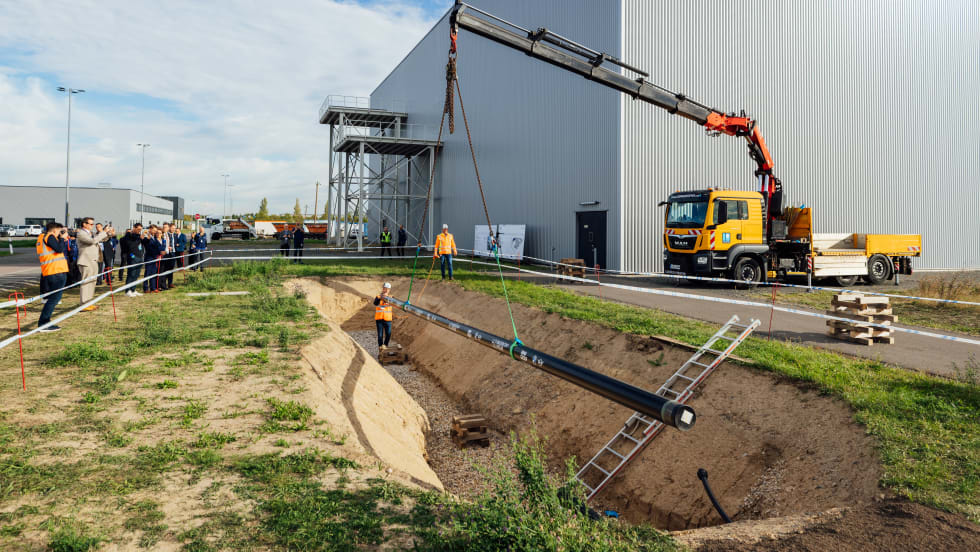
BMW Plant Pursues Cleaner Energy
BMW Group Plant Leipzig has utilized hydrogen to help power its production since 2013, but a new pipeline is planned to take it to another level.
Read More →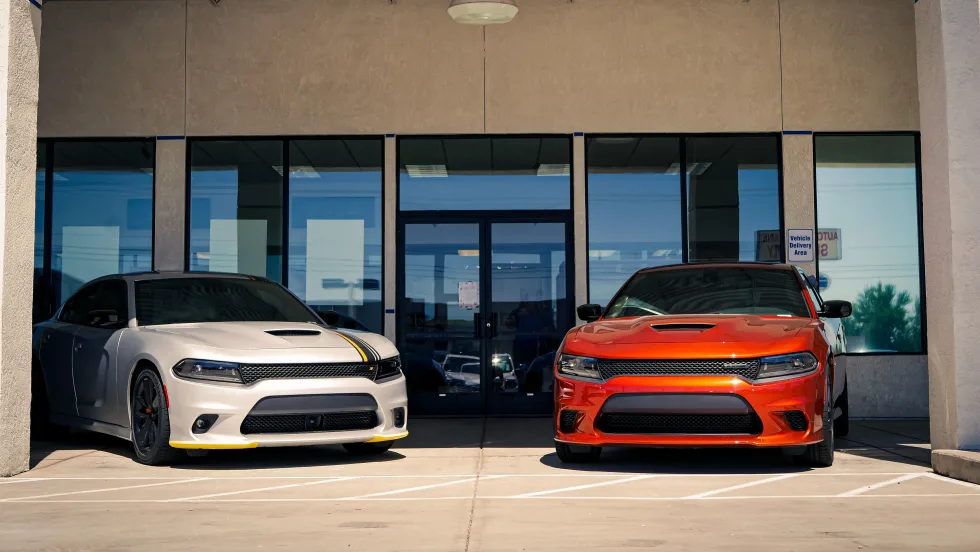
Auto Affordability Inches Up
The latest Cox Automotive and Moody’s Analytics index shows a slight increase in new-vehicle affordability despite high prices.
Read More →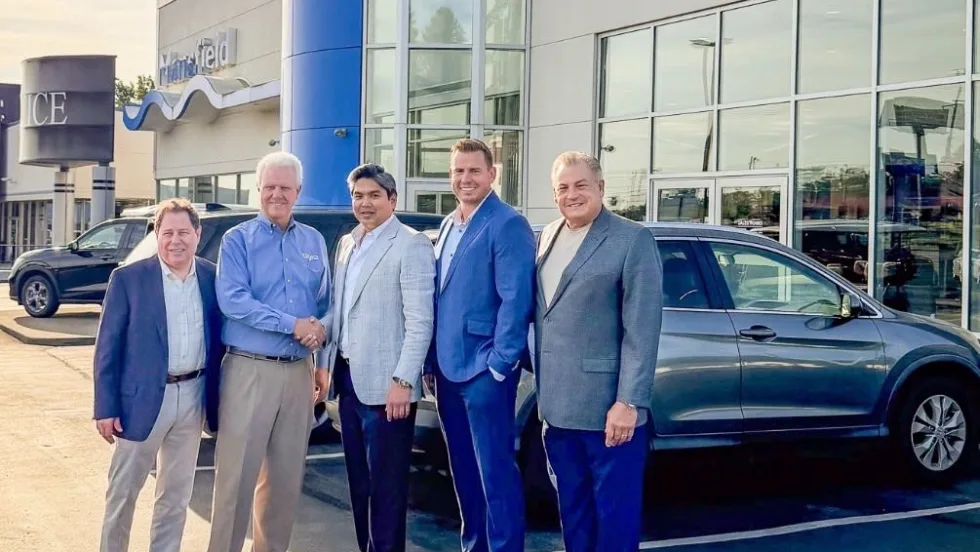
Ohio Auto Group Under New Ownership
After 79 years with the Schluter family, Mansfield Auto Group has been acquired by Missouri-based Clement Auto Group.
Read More →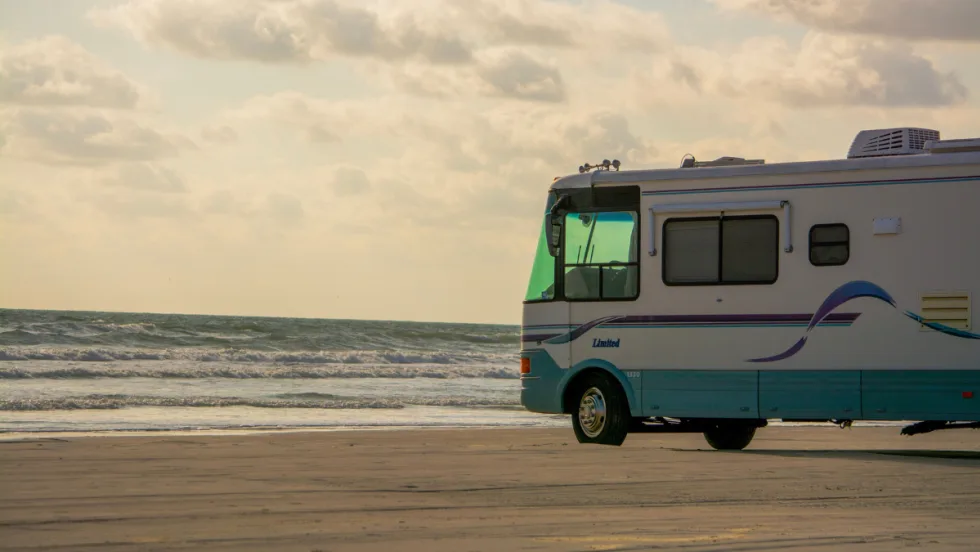
RV Group Expands Carolina Footprint
Blue Compass RV Columbia Northeast is the 13th RV dealership owned by Blue Compass in the Carolinas.
Read More →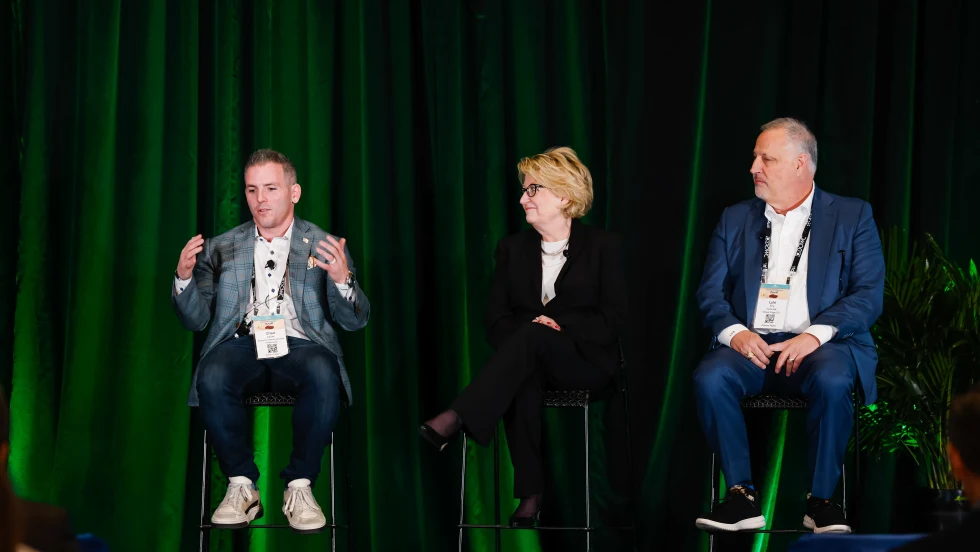
Agent Acumen
An Agent Summit panel of people who’ve been supporting auto dealers for years gave both timely and timeless advice for those starting out or mulling the prospect.
Read More →
Missed Maintenance Creates Opportunity
As families get back on the road and into daily school routines, service drives have an opportunity to capture customers who are behind on recommended vehicle maintenance.
Read More →