



Foresight Leads to Ford's Comeback

The rush to confer quasi-sainthood on Ford Motor Co. CEO Alan Mulally is understandable, given the pile of profits the automaker is amassing — standing at $6.4 billion so far this year, ahead of schedule.
But he had help, lots of it, to put Ford on the verge of becoming the world's most profitable automaker, starting with a board of directors led by an executive chairman whose name is stamped on every Blue Oval worldwide. That's huge, arguably even more than the backing of the Ford family itself, reported The Detroit News.
What could the Ford family diaspora do in the dark days of 2006 or the even darker days of '08 and '09 — peddle their stakes to would-be buyers at the lowest valuations in their lifetimes and risk losing control of the company? Don't think so.
Corporate directors have choices, though: They can fret over their image and resign, as former Treasury Secretary Robert Rubin did a month before Mulally arrived in 2006 and HSBC's John Bond and Nokia's Jorma Ollila did in the fall of 2008. Or they can stand up, do their jobs and force a change in direction by hiring someone who will lead the change, and then back him up.
The directors, including Executive Chairman Bill Ford Jr. and his cousin, Edsel Ford II, realized as far back as 2006 (and probably sooner) that the Dearborn automaker's business was broken, that bankruptcy would destroy the company and the family's century-long hold on it, that collapse was probable.
They understood that the revolving executive doors atop the Glass House left them with few viable inside candidates to replace Bill Ford, that the company needed a CEO hardened by tough industrial restructuring, that the new guy would need billions of dollars to finance a turnaround certain to include cutting jobs, jettisoning brands and shaking the company to its core.
They faced what their rivals at then-General Motors Corp. mostly avoided until it was way past too late. Which is why Ford is on track to be one of the greatest industrial turnarounds this country has ever seen and GM is doing it the harder way.
GM gutted through bankruptcy and emerged as a ward of the federal government. It is preparing to launch an initial public offering, led by its fourth CEO in less than two years. Why? Because GM's former directors refused to make the tough choices, to find the right leaders, that Ford did.
Oversimplified? Not really. Way back in '07, when GM was agreeing to fund hefty increases in pension payments for the United Auto Workers, Mulally would stand at his window in the northeast corner of Ford headquarters, point in the direction of the Rouge complex and say something like: In 10 years, this could all be gone.
He'd tell Ford marketers and engineers that the company had been going out of business for 25 years. He'd argue unspeakable heresy — that Ford didn't need to be in the global luxury car business, that it didn't need to own a third of Mazda Motor Corp., that the Mercury brand had outlived its usefulness.
In each case, he'd be right. In each case, the Ford logic he probed didn't make business sense. In each case, the outsider gone inside voiced conclusions echoing those from critical employees, outside analysts and media hacks who were routinely dismissed by company officials.
And in each case, the directors backed the new guy because they knew he was right — Ford had to change or it would die. They approved his once-unthinkable moves, funded product plans and backed his management team assembled mostly from longtime Ford hands.
All of which put Ford more squarely on a road to a sustainable and profitable recovery, the kind of result that many inside and outside the Detroit automotive bubble could be excused for thinking they would never see.
But they are. Ford this week said its net income through the first nine months of this year totaled $6.37 billion, most of it coming from its crucial North American operations. U.S. market share is up for the second year in a row. And a pillar of the American auto industry can legitimately claim that reports of its death were premature.
Gives new meaning to the word comeback — and the difference enlightened leadership can make.
More Industry
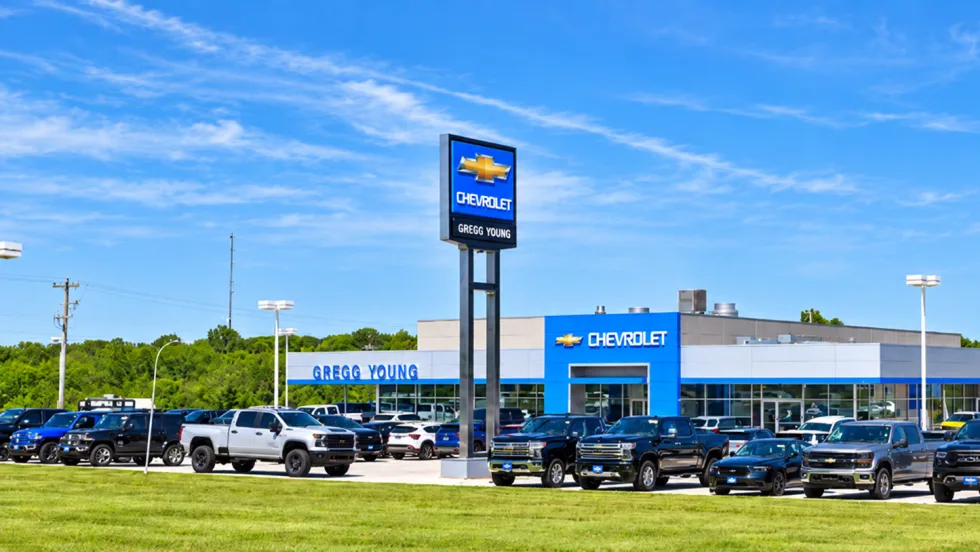
Nebraska Rooftop Changes Hands
The Gregg Young Automotive Group has sold its second dealership to Janssen Auto Group, both in Plattsmouth, Neb.
Read More →
Penske Auto Group Deal a Record
The deal to take the dealership and transportation services company private sets a new pace for industry buy-sell transactions.
Read More →
War Toll a Damper on Used Auto Prices
Cox Automotive found wholesale depreciation to be elevated in September amid high fuel prices and this year's unusual hurricane season.
Read More →
Bridge the Maintenance Gap
With many drivers missing recommended maintenance, service departments offering transparency and efficiency have a better chance of reaching financially strained consumers.
Read More →
California Store Has New Owner
The longtime dealership in the northern part of the state is known for robust fleet sales and has served the state capital for 115 years.
Read More →
BMW Plant Pursues Cleaner Energy
BMW Group Plant Leipzig has utilized hydrogen to help power its production since 2013, but a new pipeline is planned to take it to another level.
Read More →
Auto Affordability Inches Up
The latest Cox Automotive and Moody’s Analytics index shows a slight increase in new-vehicle affordability despite high prices.
Read More →
Ohio Auto Group Under New Ownership
After 79 years with the Schluter family, Mansfield Auto Group has been acquired by Missouri-based Clement Auto Group.
Read More →
RV Group Expands Carolina Footprint
Blue Compass RV Columbia Northeast is the 13th RV dealership owned by Blue Compass in the Carolinas.
Read More →
Agent Acumen
An Agent Summit panel of people who’ve been supporting auto dealers for years gave both timely and timeless advice for those starting out or mulling the prospect.
Read More →