



Financial Impacts Top EV Consumer Concerns
Almost half of respondents to a recent S&P Global survey say prices are excessively high.

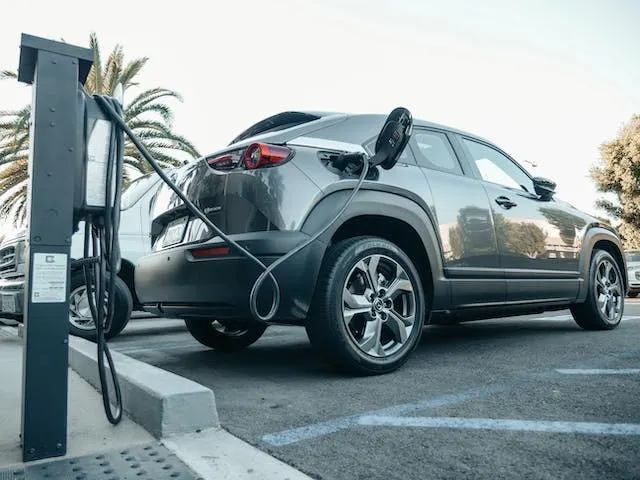
Among consumers intending to buy EVs, 25% plan to use public charging stations.
IMAGE: Pexels
A new S&P Global Mobility survey found the top worry among potential electric-vehicle buyers is the financial impact of such a purchase.
In fact, among the 7,500 respondents to the May survey worldwide, 48% expressed the belief that EV prices are excessively high.
"Pricing is still very much the biggest barrier to electric vehicles," Yanina Mills, senior technical research analyst at S&P Global Mobility, said in a press release.
Consumer sentiment for purchasing an EV has also dropped in the past two years, emblematic of an immature market segment, Mills said. Only 67% of survey respondents said they were open to buying an EV, a 19% drop from 2021.
Also, fewer than half said they believe EV technology is ready for mass-market adoption.
Just 42% of respondents reported they were considering an EV for their next vehicle purchase, and 62% said they were waiting for the technology to improve before purchasing one,.
Among the reasons against buying an EV, charging concerns ranked second only to vehicle cost.
Charging time concerned 46% of respondents, while 44% were concerned about charging station availability—a reversal from the 2022 survey, when more respondents were concerned about the latter. However, most respondents said they are willing to wait 30 minutes to an hour to recharge.
A common complaint about electric vehicles is non-homeowners' challenge in charging them. The survey results suggest that concern may be overstated. Just 42% of owners typically charge their EV at home, and only 51% of current and repeat EV owners reported having a charger installed at home, according to the survey.
Vehicle owners reported charging their vehicles in a range of locations, including streets, highways and at the workplace. Among prospective EV buyers, 25% plan to use public charging stations, according to the survey.
Roughly 31% of participants stated they wouldn't pay extra for a faster home charge, while 40% were willing to pay a 10% increase for a quicker Level 2 home charger. While consumers seek fast charging on the road, they're content to wait overnight for a complete charge at home, the survey concluded.
When it came to range, 19% of respondents said they would accept 251 to 300 miles between charges, 21% were comfortable with a range from 201 to 250 miles, and 29% preferred a minimum range of above 300 miles.
Current EV range capabilities match the consumer expectations. Almost every EV on the market has a U.S. Environmental Protection Agency range of over 200 miles, S&P said.
Originally posted on Auto Dealer Today
More Product & Technology
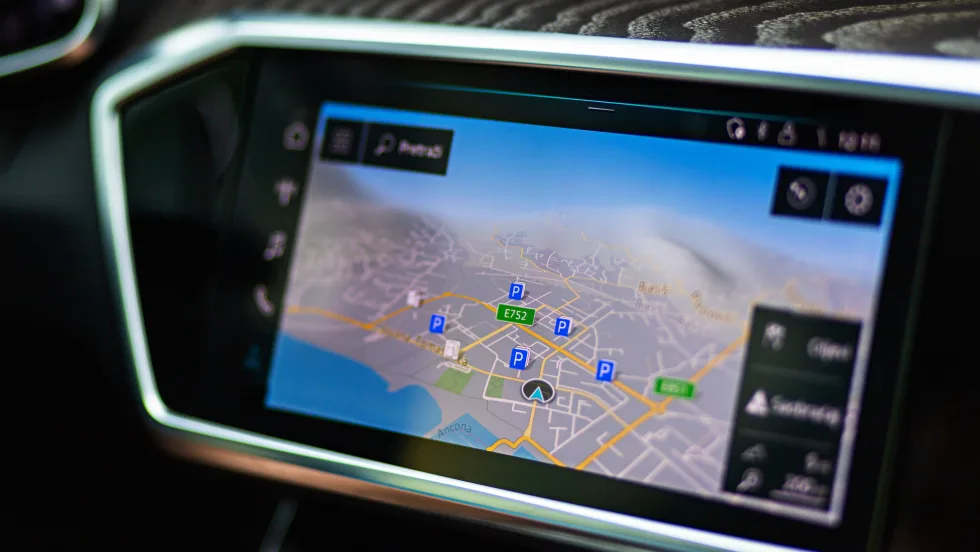
Computer Headaches on the Road
Consumers keep complaining about new cars’ infotainment tech, but are automakers listening? A recent survey shows regression except for mapping and speakers.
Read More →
Another Death Tied to Imported Air Bags
The Texas traffic fatality is the 11th federal regulators have connected to defective inflators imported from China. They urge that a certain population of used vehicles be inspected.
Read More →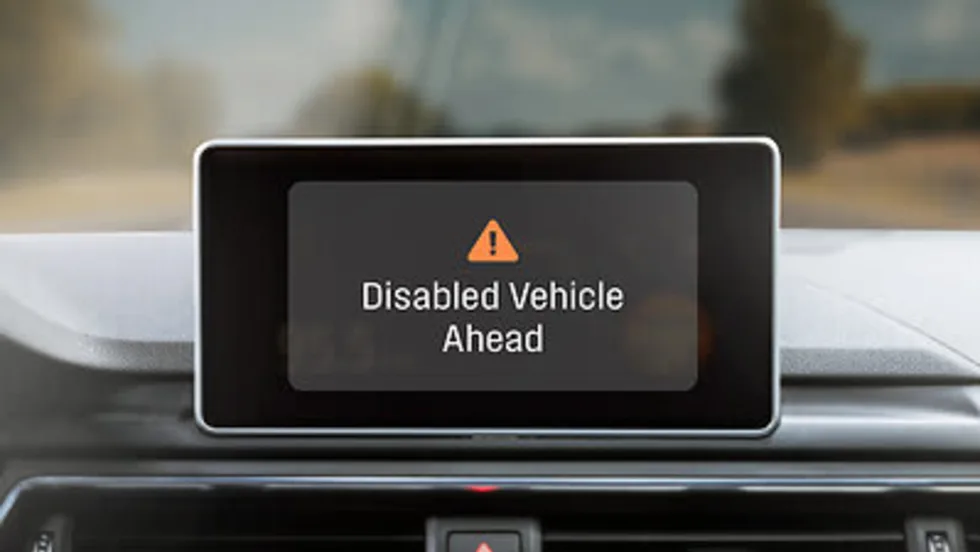
Roadside Warnings Debut
Mazda works with AAA and a technology company to alert passersby to stranded vehicles from its lineup, for both parties’ safety.
Read More →
AI As Trainer?
This month, Agent Entrepreneur Editor Hannah Mitchell shares an artificial-intelligence development that could upend traditional dealership training.
Read More →
A Lingering Auto Tech Divide
Automakers still struggle to hit consumers’ sweet spot, hanging onto the despised touchscreen and adding other complex systems while simple, effective details hit the mark.
Read More →
AI, China and the Next Wave of Auto Retail Innovation
F&I sits at the center of the changes expected to sweep the industry in just the new few years as new players change the game.
Read More →
That Bot Can Do a Lot
Artificial intelligence was all the buzz at the 2026 Agent Summit. A panel of tech specialists broke through the noise to give agents guidance on steering dealer clients.
Read More →
Cyber F&I
Your dealer clients could only benefit from showcasing products on their websites along with vehicle inventory. Modern consumers expect to be informed and are more likely to buy products when they are.
Read More →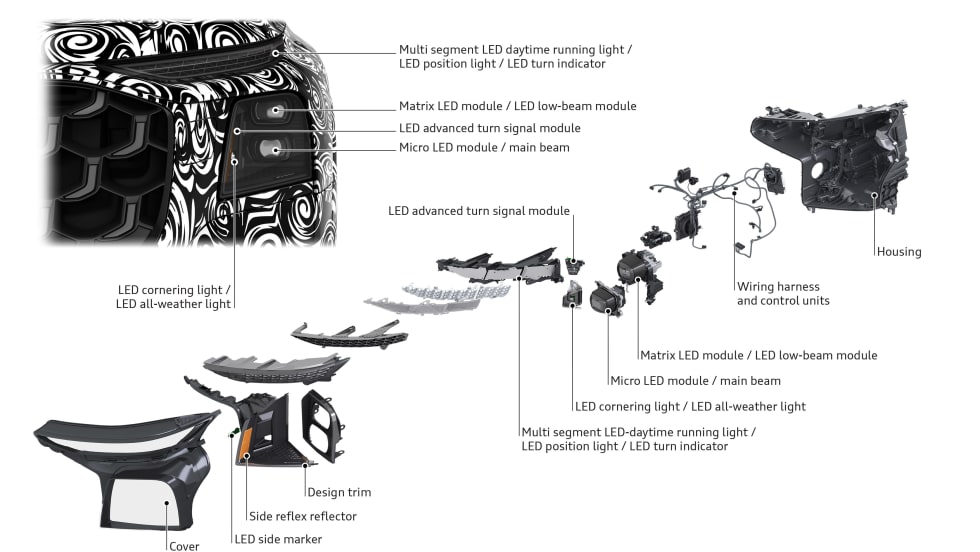
Road Glare to Drop a Notch?
Audi is preparing two SUV models for the American market with the automaker’s adaptive LED headlights. Its technology is designed to reduce brightness for other drivers, a growing complaint among U.S. motorists.
Read More →
AppOne Partners With RouteOne for E-Contracting Solution
By digitizing the entire contracting and funding process, the company says auto dealers can eliminate frustrating and disorganized manual processes.
Read More →