



F&I Express Tackles Product Cancelations

GRAPEVINE, Texas — The F&I product cancelation process currently lacks standardization, automation, transparency and efficiency, and these challenges have a negative impact on the day-to-day operations of a product provider or lender and affect their ability to remain compliant with state and federal regulators.
So says the “2017 Guide to Operational Efficiencies & Regulatory Compliance in F&I Product Cancellations,” a new white paper published by F&I Express. The paper proposes to solve the problems created by a broken, inefficient system for processing F&I product cancelations and the regulatory scrutiny it has attracted.
In the white paper, F&I Express reveals a proprietary digital solution, currently being used by a number of finance sources and F&I providers. The solution, Express Recoveries, was designed to completely streamline the cancelation process.
“Lenders use the platform to process credit product (GAP/credit life) cancelations on payoffs. In certain states, they are obligated by the state to issue the refunds directly to the consumer within a stated timeframe and be able to provide documentation as proof,” said Brian Reed, president and CEO of F&I Express. “Sending a letter to the dealer is not considered proof that the consumer gets their refund. Our platform provides a greater degree of validation and audit trail for the lenders to mitigate some of the compliance risk.”
The solution was designed to allow dealers to file cancelation requests directly with product providers, obtain exact refund amounts, and remediate accounts previously terminated without refunds issued. Among other benefits, Express Recoveries will reduce or eliminate paperwork, eliminate back-and-forth phone calls between finance sources and product providers, and uphold credible business relations between the two parties, according to the company.
“At the end of the day, we are all consumers,” said Rich Apicella, executive vice president of F&I Express. “Processing cancelations in a timely manner and issuing consumers the refunds they deserve, in a timely manner, is the right thing to do.”
To download a free copy of the white paper, click here.
More Industry

RV Group Expands Carolina Footprint
Blue Compass RV Columbia Northeast is the 13th RV dealership owned by Blue Compass in the Carolinas.
Read More →
Agent Acumen
An Agent Summit panel of people who’ve been supporting auto dealers for years gave both timely and timeless advice for those starting out or mulling the prospect.
Read More →
Missed Maintenance Creates Opportunity
As families get back on the road and into daily school routines, service drives have an opportunity to capture customers who are behind on recommended vehicle maintenance.
Read More →
Mitsubishi Unveils U.S. Plan
The automaker announced a strategy that includes an expanded lineup and dealership presence, along with more ‘rugged’ and electric models.
Read More →
Selling to Grow
The question of whether you should sell your agency and if so, when, is up to you. But it’s a question worth asking to ensure you keep the business on the right path for yourself, employees and clients.
Read More →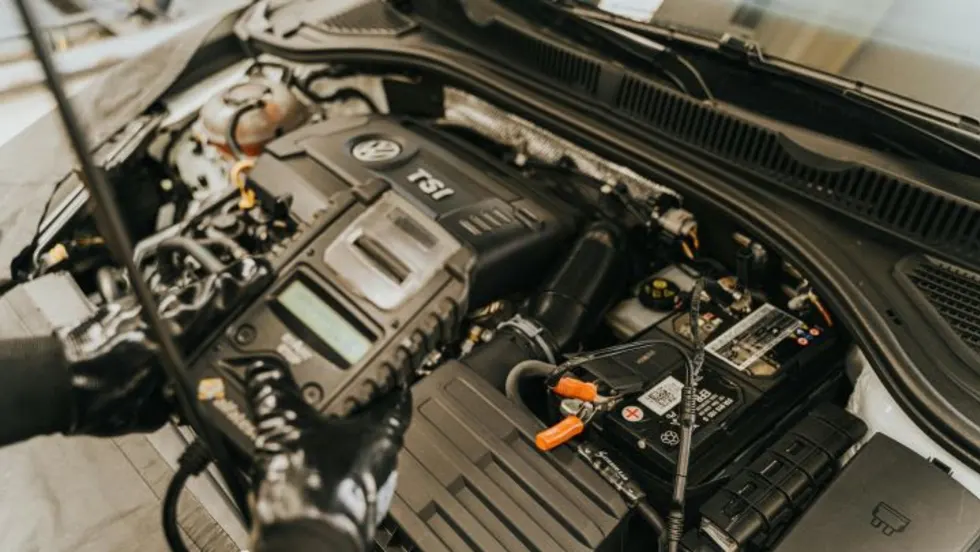
Recalled Vehicles Hit 5-Year High
Though the number of events has fallen so far this year, impacted units are up significantly. Meanwhile, regulators consider consumer notification changes.
Read More →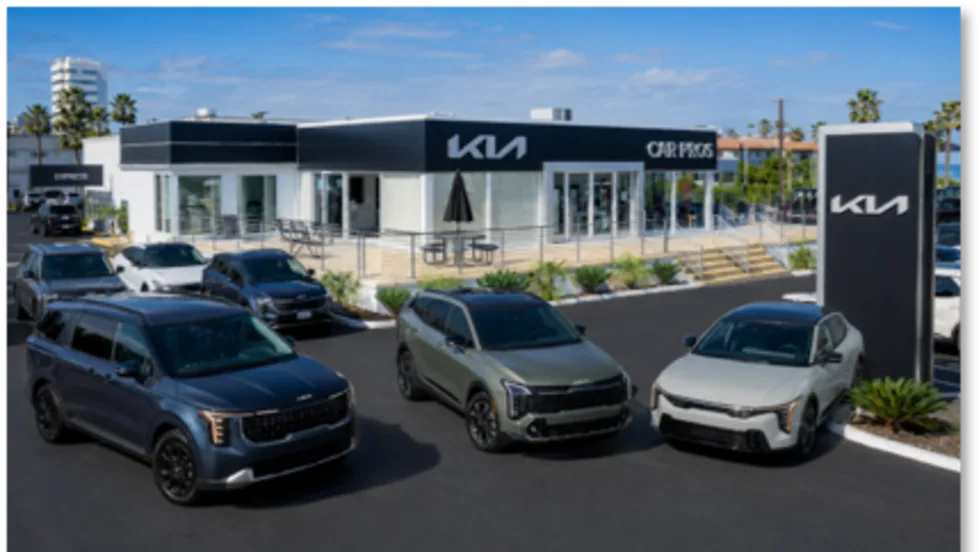
Auto Group Acquires Top-Performing Rooftop
Car Pros sold its Kia Huntington Beach location to Sutherlin Automotive Group, marking the buyer’s third location in Southern California.
Read More →
China as Pacesetter
Automotive leaders huddled on where North America stands in the global picture and how it can strengthen its position against the Asian juggernaut’s surging industry.
Read More →
BMW Concept Car Makes Fuel to Burn
The prototype developed in concert with a South Carolina university engineering team generates more solar energy than it uses in a typical daily commute.
Read More →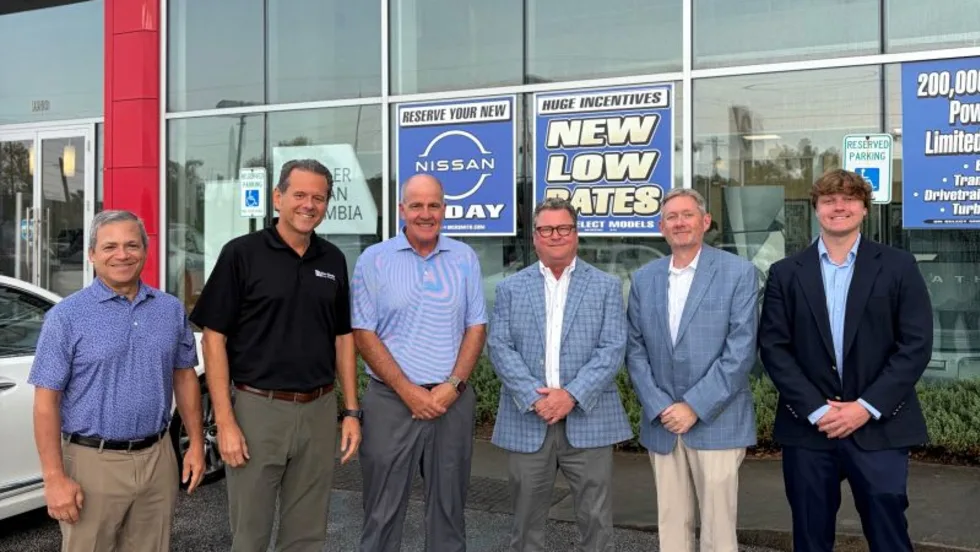
South Carolina Auto Group Downsizes
Florida-based group Holler-Classic has acquired four rooftops, its first in South Carolina, from Dick Smith Automotive Group.
Read More →