



February Retail Sales to Surpass More Than a Million Units For Only Third Time Since 2005
New-vehicle retail sales in January are expected to be up from a year ago, according to a forecast developed jointly by J.D. Power and LMC Automotive.

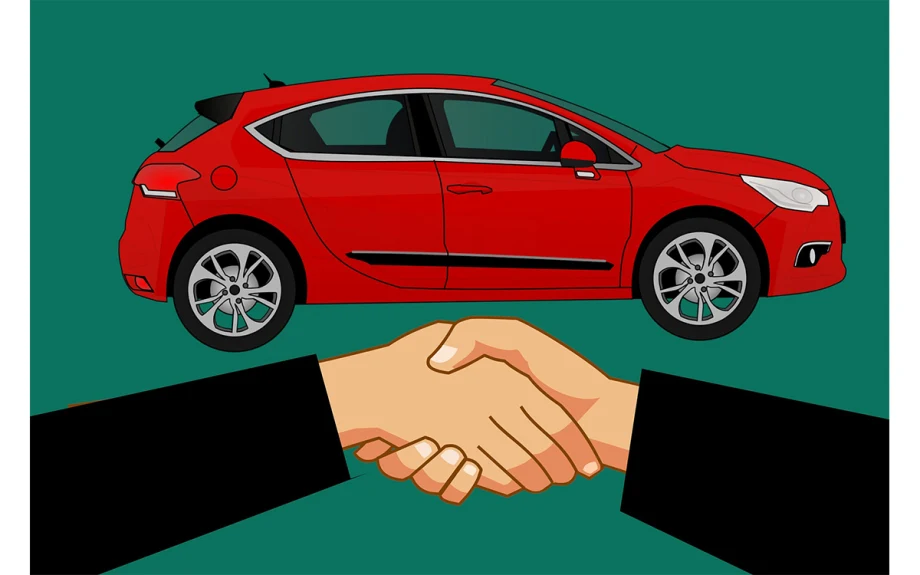
New-vehicle retail sales in January are expected to be up from a year ago, according to a forecast developed jointly by J.D. Power and LMC Automotive.
Image by mohamed Hassan via Pixabay
New-vehicle retail sales in January are expected to be up from a year ago, according to a forecast developed jointly by J.D. Power and LMC Automotive. Retail sales are projected to reach 1,016,000 units, a 0.2% increase compared with February 2019. Reporting the same numbers without controlling for the number of selling days translates to an increase of 8.5% over last year. (Note: February 2020 contains one extra weekend and two additional selling days than February 2019.)
The once-in-a-generation sales calendar quirk means that February retail sales will exceed one million units for only the third time in the last 15 years.
Total sales in February are projected to reach 1,332,200 units, a 1.8% decrease compared with February 2019. Reporting the same numbers without controlling for the number of selling days translates to an increase of 6.4% over last year. The seasonally adjusted annualized rate (SAAR) for total sales is expected to be 16.5 million units, flat from a year ago.
Thomas King, President of the Data and Analytics Division at J.D. Power said, “The once-in-a-generation sales calendar quirk means that February retail sales will exceed one million units for only the third time in the last 15 years.” The combination of the leap year and industry sales reporting practice means that this year’s sales month contains five weekends. The last time this happened was 28 years ago in 1992.
With the second consecutive month of year-over-year gains, the industry is off to its strongest start since 2017. Yet, record levels of spending are still being utilized to support the underlying volume. Incentive spending is on pace to reach $4,179 in February, the highest ever for the month and an increase of $293 from last year. Spending on cars is expected to be up $97 to $3,746, while spending on trucks/SUVs is up $353 to $4,335.
“Last year it took until September for the industry to reach the current spend levels,” King noted. “While the coronavirus has had no meaningful effect on production yet, it does have the potential to reduce overall inventory levels and lower the need for continued elevated incentives. If unhealthy inventory levels persist throughout the year, however, manufacturers may be faced with spend levels that are pacing towards $5,000 by next year.”
Transaction prices continue to remain a bright spot for the industry and are on pace to rise by 2.8% to $34,152, the highest level ever for the month of February. This is being partially driven by the shift away from cars towards more expensive trucks/SUVs. Car mix is anticipated to fall to 26.4%, down three percentage points from last year and the lowest level ever for the month of February. At the current pace, car mix for the industry will fall below 23% by December.
Record prices, coupled with the growth in sales, means that consumers are expected to spend $34.7 billion on new vehicles in February. This is up nearly $3.6 billion from last year and another record to start the year.
Looking ahead, the advantage of the unique calendar in February means that March will be at a slight disadvantage. March contains only 25 selling days, the lowest number since 2015 and one less weekend compared with last year. “With retail sales expected to post declines, it’s important not to evaluate the month in isolation; rather, it highlights the importance of evaluating performance over a longer period to get a complete picture of the sales pace,” King said.
Read: BYD Adds Head of Total Solutions to North American Team
Originally posted on Auto Dealer Today
More Industry
California Calling? What's Up With the State's New CARS Act?
Should auto dealers outside of California be concerned about its new price-transparency law? Yes, and you can guide them in the right direction.
Read More →
Tennessee Transaction Latest in Buy-Sell Flurry
Four stores move from a longtime local family business to one of the country’s biggest automotive groups as part of the industry’s continued consolidation.
Read More →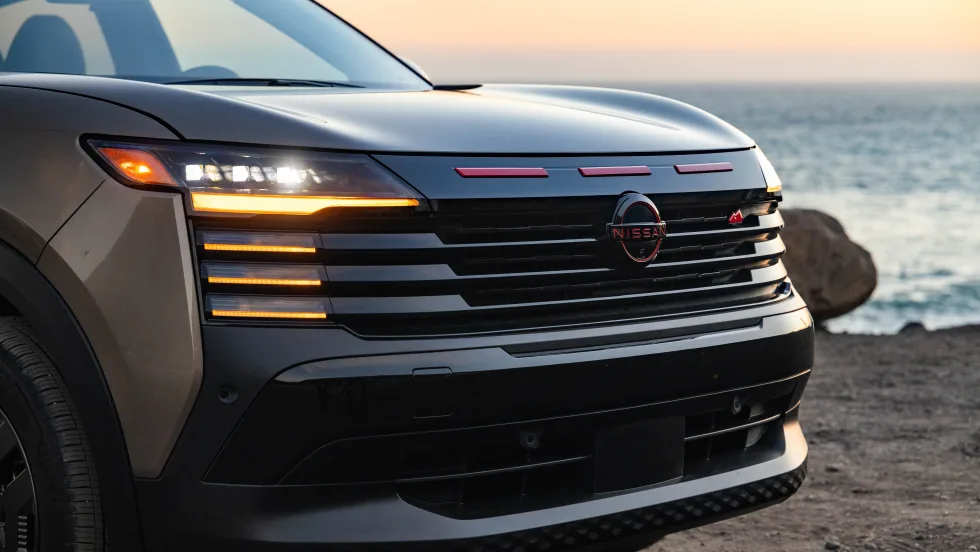
SUV Joins Safety Rankings
Thanks to a seat belt redesign, the Nissan Kicks has earned a Top Safety Pick award from the Insurance Institute for Highway Safety.
Read More →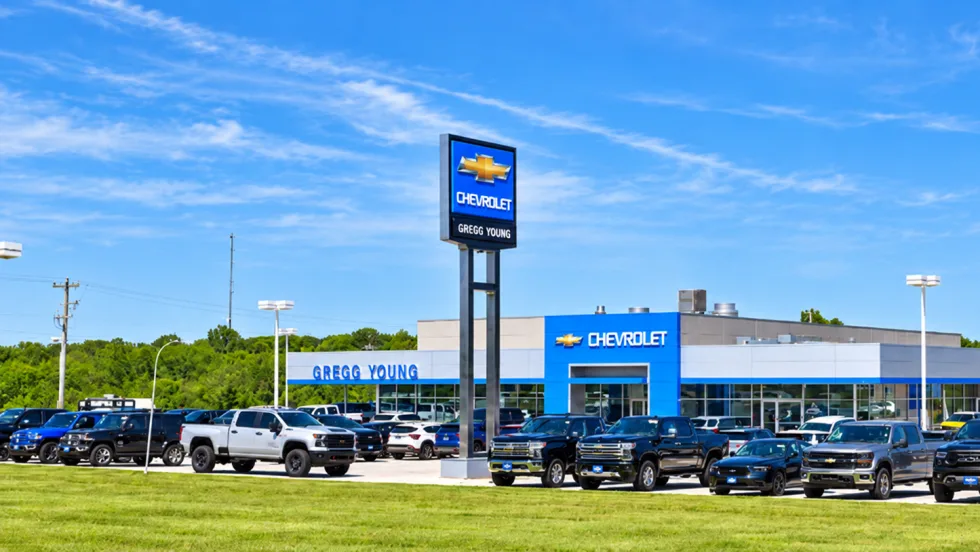
Nebraska Rooftop Changes Hands
The Gregg Young Automotive Group has sold its second dealership to Janssen Auto Group, both in Plattsmouth, Neb.
Read More →
Penske Auto Group Deal a Record
The deal to take the dealership and transportation services company private sets a new pace for industry buy-sell transactions.
Read More →
War Toll a Damper on Used Auto Prices
Cox Automotive found wholesale depreciation to be elevated in September amid high fuel prices and this year's unusual hurricane season.
Read More →
Bridge the Maintenance Gap
With many drivers missing recommended maintenance, service departments offering transparency and efficiency have a better chance of reaching financially strained consumers.
Read More →
California Store Has New Owner
The longtime dealership in the northern part of the state is known for robust fleet sales and has served the state capital for 115 years.
Read More →
BMW Plant Pursues Cleaner Energy
BMW Group Plant Leipzig has utilized hydrogen to help power its production since 2013, but a new pipeline is planned to take it to another level.
Read More →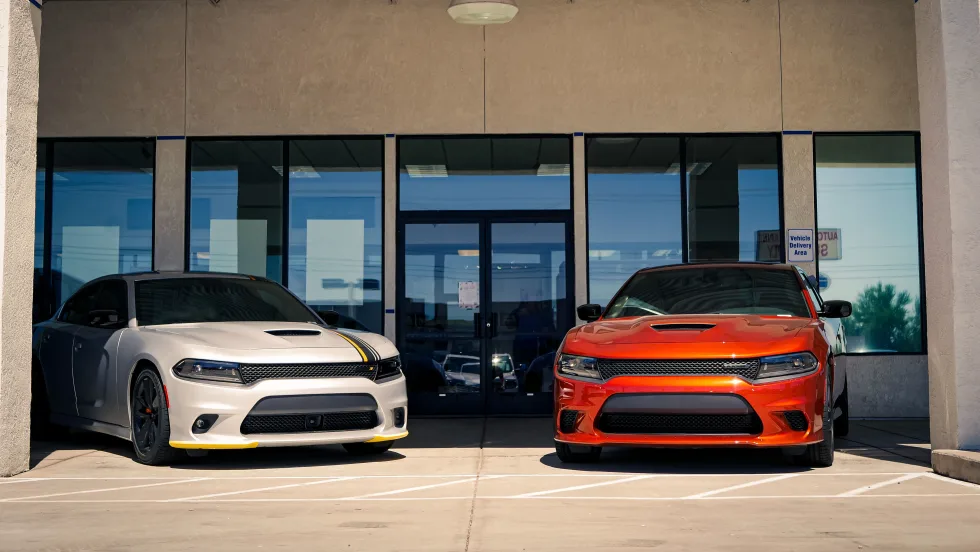
Auto Affordability Inches Up
The latest Cox Automotive and Moody’s Analytics index shows a slight increase in new-vehicle affordability despite high prices.
Read More →