



EU Countries Propose a Delay of the Ban on ICE Vehicles
Italy, Portugal, Slovakia, Bulgaria and Romania want to delay a EU plan to ban the sale of new gasoline and diesel-powered vehicles in 2035 by five years.


Creative Commons
Reuters reports Italy, Portugal, Slovakia, Bulgaria and Romania want to delay a European Union plan to ban the sale of new gasoline and diesel-powered vehicles in 2035 by five years.
The policy is a key part of the EU's plans to address rising emissions and shift consumers to electric vehicles. The EU aims to slash economy-wide net greenhouse gas emissions 55% by 2030, from 1990 levels.
The European Commission’s car emissions proposal would require a 100% reduction in CO2 emissions from new cars by 2035, banning fuel-powered vehicle sales in the EU from that date.
EU ministers will finalize their position next week before negotiating the law with the EU parliament.
The paper circulated among EU states calls instead for a 90% cut in car CO2 by 2035 and reaching the 100% target by 2040.
The goal is for light commercial vehicles to cut CO2 80% by 2035 and 100% by 2040, rather than the 100% reduction by 2035 the Commission has proposed.
The paper cites a transition period is needed to expand charging infrastructure.
Brussels finds the 2035 date crucial. Its officials say the average lifespan of new cars is 15 years and predict a delayed ban would prevent the EU from reaching zero emissions by 2050.
Other EU governments have rallied behind the 2035 target, but Germany's finance minister reported this week that the EU's biggest car market would not support it.
Ford and Volvo have publicly supported the change, with Volkswagen aiming to no longer sell combustion engine vehicles by 2035.
However, industry groups such as the European Automobile Manufacturers' Association opposed the 2035 target, citing concerns including the uncertain rollout of chargers.
Originally posted on Auto Dealer Today
More Industry
Nebraska Rooftop Changes Hands
The Gregg Young Automotive Group has sold its second dealership to Janssen Auto Group, both in Plattsmouth, Neb.
Read More →
Penske Auto Group Deal a Record
The deal to take the dealership and transportation services company private sets a new pace for industry buy-sell transactions.
Read More →
War Toll a Damper on Used Auto Prices
Cox Automotive found wholesale depreciation to be elevated in September amid high fuel prices and this year's unusual hurricane season.
Read More →
Bridge the Maintenance Gap
With many drivers missing recommended maintenance, service departments offering transparency and efficiency have a better chance of reaching financially strained consumers.
Read More →
California Store Has New Owner
The longtime dealership in the northern part of the state is known for robust fleet sales and has served the state capital for 115 years.
Read More →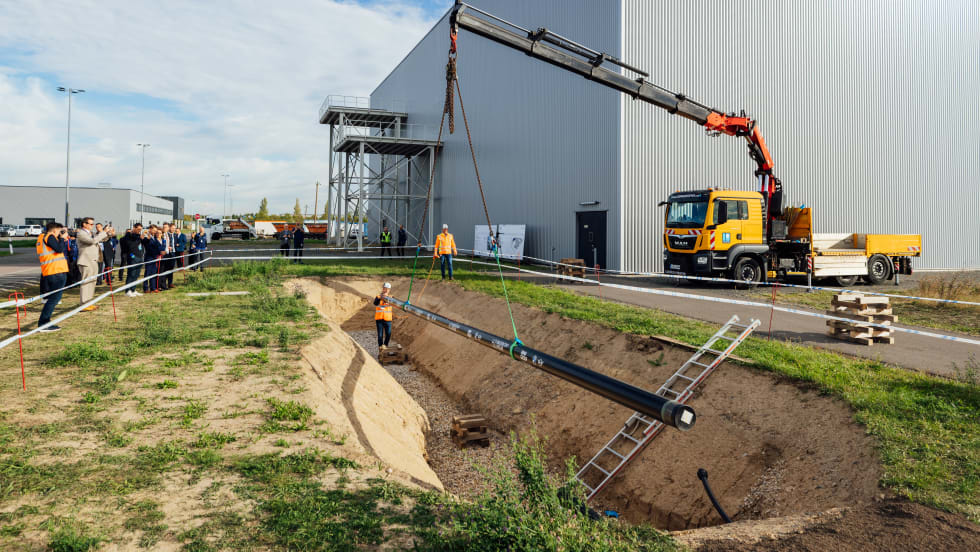
BMW Plant Pursues Cleaner Energy
BMW Group Plant Leipzig has utilized hydrogen to help power its production since 2013, but a new pipeline is planned to take it to another level.
Read More →
Auto Affordability Inches Up
The latest Cox Automotive and Moody’s Analytics index shows a slight increase in new-vehicle affordability despite high prices.
Read More →
Ohio Auto Group Under New Ownership
After 79 years with the Schluter family, Mansfield Auto Group has been acquired by Missouri-based Clement Auto Group.
Read More →
RV Group Expands Carolina Footprint
Blue Compass RV Columbia Northeast is the 13th RV dealership owned by Blue Compass in the Carolinas.
Read More →
Agent Acumen
An Agent Summit panel of people who’ve been supporting auto dealers for years gave both timely and timeless advice for those starting out or mulling the prospect.
Read More →