



EPA Asks Car Makers to Road Test Fuel-Economy Claims

The Environmental Protection Agency wants auto makers to road test the mileage claims they submit after a rash of recent inflated fuel-economy claims based on wind tunnel and other laboratory measurements, reported The Wall Street Journal.
The proposal, which would require a public comment period, comes after several high profile cases in which estimates provided by Ford Motor Co., Hyundai Motor Co. and Kia Motors Corp. were inflated and triggered complaints to regulators and auto makers. The EPA has adjusted the test over the years—most recently in 2008—to better match new-car window stickers to actual results
"Some auto makers already do this, but we are establishing a regulatory requirement for all auto makers," said Chris Grundler, director of the EPA's Office of Transportation and Air Quality. The proposal would make it difficult to manipulate lab results to achieve higher mileage ratings.
Generally, window stickers have better conformed with drivers' experience since the test was changed in 2008, Mr. Grundler said. In fact, a Wall Street Journal comparison of auto makers' estimates against driver-provided reports posted on a government website shows many owners should get slightly better mileage than the car makers estimate.
For instance, drivers of the 2011 Ford Fiesta subcompact reported an average of 37 miles on a gallon of gasoline, compared with the 33 mpg window sticker. A total of 17 different drivers entered results for that car.
The analysis of nearly 1,000 vehicle models from 2012 through 2015 model years found that fuel economy reported by drivers to the government's fueleconomy.gov website was 1.2 mpg better than the EPA label. The analysis excludes electric and plug-in electric vehicles like the Chevrolet Volt
Some experts say the fueleconomy.gov estimates may be higher than the general population because of driver pride. Rick Goeltz, a researcher in the Center for Transportation Analysis at Oak Ridge National Laboratory, which maintains the data, said consumers most likely to take time to record their mileage, are more likely to be focused on getting good mileage and therefore drive more economically.
All car makers run fuel economy tests in real-world driving, but the type of real-world test the EPA is looking for is different. They want companies to measure air-resistance and rolling friction on a test track and not just a computer model. These data can dramatically affect fuel economy, particularly in very efficient vehicles like hybrids, which is what happened to Ford on its incorrect labeling.
"We've continued to work constructively with the EPA to regularly audit real-world performance and cooperatively establish testing protocols that reflect how people drive today," said The Alliance of Automobile Manufacturers, the lobbying group that represents most auto makers in the U.S.
In 2012, the EPA forced the South Korean companies to lower EPA label figures on much of their lineups. This came after customer complaints about the variance. The companies agreed to pay drivers for the difference based on how many miles they drove. Later, following a class-action lawsuit, owners received one-time cash payouts.
Ford last month said it overstated the mileage of six 2013 and 2014 models, mostly gasoline-electric hybrids. Ford said it would pay owners of the cars up to $1,050 to compensate them for the failure to deliver advertised fuel savings. Ford made the change after a real-world driving audit found mistakes in the testing it had used.
Ford's problems were with very efficient cars, mostly hybrids, and that is where variances from the real world and test results often appear. Small changes to the formula used to test the car can have a big impact, Mr. Grundler said.
It isn't well known, but the EPA doesn't test every new car. Most lab testing for fuel economy is performed by auto makers and the data is vetted by the agency.
The EPA currently requires a five-part lab test that simulates driving under conditions that are repeatable from one car to another. Because of the number of vehicles on the road, the agency runs tests on only about 15% of the industry's models each year to check the accuracy of mileage claims.
In real world use, hybrids for many auto makers tended to underperform the lab results. Meanwhile, diesel engines tend to perform much better than the label—by almost 5 miles a gallon, according to The Journal's analysis. The spread is so significant that Mr. Grundler has asked engineers to look into why the testing of diesels doesn't reflect real-world results more closely.
More Industry

Penske Auto Group Deal a Record
The deal to take the dealership and transportation services company private sets a new pace for industry buy-sell transactions.
Read More →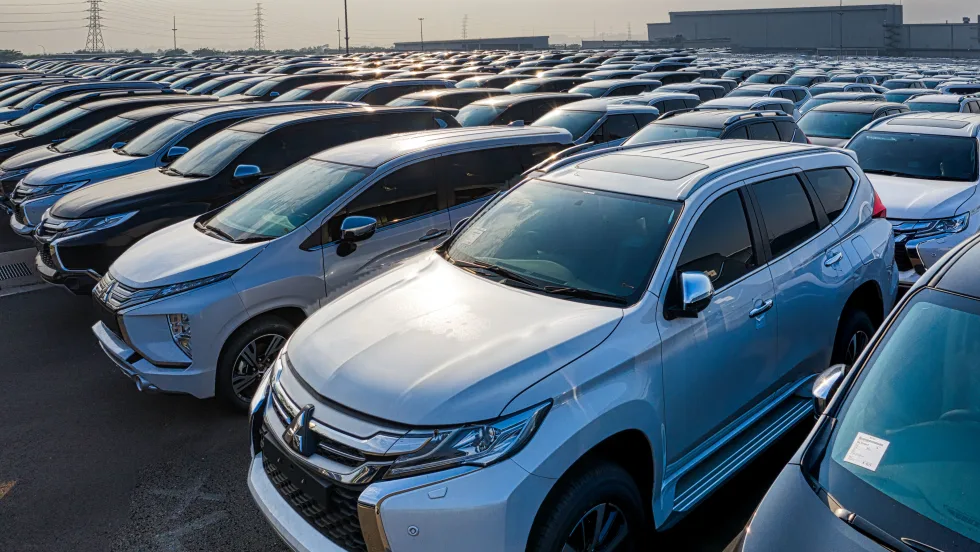
War Toll a Damper on Used Auto Prices
Cox Automotive found wholesale depreciation to be elevated in September amid high fuel prices and this year's unusual hurricane season.
Read More →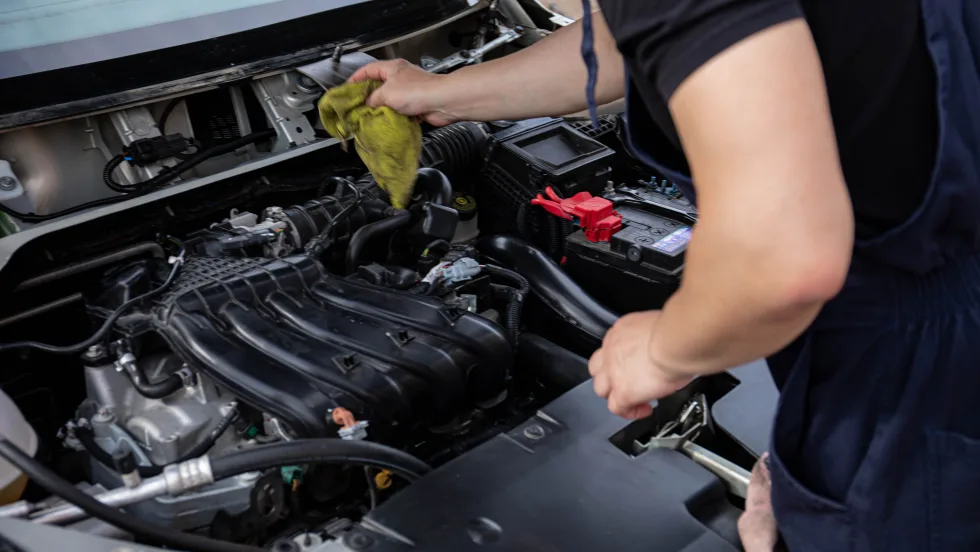
Bridge the Maintenance Gap
With many drivers missing recommended maintenance, service departments offering transparency and efficiency have a better chance of reaching financially strained consumers.
Read More →
California Store Has New Owner
The longtime dealership in the northern part of the state is known for robust fleet sales and has served the state capital for 115 years.
Read More →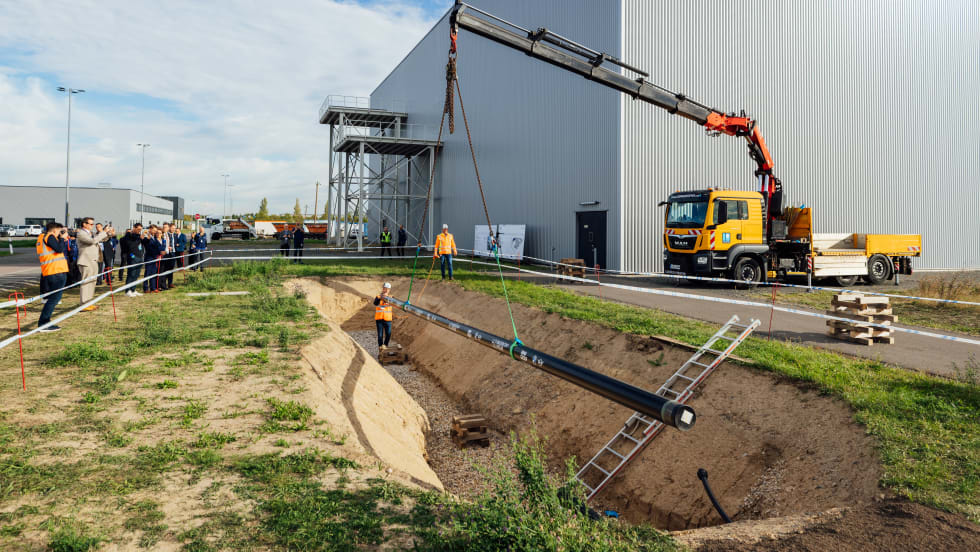
BMW Plant Pursues Cleaner Energy
BMW Group Plant Leipzig has utilized hydrogen to help power its production since 2013, but a new pipeline is planned to take it to another level.
Read More →
Auto Affordability Inches Up
The latest Cox Automotive and Moody’s Analytics index shows a slight increase in new-vehicle affordability despite high prices.
Read More →
Ohio Auto Group Under New Ownership
After 79 years with the Schluter family, Mansfield Auto Group has been acquired by Missouri-based Clement Auto Group.
Read More →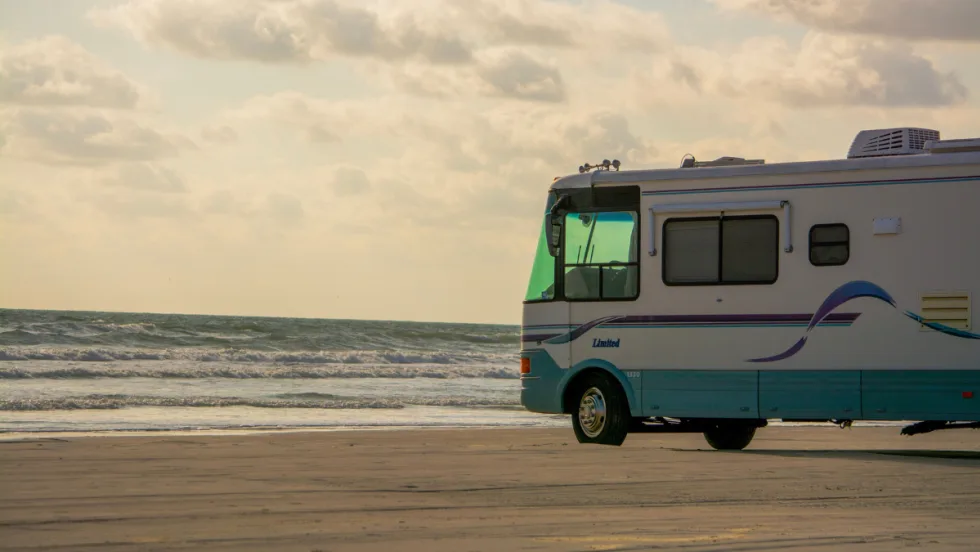
RV Group Expands Carolina Footprint
Blue Compass RV Columbia Northeast is the 13th RV dealership owned by Blue Compass in the Carolinas.
Read More →
Agent Acumen
An Agent Summit panel of people who’ve been supporting auto dealers for years gave both timely and timeless advice for those starting out or mulling the prospect.
Read More →
Missed Maintenance Creates Opportunity
As families get back on the road and into daily school routines, service drives have an opportunity to capture customers who are behind on recommended vehicle maintenance.
Read More →