



Down Economy Will Impact All Automakers
An economic downturn could put all automaker’s, even those making luxury autos, earnings to the test.


An economic downturn could put all automakers, even those making luxury autos, earnings to the test.
IMAGE: Getty Images
Luxury brands are not recession proof, reports a recent article in the Wall Street Journal.
However, investors seem to prefer expensive vehicles to cheaper ones. Porsche, for example, is at almost 17 times this year’s earnings.
However, both sides of the Atlantic are sounding alarm bells over economic concerns. Europe’s concerns center on energy. Even with massive government support, sky high energy prices will limit economic activity and consumer spending. In the U.S., concerns center on rising interest rates, which effects vehicle sales as vehicles are normally sold on credit.
These concerns push investors to take refuge in luxury brands. Luxury brands offer than better value for money. High-end producers screen classic metrics of company “quality” such as cash flows and returns on capital, to take advantage of this.
However, as we saw with Porsche during the Great Recession, luxury vehicles are not immune to economic downturns. Porsche sales fell 22.5% in 2008. The Porsche 911 sports car fared even worse, with production more than halving over the five years ending in 2011, report Quest analysts.
Leasing accounted for 43% of vehicles sold by Porsche in 2021 could be vulnerable. While some buyers probably leased for convenience, others likely couldn’t afford the brand without leasing. Rising interest rates will challenge leasing as secondhand car values fall from their recent highs.
However, mass market auto manufacturers, given the current inventory shortage, sit on fat order books that may shrink some, but weak demand and weak supply will keep prices high. Companies like General Motors and Stellantis, which restructured their operations during the previous downturn, are well prepared for an economic storm.
Even so, the coming downturn could put all automaker’s, even those making luxury autos, earnings to the test, with unclear results.
Originally posted on Auto Dealer Today
More Sales

September Payments Reach New Heights
Despite lower interest rates and longer loan terms, the average new-vehicle monthly payment continues to climb, and transaction prices remain high.
Read More →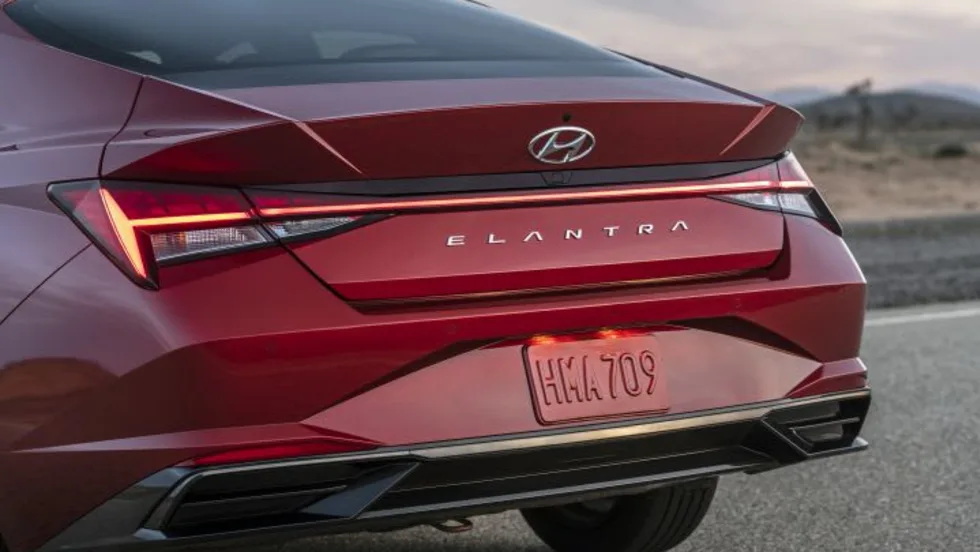
Used Lots Getting the Business
Many consumers are seeking out the units to save money, and the demand – higher in July than normal – is keeping supply limited and prices up.
Read More →
Two Kinds of Agents and the 5 Ps That Separate Them
Follow these key guidelines to distinguish your agency from competitors by adding more value to your dealer clients' businesses.
Read More →
Positive Equity Reaches Record High
Mainstream vehicle owners who bought a car seven years ago are likely to have positive equity when trading in for a new vehicle, according to second-quarter Edmunds data.
Read More →
Used Market Stabilizes
The Carfax Used Car Index noted a major drop in used-vehicle price increases in July after several months of hikes.
Read More →
July Auto Sales Simmer
Deliveries were up modestly from a year ago despite still-high prices as OEMs offered more incentives and loan rates eased somewhat.
Read More →
Used Sales Hit Summer Drag
The vacation season, combined with high prices, has dented deliveries and added to inventories, though supply is still slim enough to keep listings elevated.
Read More →
June Automotive Boon?
A forecast for this month’s new-vehicle sales tells a familiar 2026 story: Year-over-year comparisons must be made in light of last year’s aberrations.
Read More →
Affordable New Cars a Thing of the Past
More than one out of five new vehicles sell for more than $60,000, according to Edmunds. That's up 7% compared to prepandemic 2019.
Read More →
Legacy Automakers Risk Falling Behind
As legacy automakers, mostly in the U.S. and Japan, have revised their 2030 electric-vehicle sales targets and shifted to a hybrid focus, they risk falling behind new market leaders.
Read More →