



Chrysler Pulls Application for U.S. Loans as Carmaker’s Financials Improve

Chrysler Group LLC withdrew its application for U.S. Energy Department loans after the government tightened its lending standards and the company’s financial standing improved.
Chrysler “remains confident in its strategy to bring competitive, fuel-efficient vehicles and technologies to market on schedule,” the Auburn Hills, Michigan-based company said yesterday in a statement. The decision won’t impact Chrysler’s ability to achieve its financial targets, the company said.
Sergio Marchionne, chief executive officer of Chrysler and majority-owner Fiat SpA, told reporters Feb. 4 that the automaker was seeking less than $3.5 billion in loans from the government’s Section 136 program, which encourages production of fuel-efficient vehicles. He said the department’s due diligence process was reflecting “some of the deals they’ve done,” without making specific mention of loan recipients such as Solyndra LLC that have filed for bankruptcy protection, reported Bloomberg.
“Sergio lost patience,” Richard Hilgert, a Chicago-based analyst for Morningstar Equity Research, said in a phone interview. “The company is now on solid financial ground and really no longer needs to have the DOE loans. They would have been at very attractive rates, but the market has very low interest rates right now and they could probably borrow at very attractive rates without these loans.”
Chrysler, which is 58.5 percent owned by Turin-based Fiat, forecast on Feb. 1 that earnings may double this year after reporting its first full-year profit since exiting bankruptcy in 2009. The company earned $734 million in 2011 excluding costs associated with paying back the U.S. and Canadian government loans.
Marchionne plans to introduce technology such as natural- gas powered vehicles in the U.S. to help meet 2025 regulatory standards that call for the average fuel economy to rise to 54.5 miles per gallon. The automaker expects to begin selling an electric version of the Fiat 500 small car by early next year.
“While we were continuing to work with Chrysler to come to an agreement, we are pleased that they are capable of achieving their business goals without department support,” Damien LaVera, an Energy Department spokesman, said yesterday in an e- mail. “The company’s decision to move forward without this loan reflects the tremendous financial turnaround that Chrysler and its workers have achieved.”
Ener1 Inc., the maker of batteries for electric cars whose subsidiary received a $118 million Energy Department grant, in January filed for bankruptcy protection after defaulting on bond debt amid Asian competition. Ener1’s bankruptcy followed the failure of at least two U.S. government-backed renewable energy companies, the solar-panel maker Solyndra and energy-storage company Beacon Power Corp.
Ford Motor Co., the second-largest U.S. automaker, received $5.9 billion of Energy Department loans in June 2009. Nissan Motor Co. borrowed $1.6 billion, and Tesla Motors Inc. was loaned $495 million at that time. General Motors Co., which also emerged from bankruptcy in 2009, withdrew its application for $14.4 billion in loans in January 2011.
Marchionne signaled at the North American International Auto Show in Detroit in January that Chrysler might withdraw its request for loans if the amount made available by the government was “too restrictive.” Borrowing from the U.S. likely would impair Chrysler’s ability to “refinance itself” for the term of the loans, he said.
The U.S. Treasury Department and Canadian government, which backed Chrysler’s bankruptcy, exited their holdings in the company in July when Fiat paid $625 million to boost its stake to 53.5 percent on a fully diluted basis. Fiat increased its ownership to 58.5 percent in January after a commitment to build a 40-mpg rated Dodge Dart compact car in Belvidere, Illinois.
More Industry

Penske Auto Group Deal a Record
The deal to take the dealership and transportation services company private sets a new pace for industry buy-sell transactions.
Read More →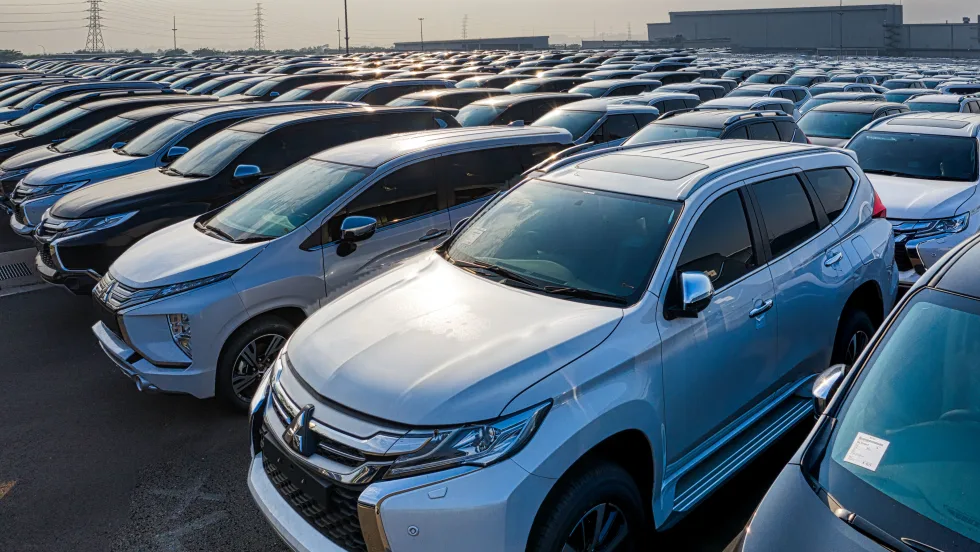
War Toll a Damper on Used Auto Prices
Cox Automotive found wholesale depreciation to be elevated in September amid high fuel prices and this year's unusual hurricane season.
Read More →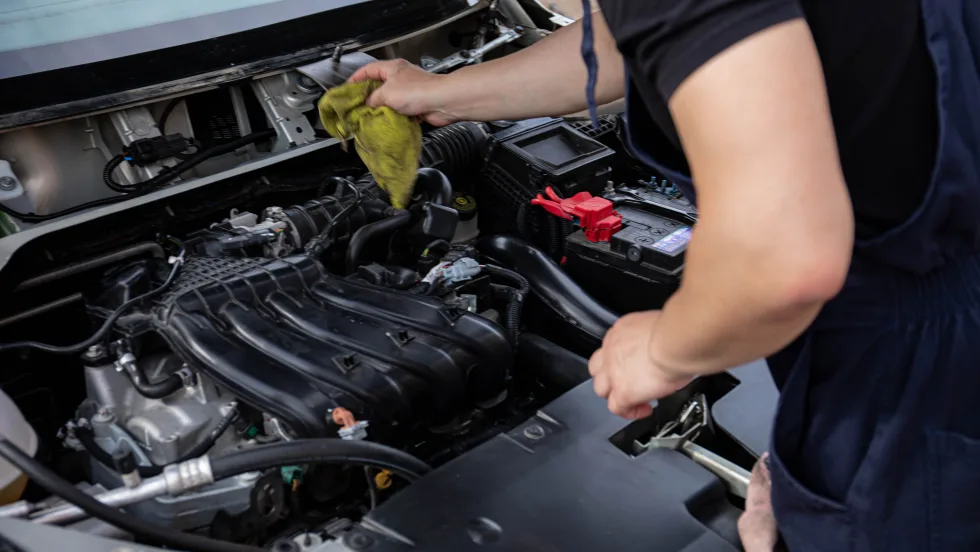
Bridge the Maintenance Gap
With many drivers missing recommended maintenance, service departments offering transparency and efficiency have a better chance of reaching financially strained consumers.
Read More →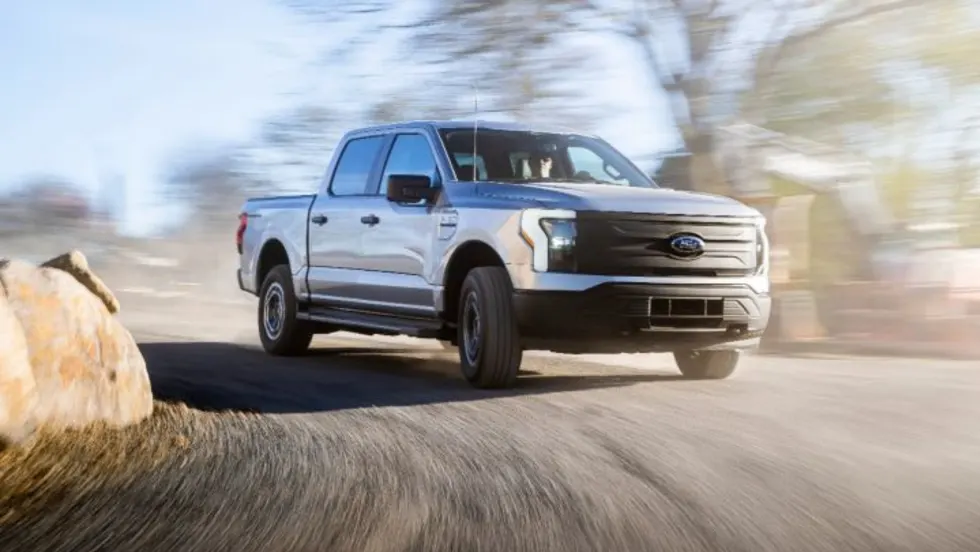
California Store Has New Owner
The longtime dealership in the northern part of the state is known for robust fleet sales and has served the state capital for 115 years.
Read More →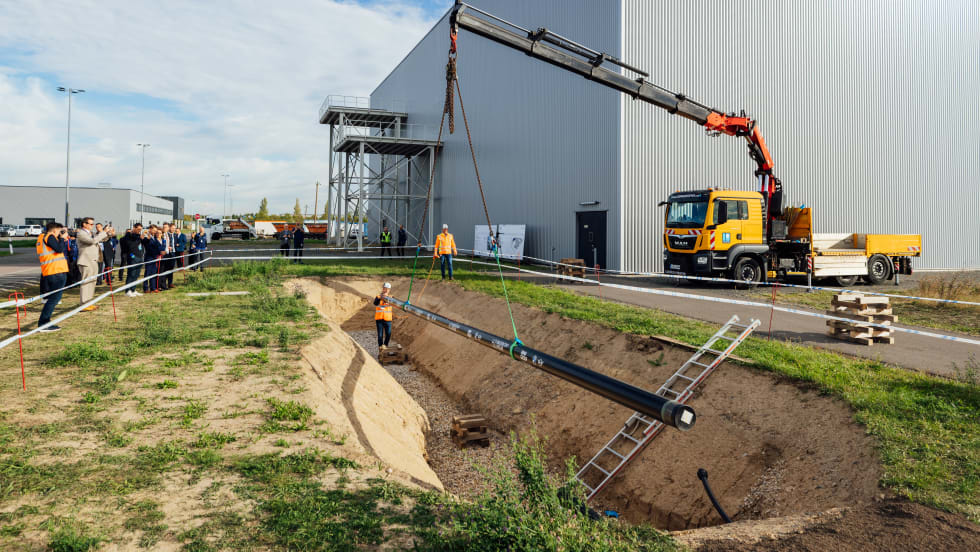
BMW Plant Pursues Cleaner Energy
BMW Group Plant Leipzig has utilized hydrogen to help power its production since 2013, but a new pipeline is planned to take it to another level.
Read More →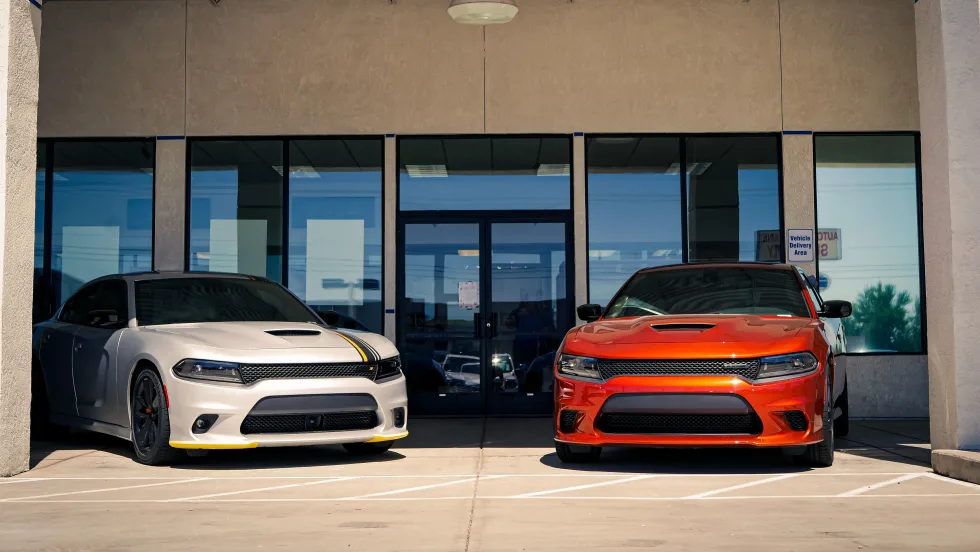
Auto Affordability Inches Up
The latest Cox Automotive and Moody’s Analytics index shows a slight increase in new-vehicle affordability despite high prices.
Read More →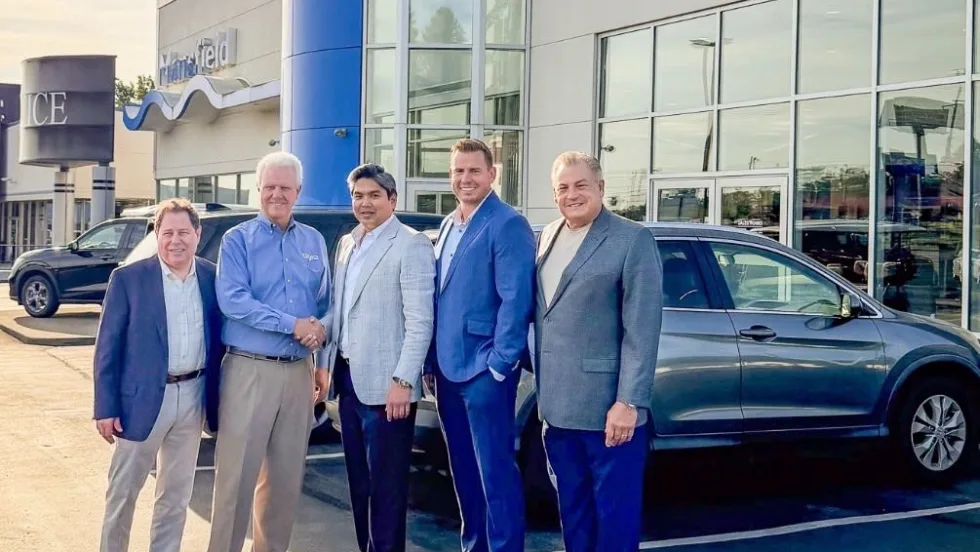
Ohio Auto Group Under New Ownership
After 79 years with the Schluter family, Mansfield Auto Group has been acquired by Missouri-based Clement Auto Group.
Read More →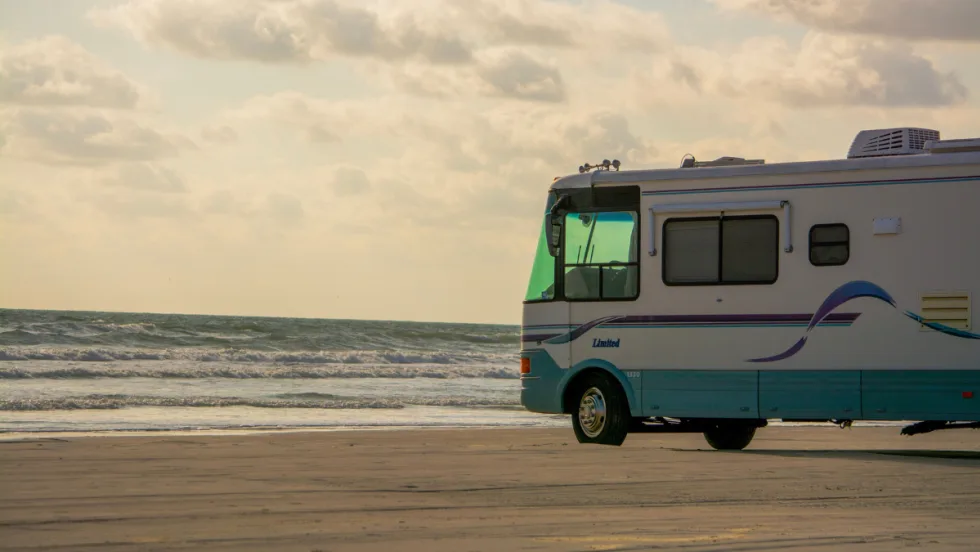
RV Group Expands Carolina Footprint
Blue Compass RV Columbia Northeast is the 13th RV dealership owned by Blue Compass in the Carolinas.
Read More →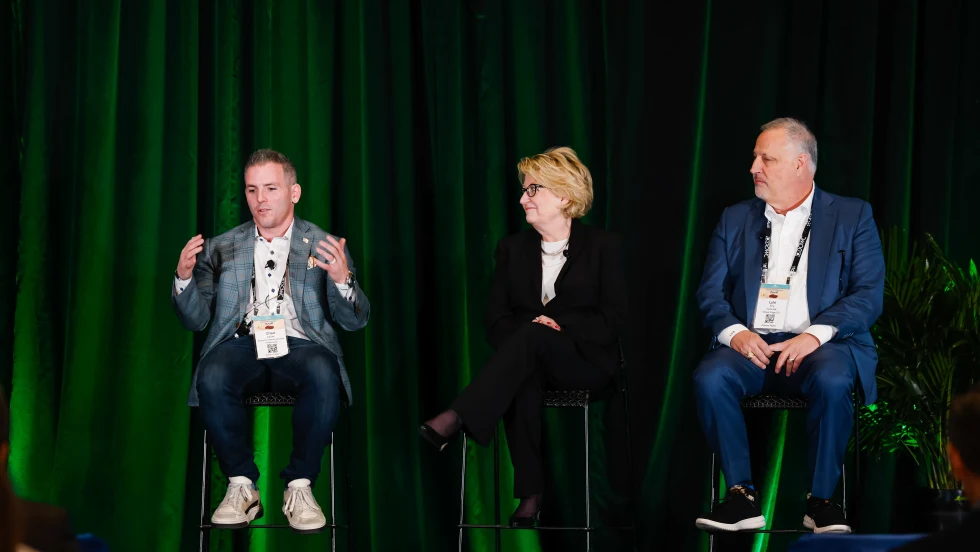
Agent Acumen
An Agent Summit panel of people who’ve been supporting auto dealers for years gave both timely and timeless advice for those starting out or mulling the prospect.
Read More →
Missed Maintenance Creates Opportunity
As families get back on the road and into daily school routines, service drives have an opportunity to capture customers who are behind on recommended vehicle maintenance.
Read More →