



Carvana Settles Dispute with State of Illinois
The used car retailer will continue to operate in Illinois under some restrictions.

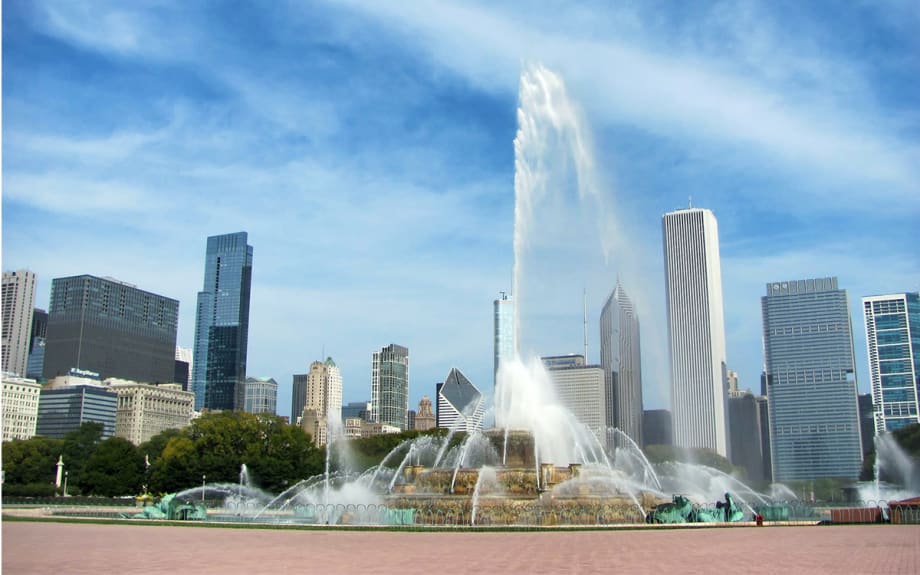
The used car retailer will continue to operate in Illinois under some restrictions.
IMAGE: Pixabay
Carvana and the State of Illinois have agreed on a settlement for a regulatory dispute, which means the used car retailer can operate in the Land of Lincoln once again.
Automotive News reports the retailer admitted to violating state laws and agreed to comply with new restrictions. Should the auto retailer violate this agreement or state laws again, the Illinois Secretary of State can suspend and revoke Carvana’s dealer license for a third time.
“The admission by Carvana demonstrates what we know all along: that Carvana was violating the law in a manner that was harmful to Illinois customers,” Alex Giannoulia, Illinois Secretary of State, said in an announcement.
Illinois has suspended Carvana’s dealer license twice already and restricted the company’s operation in Illinois over vehicle registration and titling issues in 2022. The state first suspended Carvana’s license on May 10, 2022. The state alleged that Carvana failed to transfer titles for the vehicles it sold, and it improperly issued out-of-state temporary registration permits. Both actions are against Illinois law.
The state stayed the initial suspension on May 26th but re-suspended Carvana’s license on July 18th. Carvana then filed for a temporary restraining order against the Secretary of State, which was granted by an Illinois judge in late July. Illinois has allowed Carvana to sell vehicles in the state with restrictions and was required to title vehicles through Illinois remitters that are licensed in the state to process title transactions.
The litigation began when the Secretary of State’s police department began investigating Carvana’s business practices after it received many consumer complaints about the retailer’s registration and titling practices and timeliness.
Carvana noted in a statement that it will continue to sell vehicles to Illinois residents via its website or vending machine in Oak Brook, a suburb of Chicago.
Originally posted on Auto Dealer Today
More Industry
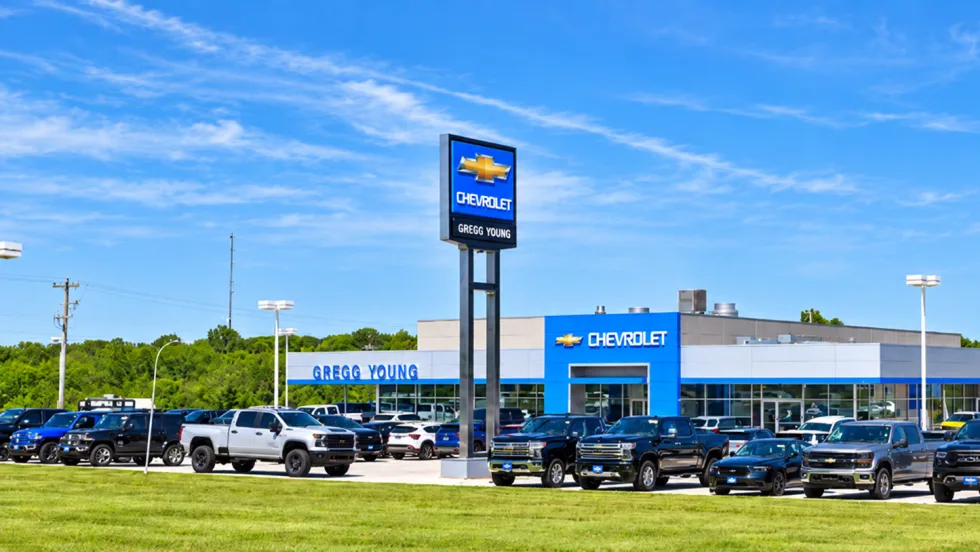
Nebraska Rooftop Changes Hands
The Gregg Young Automotive Group has sold its second dealership to Janssen Auto Group, both in Plattsmouth, Neb.
Read More →
Penske Auto Group Deal a Record
The deal to take the dealership and transportation services company private sets a new pace for industry buy-sell transactions.
Read More →
War Toll a Damper on Used Auto Prices
Cox Automotive found wholesale depreciation to be elevated in September amid high fuel prices and this year's unusual hurricane season.
Read More →
Bridge the Maintenance Gap
With many drivers missing recommended maintenance, service departments offering transparency and efficiency have a better chance of reaching financially strained consumers.
Read More →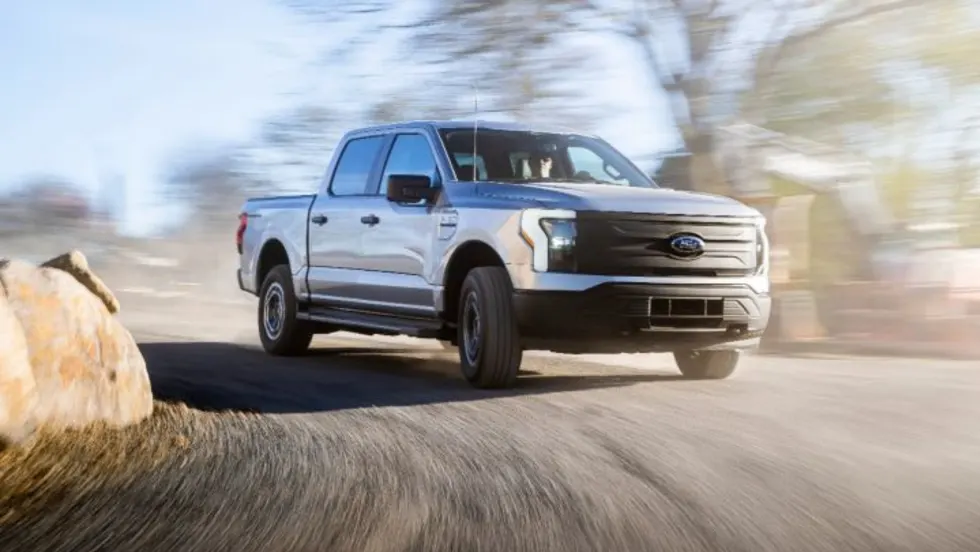
California Store Has New Owner
The longtime dealership in the northern part of the state is known for robust fleet sales and has served the state capital for 115 years.
Read More →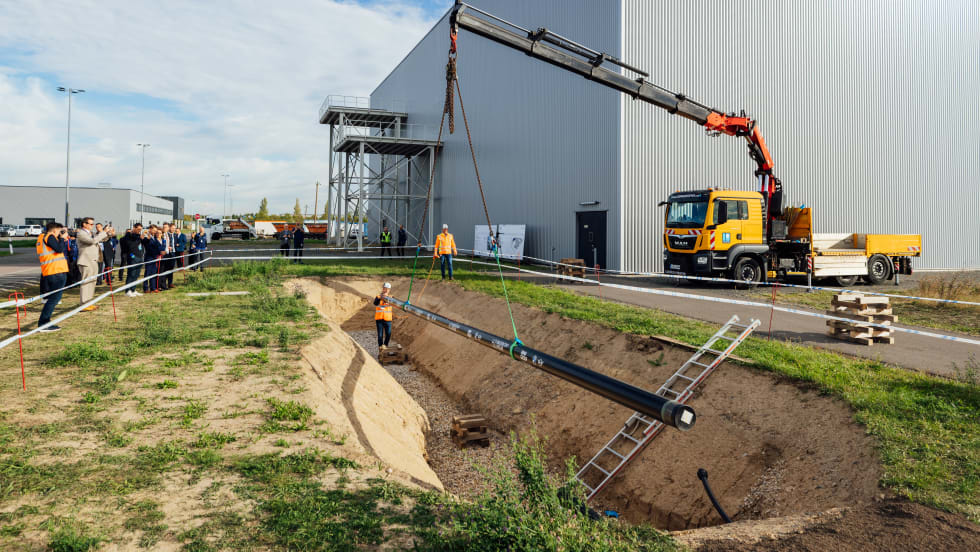
BMW Plant Pursues Cleaner Energy
BMW Group Plant Leipzig has utilized hydrogen to help power its production since 2013, but a new pipeline is planned to take it to another level.
Read More →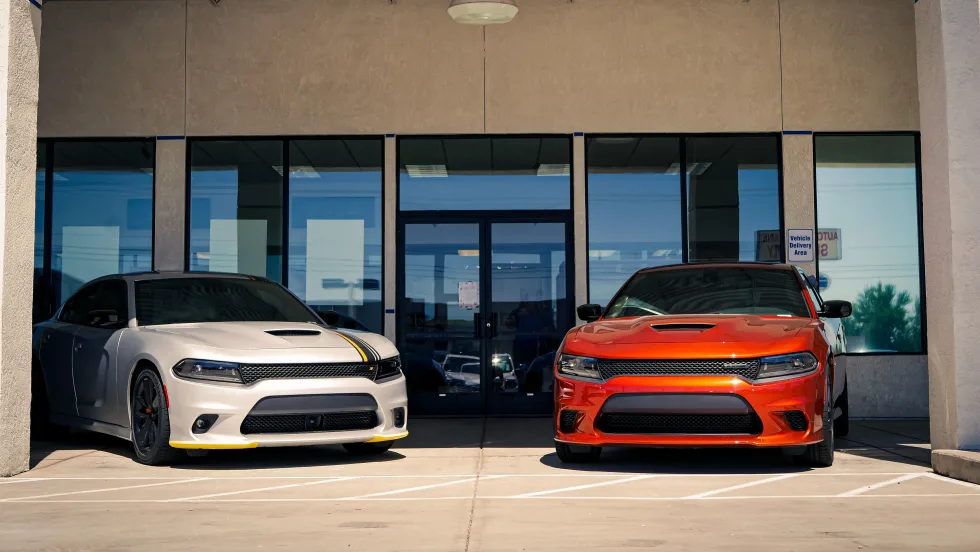
Auto Affordability Inches Up
The latest Cox Automotive and Moody’s Analytics index shows a slight increase in new-vehicle affordability despite high prices.
Read More →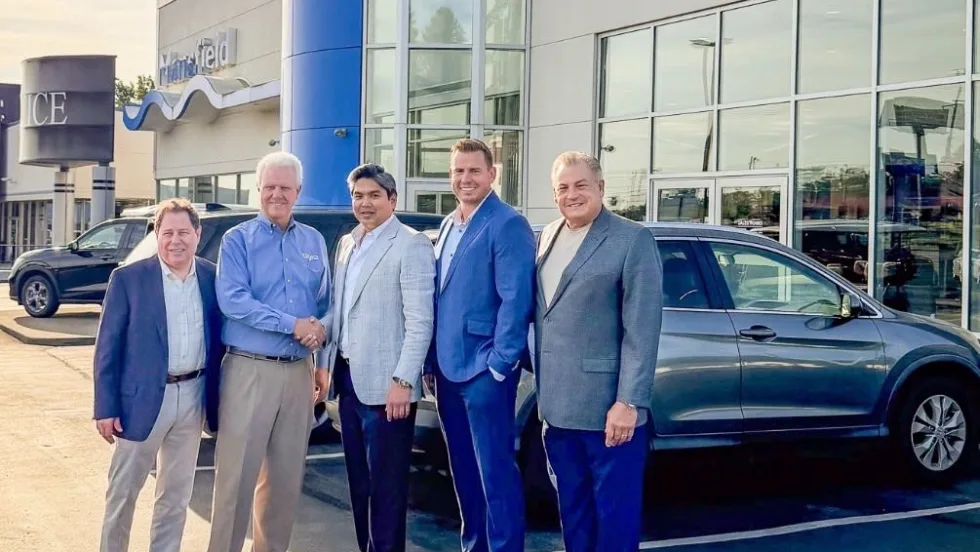
Ohio Auto Group Under New Ownership
After 79 years with the Schluter family, Mansfield Auto Group has been acquired by Missouri-based Clement Auto Group.
Read More →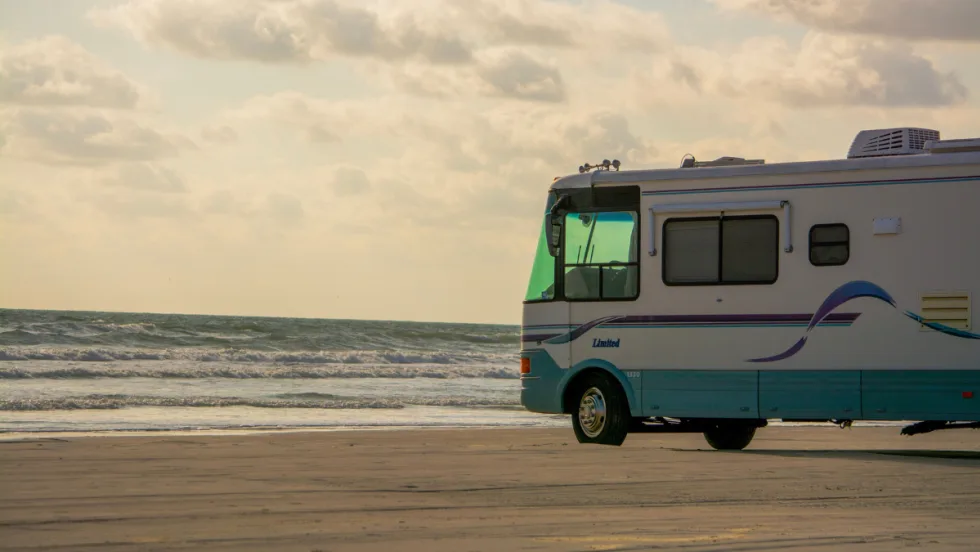
RV Group Expands Carolina Footprint
Blue Compass RV Columbia Northeast is the 13th RV dealership owned by Blue Compass in the Carolinas.
Read More →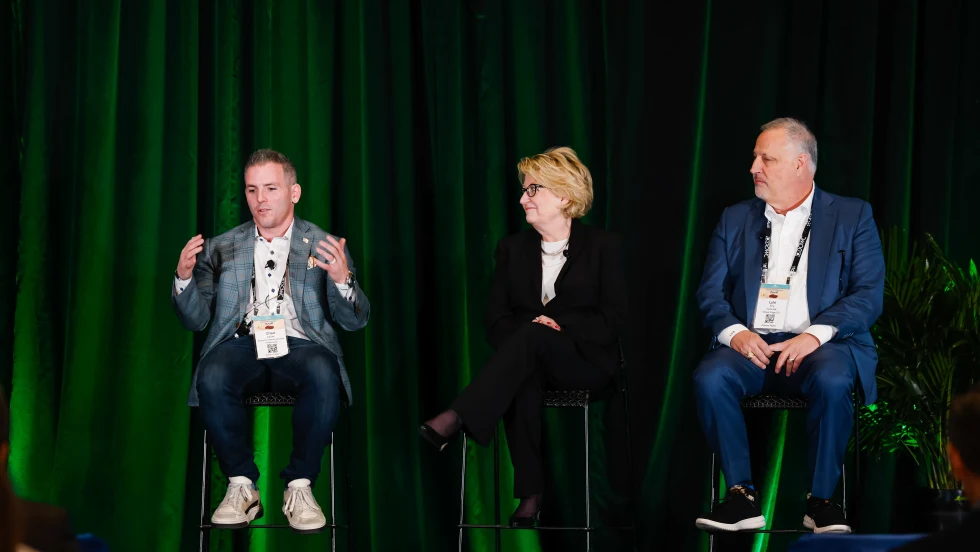
Agent Acumen
An Agent Summit panel of people who’ve been supporting auto dealers for years gave both timely and timeless advice for those starting out or mulling the prospect.
Read More →