



Carmakers Embrace Sustainability
Growing use of recycled materials, parts in vehicle manufacturing could bring a significant market shift, report says.

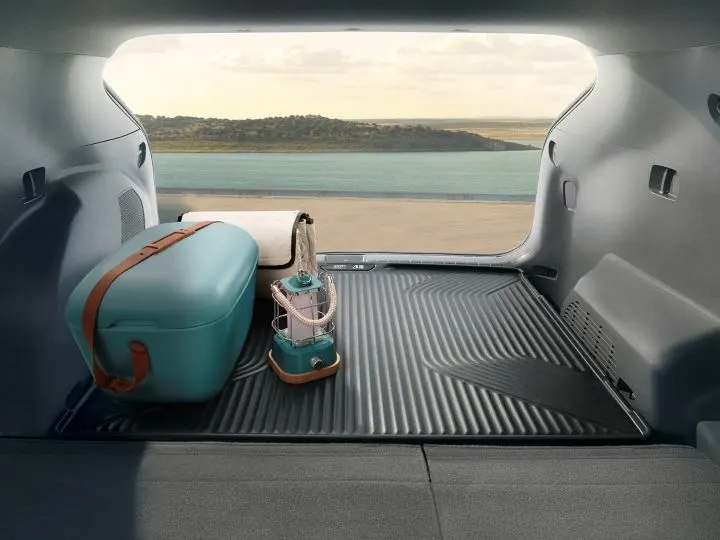
Kia introduced a matt for its EV3 last fall that's made from plastic from the Great Pacific Garbage Patch.
Kia
Automakers are increasingly incorporating recycled materials into their vehicle manufacturing in response to consumer interest, a new report shows.
The trend stands to reshape market competition, according to the analysis by GlobalData, a London-based data analytics provider and consultant.
A “considerable shift” is taking place in the industry when it comes to materials sourcing and production processes as automakers prioritize recycled and sustainable materials, the report says.
Incorporating such changes, in addition to reducing environmental impacts, can reduce production costs and make operations more efficient, says GlobalData, which adds that for the consumer lighter-weight materials, including recycled plastics, improve fuel efficiency.
It points out efforts by multiple major automakers:
Toyota, Mazda and Honda programs to use recycled plastics in vehicle manufacturing
Ford’s seat cushions that incorporate plastic recycled from water bottles
Volvo’s use of recycled material from fishing nets and ropes in one model’s interior components
Jaguar’s application of vehicle fabric made from ocean debris plastics
Toyota announced a new program this month to recycle vehicles and their parts to make new ones. The Toyota Circular Factory starts its first operation this fall at a Corolla plant in England.
Automakers are collaborating with recycling companies to source materials, says GlobalData, which expects the efforts to influence auto consumer buying habits and bring a “significant” shift to the industry.
“As manufacturers adapt to these sustainable practices, we may observe a transformation in consumer preferences, with buyers increasingly favoring brands that prioritize environmental responsibility,” said company Automotive Analyst Madhuchhanda Palit.
Increased demand for recycled material for auto manufacturing could also increase demand for more electric and hybrid vehicles, feeding industry growth, Palit says.
Originally posted on Auto Dealer Today
More Industry

Penske Auto Group Deal a Record
The deal to take the dealership and transportation services company private sets a new pace for industry buy-sell transactions.
Read More →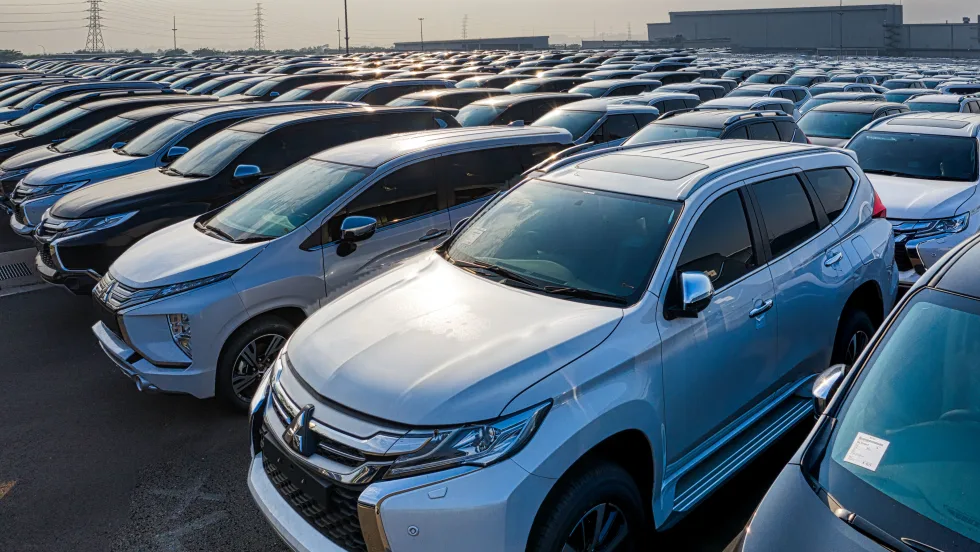
War Toll a Damper on Used Auto Prices
Cox Automotive found wholesale depreciation to be elevated in September amid high fuel prices and this year's unusual hurricane season.
Read More →
Bridge the Maintenance Gap
With many drivers missing recommended maintenance, service departments offering transparency and efficiency have a better chance of reaching financially strained consumers.
Read More →
California Store Has New Owner
The longtime dealership in the northern part of the state is known for robust fleet sales and has served the state capital for 115 years.
Read More →
BMW Plant Pursues Cleaner Energy
BMW Group Plant Leipzig has utilized hydrogen to help power its production since 2013, but a new pipeline is planned to take it to another level.
Read More →
Auto Affordability Inches Up
The latest Cox Automotive and Moody’s Analytics index shows a slight increase in new-vehicle affordability despite high prices.
Read More →
Ohio Auto Group Under New Ownership
After 79 years with the Schluter family, Mansfield Auto Group has been acquired by Missouri-based Clement Auto Group.
Read More →
RV Group Expands Carolina Footprint
Blue Compass RV Columbia Northeast is the 13th RV dealership owned by Blue Compass in the Carolinas.
Read More →
Agent Acumen
An Agent Summit panel of people who’ve been supporting auto dealers for years gave both timely and timeless advice for those starting out or mulling the prospect.
Read More →
Missed Maintenance Creates Opportunity
As families get back on the road and into daily school routines, service drives have an opportunity to capture customers who are behind on recommended vehicle maintenance.
Read More →