



California DMV Accuses Tesla of Exaggerating Hands-free Driving Software Capabilities
The California Department of Motor Vehicles has asked for an administrative hearing that could result in penalties.

Tesla
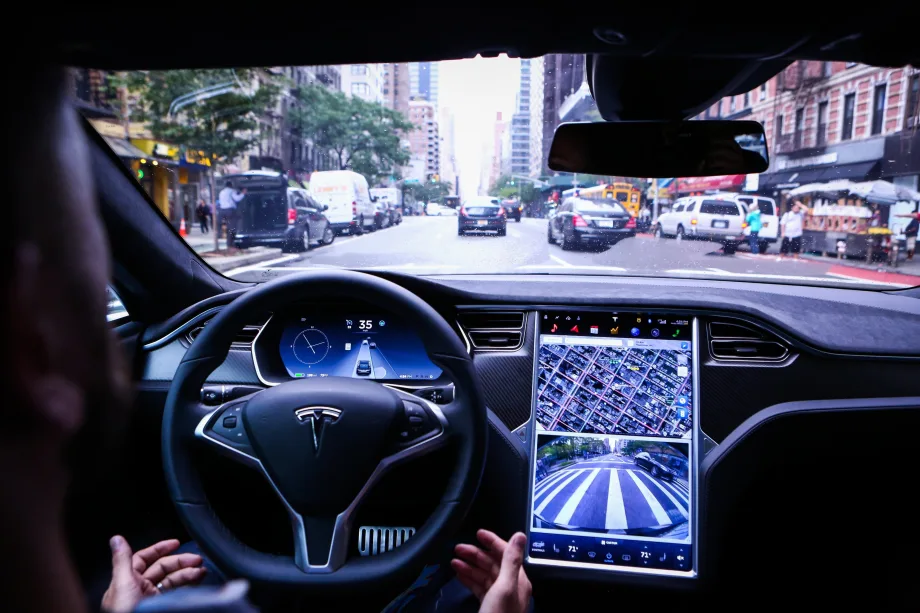
The California Department of Motor Vehicles has accused Tesla of exaggerating the capabilities of its hands-free driving software. The agency has asked for an administrative hearing that could result in penalties.
Tesla offers three levels of automation on its vehicles. Each level offers different capabilities, but none give consumers a true autonomous vehicle.
Autopilot comes standard equipment on every Tesla vehicle. It includes a smart cruise control that matches the car’s speed to the speed of surrounding traffic and a lane-centering function to keep the car in the center of its lane.
Enhanced Autopilot, a $6,000 option on all Tesla vehicles, which offers the same features as Autopilot but adds the ability to navigate highway on- and off-ramps and highway interchanges without driver input, and to suggest lane changes. This level also includes a self-parking system and a “summon” function that lets owners call the car to them from across a parking lot.
Full Self-Driving costs consumers $12,000. This system lets the car read and react to traffic lights and stop signs with the driver’s “active supervision.” Owners can use this system today but must agree to a series of waivers to activate it. Tesla reports the system is still in “beta testing.”
The California DMV claims Tesla “made or disseminated statements that are untrue or misleading, and not based on facts.” By naming the products “autopilot” and “full self-driving,” the DMV alleges Tesla suggests the systems operate autonomously.
But SAE requires active driver supervision with autonomous capabilities such as those offered by Tesla. The automaker has since added a disclaimer stating “the currently enabled features require active driver supervision and do not make the vehicle autonomous.”
A collective group of automotive safety groups have asked the auto industry to agree on standardized names for autonomous systems to avoid confusion.
Tesla has offered up information that explains how Full Self-Driving is “not capable of recognizing or responding to static objects and road debris, emergency vehicles, construction zones, large uncontrolled intersections with multiple incoming ways, occlusions, adverse weather, complicated or adversarial vehicles in the driving path, and unmapped roads.”
California DMV maintains this disclaimer is not enough.
If the DMV prevails in its lawsuit, it could revoke the company’s licenses to make or sell its cars in California.
But in a KMB.com article, a DMV spokesperson hinted the agency wouldn’t take things that far. Instead, will require Tesla to advertise to consumers and better educate Tesla drivers about the capabilities of its ‘Autopilot’ and ‘Full Self-Driving’ features.”
Originally posted on Auto Dealer Today
More Product & Technology
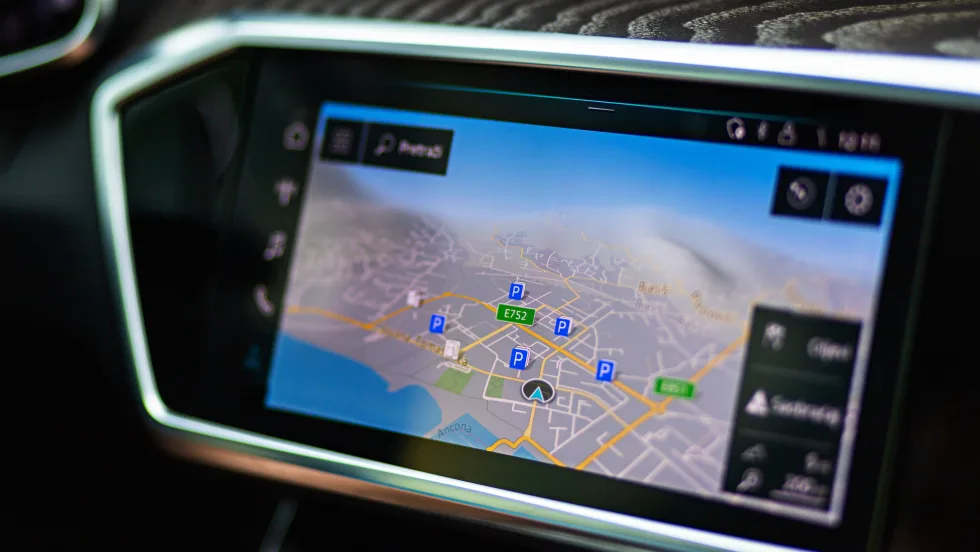
Computer Headaches on the Road
Consumers keep complaining about new cars’ infotainment tech, but are automakers listening? A recent survey shows regression except for mapping and speakers.
Read More →
Another Death Tied to Imported Air Bags
The Texas traffic fatality is the 11th federal regulators have connected to defective inflators imported from China. They urge that a certain population of used vehicles be inspected.
Read More →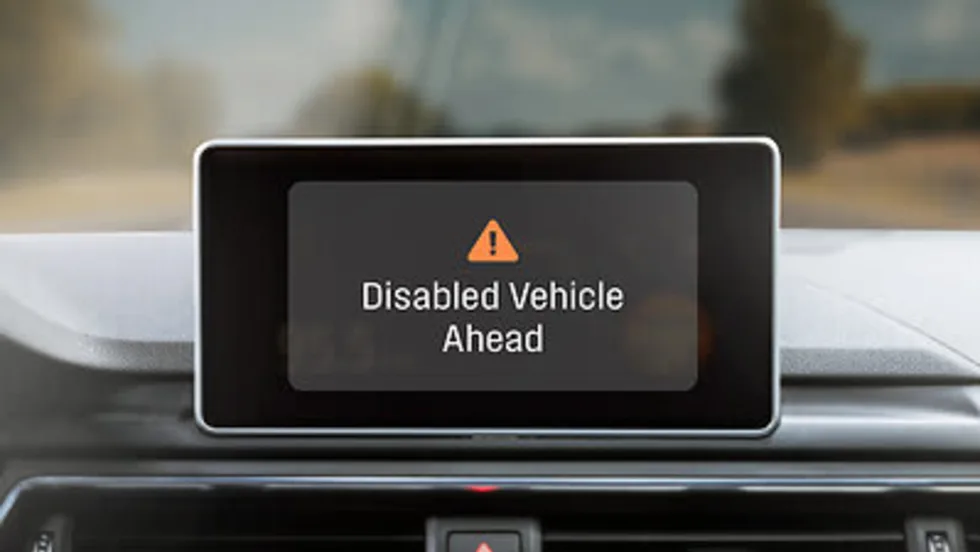
Roadside Warnings Debut
Mazda works with AAA and a technology company to alert passersby to stranded vehicles from its lineup, for both parties’ safety.
Read More →
AI As Trainer?
This month, Agent Entrepreneur Editor Hannah Mitchell shares an artificial-intelligence development that could upend traditional dealership training.
Read More →
A Lingering Auto Tech Divide
Automakers still struggle to hit consumers’ sweet spot, hanging onto the despised touchscreen and adding other complex systems while simple, effective details hit the mark.
Read More →
AI, China and the Next Wave of Auto Retail Innovation
F&I sits at the center of the changes expected to sweep the industry in just the new few years as new players change the game.
Read More →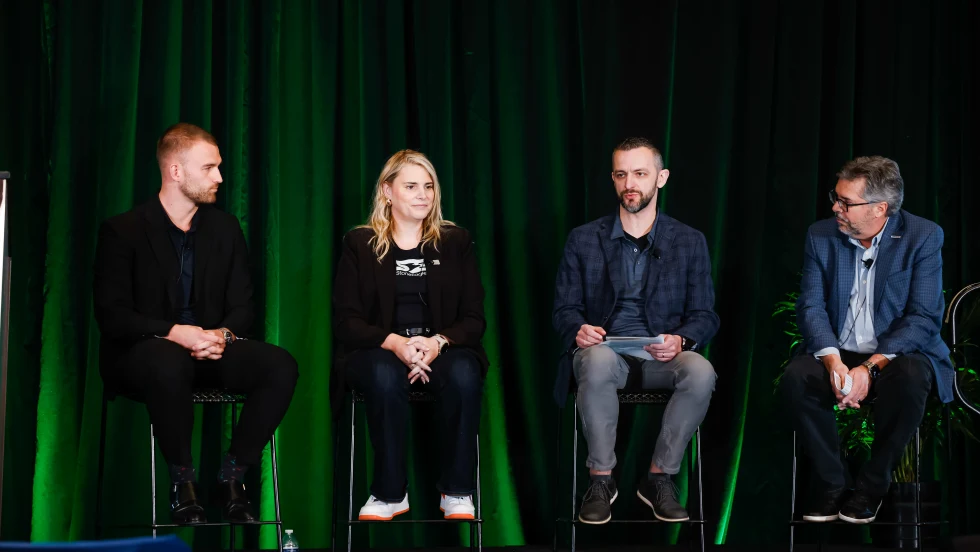
That Bot Can Do a Lot
Artificial intelligence was all the buzz at the 2026 Agent Summit. A panel of tech specialists broke through the noise to give agents guidance on steering dealer clients.
Read More →
Cyber F&I
Your dealer clients could only benefit from showcasing products on their websites along with vehicle inventory. Modern consumers expect to be informed and are more likely to buy products when they are.
Read More →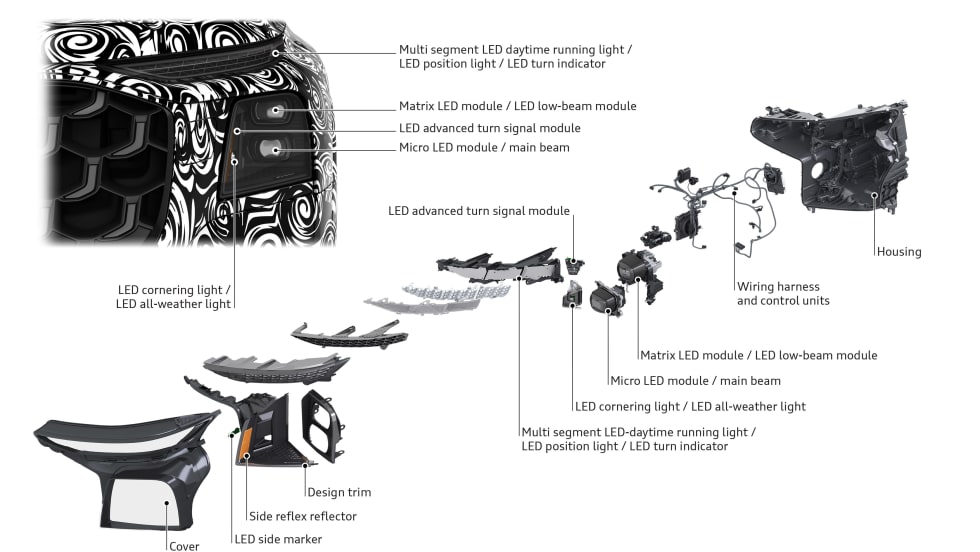
Road Glare to Drop a Notch?
Audi is preparing two SUV models for the American market with the automaker’s adaptive LED headlights. Its technology is designed to reduce brightness for other drivers, a growing complaint among U.S. motorists.
Read More →
AppOne Partners With RouteOne for E-Contracting Solution
By digitizing the entire contracting and funding process, the company says auto dealers can eliminate frustrating and disorganized manual processes.
Read More →