



Blockade of Ambassador Bridge Costs Auto Industry Millions
Total losses add up to $300 million, with a $155 million hit to automakers and $145 million in lost direct wages.

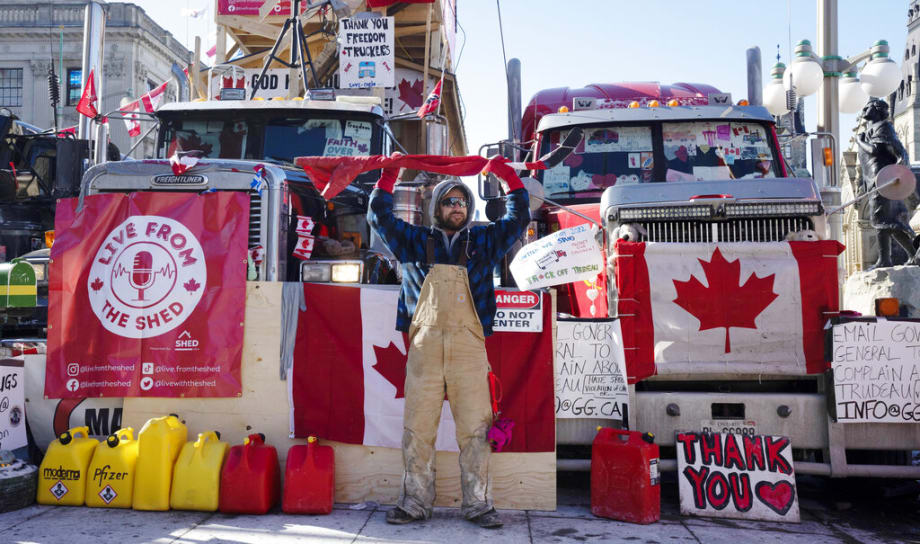
When protests forced the shutdown of the Ambassador Bridge last week in Canada, the event cost the automotive industry millions and left everyone wondering who will cover the cost of this crisis.
Direct industry losses amounted to $300 million. The auto industry suffered a $155 million hit and there were $145 million in lost direct wages due to plant shutdowns, according consulting firm Anderson Economic Group LLC.
The bridge, situated between Detroit and Windsor, reopened Sunday after a six-day shutdown, but experts predict the impacts will linger for months along with the threat of future closures. Canada's Prime Minister Justin Trudeau invoked emergency powers Monday to stop citizen protests over excessive COVID-19 measures.
"Within hours of the trade disruption at the Ambassador and Blue Water bridges, we observed shortages and then slowdowns at assembly plants," Patrick Anderson, CEO of Anderson Economic Group, said in a news release. "Only some of that lost production can be made up given the tightness of the auto industry's supply chain right now, so these are real losses to the men and women working in this industry."
The latest event is another force majeure to hit the industry during a period of unprecedented supply chain disruption, say legal experts, who say force majeure — an unforeseeable circumstance preventing a contract from being filled — is the likely defense for suppliers unable to move parts across the bridge.
Contract disputes between automakers and suppliers are becoming all too common with supply disruptions in the last two years.
Some suppliers flew parts back and forth during the Ambassador Bridge closure, but air freight can cost 10 times more than moving parts on trucks. The measures kept assembly lines running but OEMs and suppliers will eventually have to sort out who pays the bill.
Recently supply chain disruptions have exposed cracks in the supply chain and have given companies have a better idea how to handle them, said Michael Brady, co-chair of the automotive industry group at Warner Norcross + Judd, told Automotive News.
"It's a different cause, but the same type of interruption in the supply chain," Brady said. "Whether it's the bridge getting shut down or the ports being jammed, it all results in parts not getting to customers in time. I think if this would have happened pre-COVID, you would have seen a much worse reaction from everybody in the supply chain. Everybody knows how to deal with these things better."
Who bears the cost will come down to supplier-customer relationships and contract terms. Brady advises automakers take a wait-and-see approach while making they understand their contractual rights.
Originally posted on Auto Dealer Today
More Industry

Ohio Auto Group Under New Ownership
After 79 years with the Schluter family, Mansfield Auto Group has been acquired by Missouri-based Clement Auto Group.
Read More →
RV Group Expands Carolina Footprint
Blue Compass RV Columbia Northeast is the 13th RV dealership owned by Blue Compass in the Carolinas.
Read More →
Agent Acumen
An Agent Summit panel of people who’ve been supporting auto dealers for years gave both timely and timeless advice for those starting out or mulling the prospect.
Read More →
Missed Maintenance Creates Opportunity
As families get back on the road and into daily school routines, service drives have an opportunity to capture customers who are behind on recommended vehicle maintenance.
Read More →
Mitsubishi Unveils U.S. Plan
The automaker announced a strategy that includes an expanded lineup and dealership presence, along with more ‘rugged’ and electric models.
Read More →
Selling to Grow
The question of whether you should sell your agency and if so, when, is up to you. But it’s a question worth asking to ensure you keep the business on the right path for yourself, employees and clients.
Read More →
Recalled Vehicles Hit 5-Year High
Though the number of events has fallen so far this year, impacted units are up significantly. Meanwhile, regulators consider consumer notification changes.
Read More →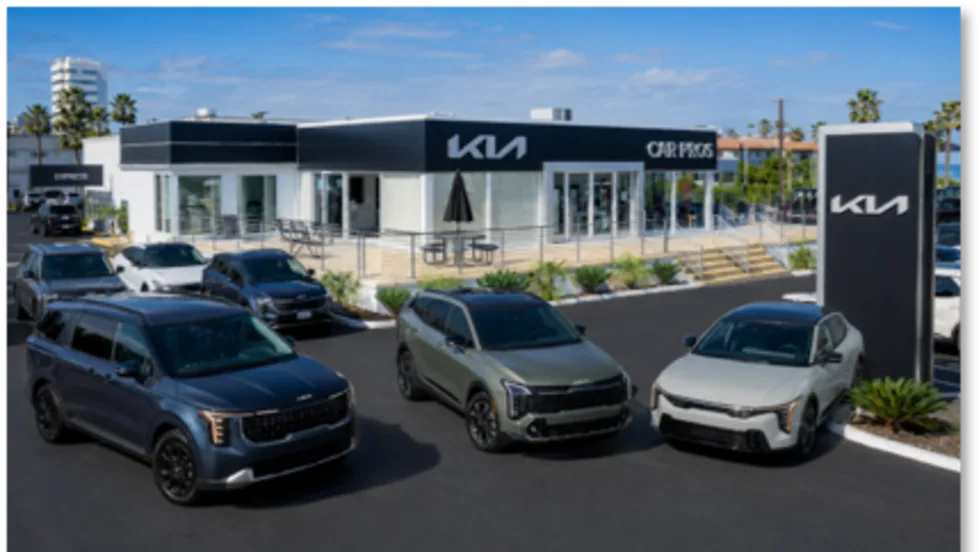
Auto Group Acquires Top-Performing Rooftop
Car Pros sold its Kia Huntington Beach location to Sutherlin Automotive Group, marking the buyer’s third location in Southern California.
Read More →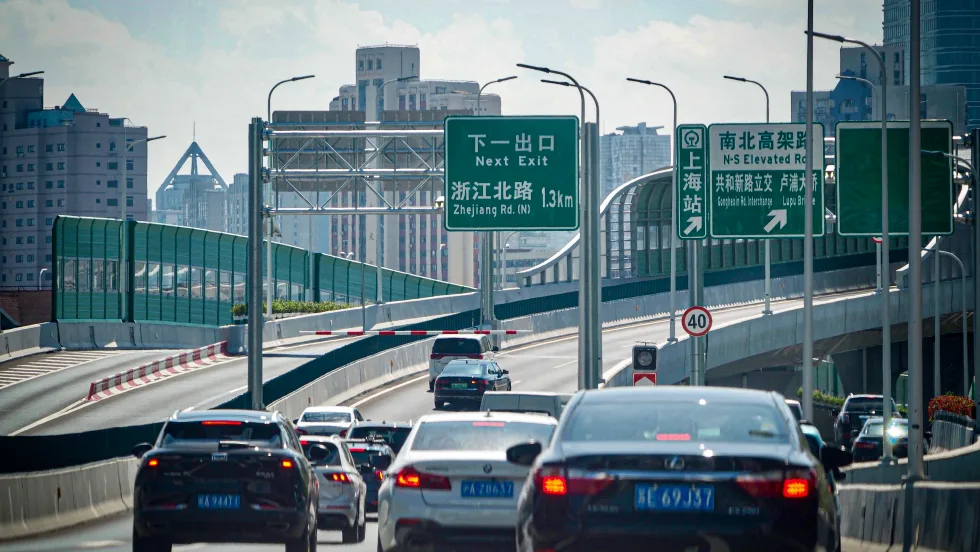
China as Pacesetter
Automotive leaders huddled on where North America stands in the global picture and how it can strengthen its position against the Asian juggernaut’s surging industry.
Read More →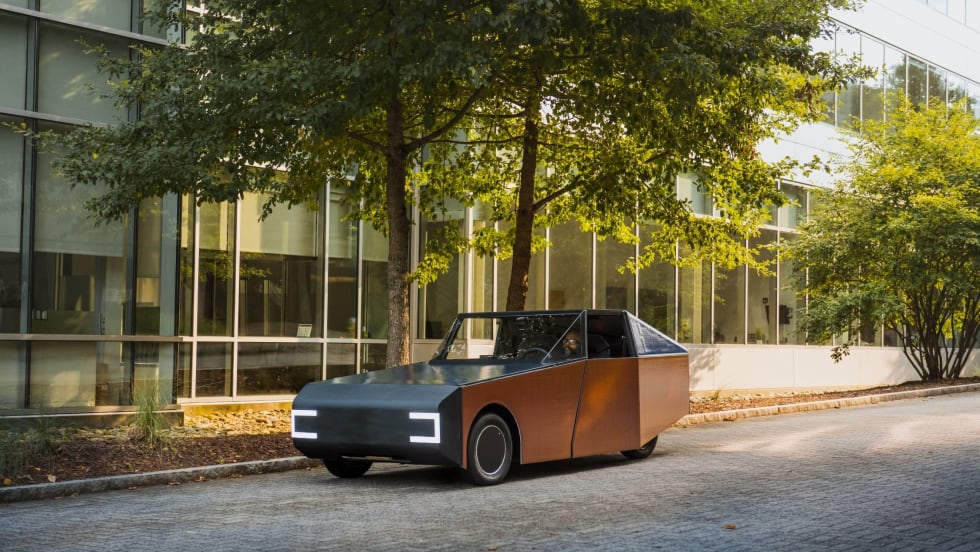
BMW Concept Car Makes Fuel to Burn
The prototype developed in concert with a South Carolina university engineering team generates more solar energy than it uses in a typical daily commute.
Read More →