



Auto Insurance Inflation Could Worsen
Trade tariffs may add to severe weather costs, just as rates had been normalizing following the pandemic.


Severe weather has also pushed up insurance rates, the Insurify report said.
Pexels/Mike Bird
Just as the cost of car insurance had started to stabilize after post-pandemic rate increases, trade tariffs threaten to drive them back up, according to an Insurify forecast.
The insurance comparison-shopping website expects the average cost of full coverage to rise 4% on a nationwide basis by the end of the year and by 7% if tariffs significantly dent insurers’ bottom lines.
The impact, added to overall inflation costs consumers are facing, would be layered on top of a more than 40% average annual insurance cost increase from 2022 to 2024 as driving normalized after the pandemic, which inflated auto parts costs, Insurify said.
The insurance inflation started to plateau midyear last year, and more than half of states’ rates actually fell in the first half of this year, but U.S. trade tariffs have again raised auto parts prices due to the duties on foreign-sourced materials.
In addition, severe weather, including wildfires and hurricanes, are adding to insurance costs. January fires in Los Angeles destroyed up to 6,300 vehicles, Insurify said, and 2024 Florida hurricane damage brought over 100,000 in auto insurance claims.
A 4% increase in the average national full-coverage insurance cost would amount to a $2,402 annual premium, while a 7% increase would bring the total to $2,472.
“The size of that increase will depend in part on the extent to which tariffs influence premiums,” the report said.
Insurers achieved more rate increases than cuts in the first half of the year, adding to the outlook for average premium hikes, Insurify reported.
Originally posted on F&I and Showroom
More F&I

To Include Products in the First Pencil or Not
In this month's Under the Hood, Editor Hannah Mitchell examines a question many auto dealers have been asking since Federal Trade Commission enforcement intensified this year.
Read More →
Get Ahead of the Change
A strong culture, among other things, will be a key differentiator for auto dealerships as the market speeds ahead to new heights, says industry veteran Joel Kansanback.
Read More →
F&I Without the Handoff
Get more familiar with what your dealer clients are really buying when they entrust you with finance-and-insurance.
Read More →
Affordability Shapes Auto Demand
Auto originations increased 1% in the first quarter, and electric vehicles are rebounding, according to TransUnion's latest credit report.
Read More →
The Evolution of Agency Development in Modern F&I
General agents have a different roadmap for success than their predecessors. It will pay for them to follow it in order to be true dealer partners.
Read More →
Four-Figure Loan Payments on the Rise
A LendingTree analysis found that location, age and credit score play a role in the rising amount of auto loan borrowers who make monthly payments of $1,000 or more.
Read More →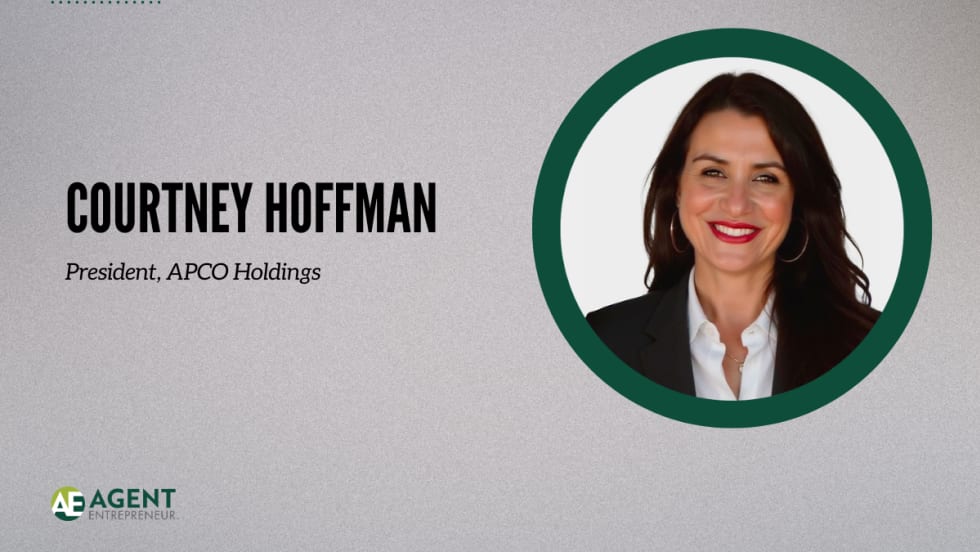
APCO Holdings Acquires Fidelity Dealer Services
The finance-and-insurance product provider says the addition strengthens EasyCare’s reach across key markets.
Read More →
Tariffs Could Raise Insurance Premiums
As U.S. import tariffs affect repair costs, consumers might find it more affordable to replace a damaged vehicle, according to recent Insurify tariff analysis.
Read More →
Smaller Loans, Longer Terms
The youngest generation of car buyers is more likely to finance less expensive vehicles, more than half of generation Z consumers borrowing less than $25,000.
Read More →
Ensure Your Clients Are Sure About Reinsurance
Industry experts recently broke down the complicated profit center at Agent Summit. Learn what’s relevant and what’s new to share with your dealers.
Read More →