



Auto Execs Say Consumer Demand Remains Strong
GM and Ford top execs say U.S. consumer demand for cars and trucks remains strong, despite soaring interest rates and gas prices.


GM Chief Financial Officer Paul Jacobson
GM
General Motors Co. and Ford Motor Co. top execs say U.S. consumer demand for cars and trucks remains strong, despite soaring interest rates and record high gas prices.
The Federal Reserve boosted U.S. rates on Wednesday to combat a surge in consumer prices. Rate hikes, costly gas and inflation have spelled disaster for Detroit's automakers in the past.
"We have not seen signs of weakening demand," GM Chief Financial Officer Paul Jacobson told investors at a Deutsche Bank conference. New vehicle prices are high while inventories of unsold cars and trucks remain at historic lows, he said.
GM has offset $5 billion in higher supply chain costs by raising prices and cutting expenses, Jacobson said. He reaffirmed GM's earlier financial targets and its goa to increase vehicle production for 2022 by 25-30% over 2021.
Ford Chief Financial Officer John Lawler reported demand remains strong as prices stay steady.
But Ford’s credit arm, he says, has started to see loan delinquencies increase, a potential indicator of softer demand. He added that the higher delinquencies are not a concern yet because of extremely low delinquencies before.
Both Lawler and Jacobson reported low inventory will benefit their companies if U.S. economy head into a recession.
Jacobson said GM executives are watching for signs of a slowdown while Lawler said Ford has done modeling on the potential impact of both moderate and severe recessions.
Low inventories are a benefit if a recession occurs. In the past, the Detroit automakers and their dealers carried two to three months' worth of vehicles on their lots. When the recession decreased demand, they were forced to offer deep discounts to sell old vehicle models.
"We are not going to go back to the high inventories that we had in the past. We've targeted 45 to 55 days and we're going to stick to that," Lawler said.
GM's also is taking a cautious approach to adding staff, and is reviewing capital spending plans, Jacobson said. He maintained the company would not cut long-term investments in electric vehicles, software and other new technology that may drive revenue growth.
Originally posted on Auto Dealer Today
More Sales

September Payments Reach New Heights
Despite lower interest rates and longer loan terms, the average new-vehicle monthly payment continues to climb, and transaction prices remain high.
Read More →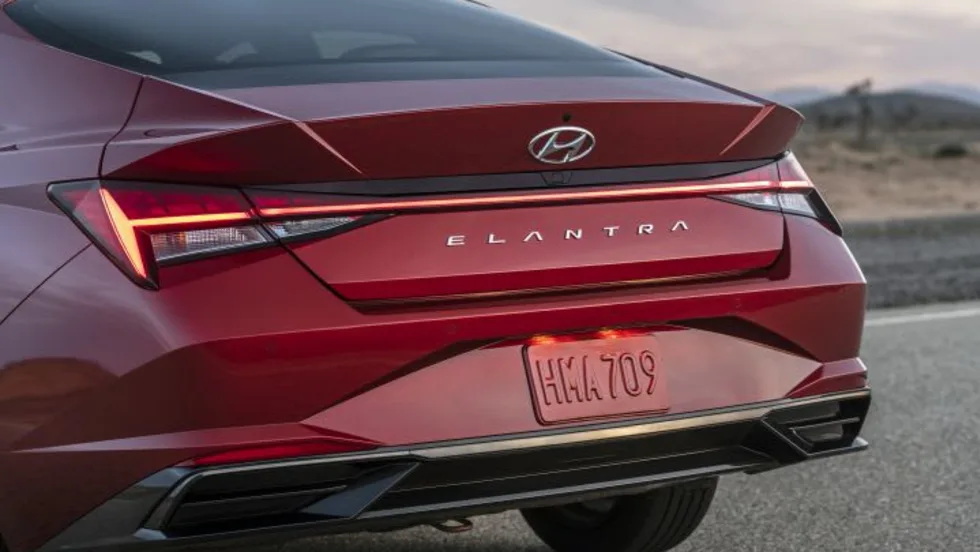
Used Lots Getting the Business
Many consumers are seeking out the units to save money, and the demand – higher in July than normal – is keeping supply limited and prices up.
Read More →
Two Kinds of Agents and the 5 Ps That Separate Them
Follow these key guidelines to distinguish your agency from competitors by adding more value to your dealer clients' businesses.
Read More →
Positive Equity Reaches Record High
Mainstream vehicle owners who bought a car seven years ago are likely to have positive equity when trading in for a new vehicle, according to second-quarter Edmunds data.
Read More →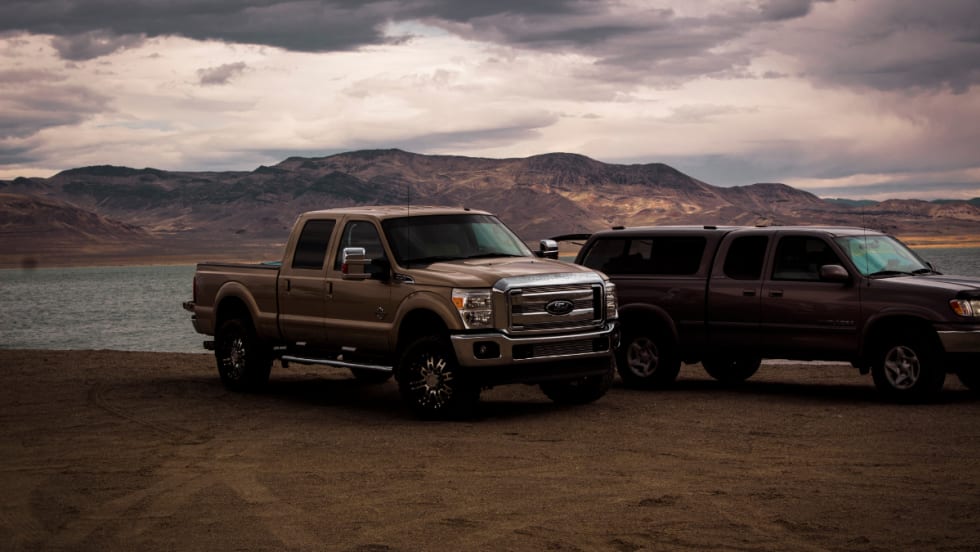
Used Market Stabilizes
The Carfax Used Car Index noted a major drop in used-vehicle price increases in July after several months of hikes.
Read More →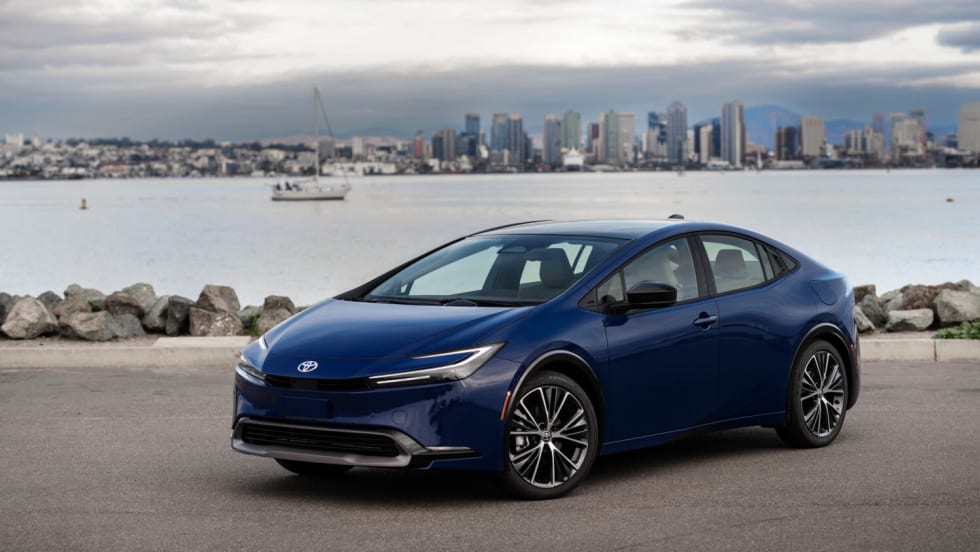
July Auto Sales Simmer
Deliveries were up modestly from a year ago despite still-high prices as OEMs offered more incentives and loan rates eased somewhat.
Read More →
Used Sales Hit Summer Drag
The vacation season, combined with high prices, has dented deliveries and added to inventories, though supply is still slim enough to keep listings elevated.
Read More →
June Automotive Boon?
A forecast for this month’s new-vehicle sales tells a familiar 2026 story: Year-over-year comparisons must be made in light of last year’s aberrations.
Read More →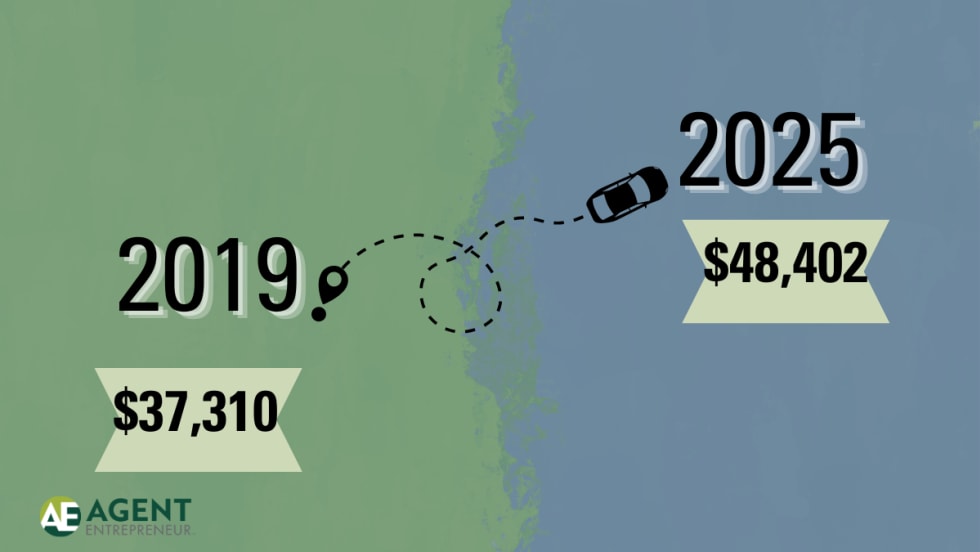
Affordable New Cars a Thing of the Past
More than one out of five new vehicles sell for more than $60,000, according to Edmunds. That's up 7% compared to prepandemic 2019.
Read More →
Legacy Automakers Risk Falling Behind
As legacy automakers, mostly in the U.S. and Japan, have revised their 2030 electric-vehicle sales targets and shifted to a hybrid focus, they risk falling behind new market leaders.
Read More →