



American-Made EV Sales Soar in January
Tax credit change that requires EVs be assembled in North America cited for the surge.

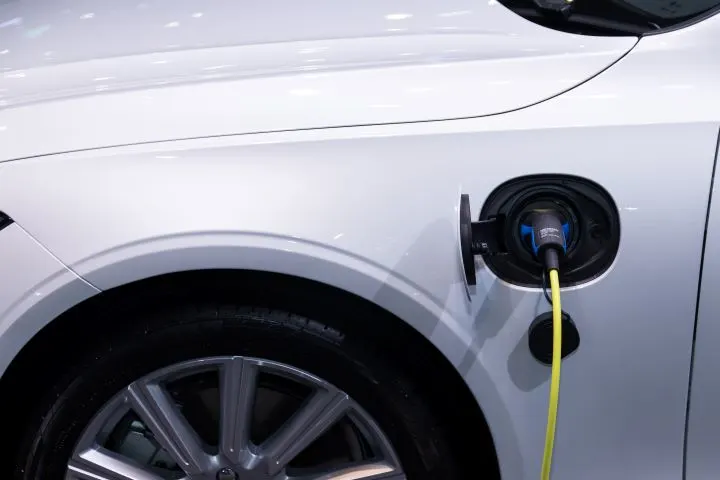
More customers will be charging an EV as jumped 7.1% in January.
Rathaphon Nanthapreecha
The Inflation Reduction Act’s revised electric vehicle standards are driving buyers to North American-made electric vehicles versus imported EVs from Hyundai and Kia, according to Experian new-vehicle registration data.
The act changed eligibility for the U.S. federal tax credit of up to $7,500 as of August. Now EVs must be assembled in North America to qualify.
Experian reported the top eight EVs in January were manufactured in North America. They include three Tesla models, two Ford EVs, and the Volkswagen ID4 crossover that entered production in Chattanooga last year.
The Hyundai Ioniq 5 crossover fell to ninth place from seventh, while Kia's Korean-made EV6 fell off the top 10 EVs in January after holding the eighth slot for all of 2022, according to Experian.
New EV registrations in January grew by almost 3%, from 4.3% to $7% of the U.S. light-vehicle market. Dealers sold 87,708 units compared to 50,338 a year earlier. By comparison, Experian showed new registrations for all light vehicles, regardless of fuel type, were at 1.24 million.
The tax credit revisions have slowed the growth of Korean imports from Hyundai Motor Group, which for much of 2022 ran second to Tesla.
Experian data also showed that in January:
Tesla saw its EV market share fall from 74% to 57%.
Chevrolet captured the second spot with an 8.5% share.
Ford took third with 7.7%.
Volkswagen came in fourth at 4.6% of the market.
Hyundai came in fifth with 3% market share.
On Jan. 1, the new incentive became available to Tesla and General Motors again. The automakers had lost the tax break because they had reached the manufacturer quota of 200,000 vehicles under the old rules.
The only unknown that remains with the act is the tax incentive rules for battery sourcing, which the government hasn’t yet finalized. The new rules could reduce the credit to $3,750 for some models made in North America.
Many automakers are moving more EV and battery production to North America, which could quickly reverse the trends and move Kia and Hyundai to the top 10 again. Hyundai Motor Group has already announced plans to open EV and battery plants in North America.
The EV price war also ramped up sales for Tesla, which slashed prices across its lineup in mid-January to boost sales as it scales up U.S. vehicle production at a new factory in Austin, Texas. Chevrolet also trimmed the sticker price of its Bolt EV and larger Bolt EUV.
Tesla doesn't break out EV sales by model, so new-vehicle registration numbers provide the most accurate sales by model estimates available.
The Tesla's Model Y crossover took the top spot with 28,833 new registrations, a 56% year-over-year increase. The Tesla Model 3 sedan took the second spot with 17,526 new registrations, a 29% increase. Together, the Model 3 and Model Y represented 53% of all EV registrations in January. The figure is a 64% year-over-year drop.
The Chevrolet Bolt models captured two spots in the top 10. The Bolt EUV took third place with 4,928 registrations and the Bolt EV took eighth place with 2,526.
Volkswagen's ID4 held the fourth spot with 4,049 registrations compared with 1,153 a year earlier, an increase of 251%.
Ford's Mustang Mach-E crossover slipped from third place for full-year 2022 to fifth in January. Still, the Mach-E's 3,286 registrations for the month were up 19% year-over-year. Ford had a second vehicle in the top 10 for the first time: The F-150 Lightning pickup took sixth place with 2,918 registrations.
Originally posted on Auto Dealer Today
More Product & Technology
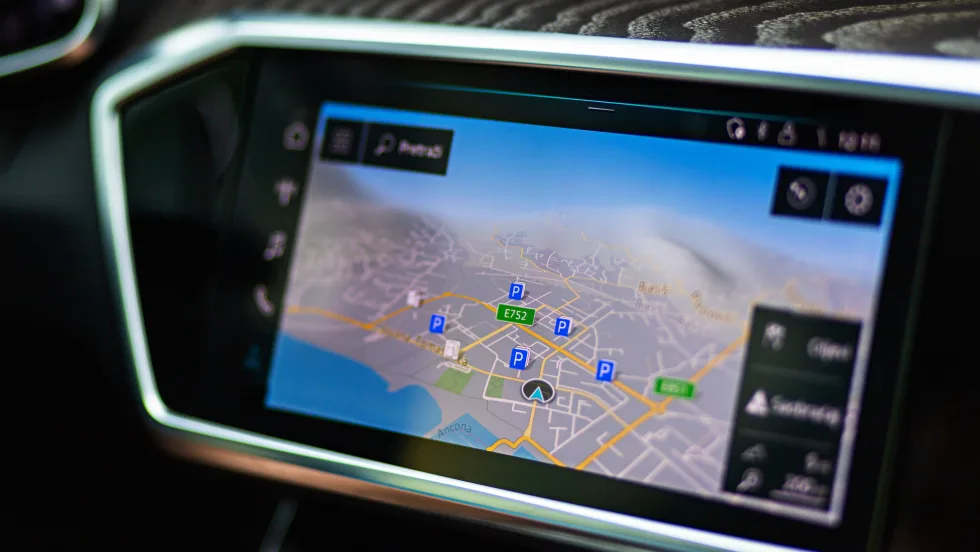
Computer Headaches on the Road
Consumers keep complaining about new cars’ infotainment tech, but are automakers listening? A recent survey shows regression except for mapping and speakers.
Read More →
Another Death Tied to Imported Air Bags
The Texas traffic fatality is the 11th federal regulators have connected to defective inflators imported from China. They urge that a certain population of used vehicles be inspected.
Read More →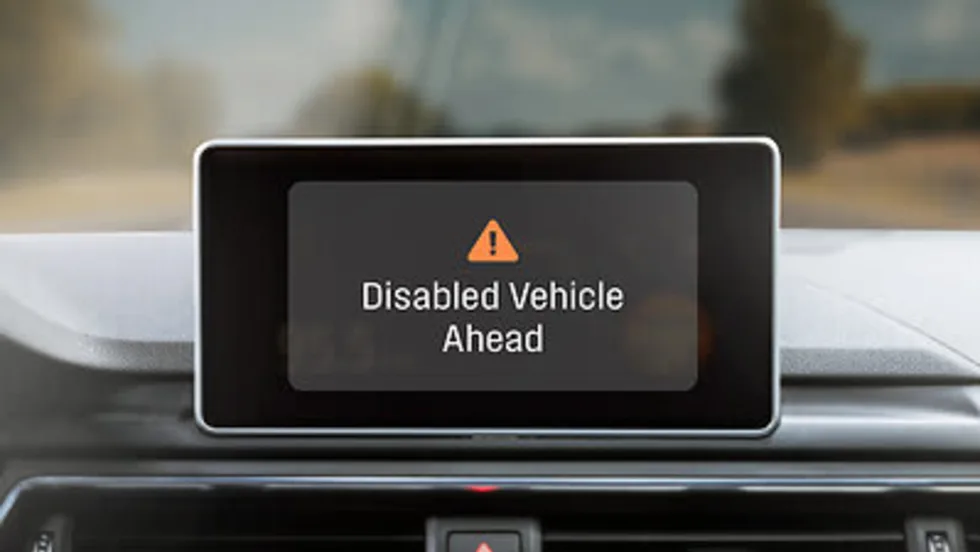
Roadside Warnings Debut
Mazda works with AAA and a technology company to alert passersby to stranded vehicles from its lineup, for both parties’ safety.
Read More →
AI As Trainer?
This month, Agent Entrepreneur Editor Hannah Mitchell shares an artificial-intelligence development that could upend traditional dealership training.
Read More →
A Lingering Auto Tech Divide
Automakers still struggle to hit consumers’ sweet spot, hanging onto the despised touchscreen and adding other complex systems while simple, effective details hit the mark.
Read More →
AI, China and the Next Wave of Auto Retail Innovation
F&I sits at the center of the changes expected to sweep the industry in just the new few years as new players change the game.
Read More →
That Bot Can Do a Lot
Artificial intelligence was all the buzz at the 2026 Agent Summit. A panel of tech specialists broke through the noise to give agents guidance on steering dealer clients.
Read More →
Cyber F&I
Your dealer clients could only benefit from showcasing products on their websites along with vehicle inventory. Modern consumers expect to be informed and are more likely to buy products when they are.
Read More →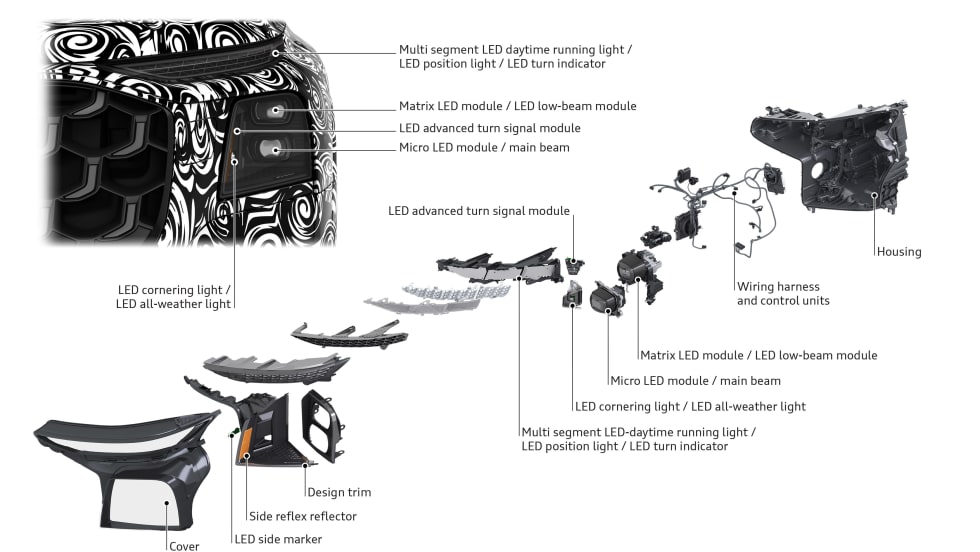
Road Glare to Drop a Notch?
Audi is preparing two SUV models for the American market with the automaker’s adaptive LED headlights. Its technology is designed to reduce brightness for other drivers, a growing complaint among U.S. motorists.
Read More →
AppOne Partners With RouteOne for E-Contracting Solution
By digitizing the entire contracting and funding process, the company says auto dealers can eliminate frustrating and disorganized manual processes.
Read More →