



Ally Reaches $98M Settlement with DOJ, CFPB for Lending Discrimination

Detroit — The Department of Justice (DOJ) and the Consumer Financial Protection Bureau (CFPB) announced Friday the federal government’s largest auto loan discrimination settlement in history to resolve allegations that Detroit-based Ally Financial Inc. and Ally Bank have engaged in an ongoing nationwide pattern or practice of discrimination against African-American, Hispanic and Asian/Pacific Islander borrowers in their auto lending since April 1, 2011.
The agreement is the first joint fair lending enforcement action by the department and CFPB. With this agreement, eight of the top 10 largest fair lending settlements in the department’s history have been under U.S. Attorney General Eric Holder’s leadership.
The settlement provides $80 million in compensation for victims of past discrimination by one of the nation’s largest auto lenders, and requires Ally to pay $18 million to the CFPB’s Civil Penalty Fund. Ally also must refund discriminatory overcharges to borrowers for the next three years unless it significantly reduces disparities in unjustified interest rate markups. This system will create a strong financial incentive to eliminate discriminatory overcharges.
“With this largest-ever settlement in an auto loan discrimination case, we are taking a firm stand against discrimination in a critical lending market,” said Holder. “By requiring Ally to provide refunds to those who are overcharged because of their race or national origin, this agreement will ensure relief for Americans who are victimized. It will enable the Justice Department and the CFPB to work closely with Ally and others to prevent discriminatory practices in the future. And it will reinforce our determination to respond aggressively to discrimination in America’s lending markets — wherever it is found.”
The settlement resolves claims by the department and the CFPB that Ally discriminated by charging approximately 235,000 African-American, Hispanic and Asian/Pacific Islander borrowers higher interest rates than non-Hispanic white borrowers. The agencies claim that Ally charged borrowers higher interest rates because of their race or national origin, and not because of the borrowers’ creditworthiness or other objective criteria related to borrower risk.
The average victim paid between $200 and $300 extra during the term of the loan. The Equal Credit Opportunity Act (ECOA) prohibits such discrimination in all forms of lending, including auto lending. Ally’s settlement with the DOJ, which is subject to court approval, was filed in the U.S. District Court for the Eastern District of Michigan in conjunction with the DOJ’s complaint. Ally resolved the CFPB’s claims by entering into a public administrative settlement.
“Discrimination is a serious issue across every consumer credit market,” said CFPB Director Richard Cordray. “We are returning $80 million to hard-working consumers who paid more for their cars or trucks based on their race or national origin. We look forward to working closely with the Justice Department and Ally to make sure this serious issue will be addressed appropriately in the years ahead as well.”
Rather than taking applications directly from consumers, Ally makes most of its loans through over 12,000 car dealers nationwide who help their customers pay for their new or used car by submitting their loan application to Ally. Ally’s business practice, like most other major auto lenders, allows car dealers discretion to vary a loan’s interest rate from the price Ally initially sets based on the borrower’s objective credit-related factors.
Dealers receive greater payments from Ally on loans that include a higher interest rate markup. The coordinated investigations by the department and the CFPB that preceded the settlement determined this system of subjective and unguided pricing discretion directly results in Ally’s qualified African-American, Hispanic and Asian/Pacific Islander borrowers paying more than qualified non-Hispanic white borrowers.
The agencies claim that Ally fails to adequately monitor its interest rate markups for discrimination or require dealers to document their markup decisions. Ally’s first effort to monitor for discrimination in interest rate markups began only earlier this year after it learned of the CFPB’s preliminary findings of discrimination, and resulted in only two dealers being sanctioned and subjected to nothing more than voluntary training.
“Ally does not make loans directly to consumers, but rather, it purchases installment contracts originated by auto dealers,” Ally said in a statement. “Ally’s long-time process for evaluating auto installment contracts from dealers does not include information on a consumer’s race or ethnicity. Ally assesses these contracts and sets pricing based solely on a consumer’s creditworthiness and contract characteristics.
“The CFPB and DOJ assert that pricing disparity has occurred for certain protected classes of consumers as a result of the auto dealer’s ability to mark-up Ally’s rate at which it buys a retail installment contract,” the statement continued. “The CFPB and DOJ also assert that Ally has responsibility for the conduct of its dealer customers and allege that Ally has not sufficiently monitored the pricing practices of its dealer customers.
“Ally does not engage in or condone violations of law or discriminatory practices, and based on the company’s analysis of its business, it does not believe that there is measurable discrimination by auto dealers.”
The settlement represents the first resolution of the department’s joint effort with the CFPB to address discriminatory auto lending practices. The 2010 Dodd-Frank Act gave both the DOJ and the CFPB authority to take action against large banks like Ally for violating the ECOA. Although the department has filed previously filed lawsuits alleging violations of ECOA involving car loans, today is the first ECOA lawsuit against an auto lender that operates nationwide.
“This settlement provides relief to those who were harmed by this discrimination,” said U.S. Attorney for the Eastern District of Michigan Barbara McQuade. “Lenders must consider an individual borrower’s credit worthiness, based on income, savings, credit history and other objective factors when determining the terms of a loan. This settlement will ensure that in the future, borrowers will be able to obtain loans from Ally based on their own credit history free from discrimination based on race or national origin.”
In addition to the $98 million in payments for its past conduct and requirement to refund future discriminatory charges, the settlement requires Ally to improve its monitoring and compliance systems. The settlement allows Ally to experiment with different approaches toward lessening discrimination and requires it to regularly report to the department and the CFPB on the results of its efforts as well as discuss potential ways to improve results.
The settlement provides for an independent administrator to locate victims and distribute payments of compensation at no cost to borrowers whom the department and the CFPB identify as victims of Ally’s discrimination. The department and the CFPB will make a public announcement and post information on their websites once more details about the compensation process become available. Borrowers who are eligible for compensation from the settlement will be contacted by the administrator, and do not need to contact the department or the CFPB at this time.
More Industry

Penske Auto Group Deal a Record
The deal to take the dealership and transportation services company private sets a new pace for industry buy-sell transactions.
Read More →
War Toll a Damper on Used Auto Prices
Cox Automotive found wholesale depreciation to be elevated in September amid high fuel prices and this year's unusual hurricane season.
Read More →
Bridge the Maintenance Gap
With many drivers missing recommended maintenance, service departments offering transparency and efficiency have a better chance of reaching financially strained consumers.
Read More →
California Store Has New Owner
The longtime dealership in the northern part of the state is known for robust fleet sales and has served the state capital for 115 years.
Read More →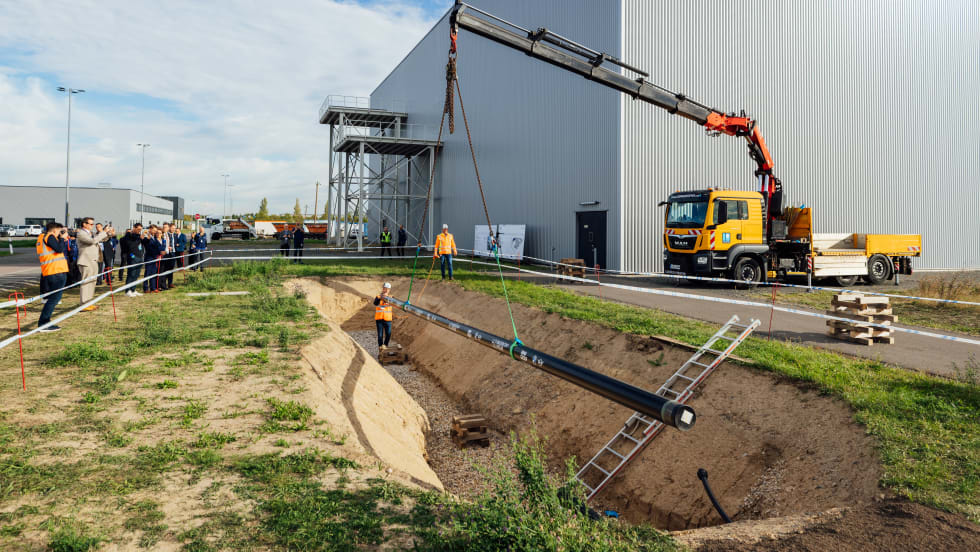
BMW Plant Pursues Cleaner Energy
BMW Group Plant Leipzig has utilized hydrogen to help power its production since 2013, but a new pipeline is planned to take it to another level.
Read More →
Auto Affordability Inches Up
The latest Cox Automotive and Moody’s Analytics index shows a slight increase in new-vehicle affordability despite high prices.
Read More →
Ohio Auto Group Under New Ownership
After 79 years with the Schluter family, Mansfield Auto Group has been acquired by Missouri-based Clement Auto Group.
Read More →
RV Group Expands Carolina Footprint
Blue Compass RV Columbia Northeast is the 13th RV dealership owned by Blue Compass in the Carolinas.
Read More →
Agent Acumen
An Agent Summit panel of people who’ve been supporting auto dealers for years gave both timely and timeless advice for those starting out or mulling the prospect.
Read More →
Missed Maintenance Creates Opportunity
As families get back on the road and into daily school routines, service drives have an opportunity to capture customers who are behind on recommended vehicle maintenance.
Read More →