



ALG: Mercury's Residual Values to Be Impacted Less than Other Terminated Brands

SANTA BARBARA, Calif. - ALG, a subsidiary of DealerTrack Holdings, Inc. expects some negative impact on residual values of Mercury vehicles due to the brand's recent termination by Ford Motor Co. The impact is anticipated to be relatively modest at 2.5 to 3 percentage points of MSRP over the next three years.
ALG has studied the residual value impact of terminations of previous brands, such as Eagle, Plymouth, Oldsmobile and Isuzu, as well as the recently terminated Pontiac and Saturn. It has found that residual values for three-year-old vehicles of these brands consistently underperform those of their parent OEMs and the industry overall for a period of one to three years after the termination announcements. The impact depends to some extent on the mix of used models on the market, and the sales strategy prior to termination. Historically, the impact on residual values averages about 5 percentage points, but is sometimes as high as 10 percentage points.
However, Mercury has some positive factors driving residuals in its favor. Mercury's low sales volume - accounting for less than 1% of the U.S. auto market - means that the supply should be absorbed quickly in the used vehicle market. ALG's Brand Value and Perceived Quality metrics for Mercury have been trending steadily upwards over the past few years, indicating stronger demand. In 2010, days' supply and incentives have been relatively low, also supporting the conclusion of strong demand prior to the termination announcement.
"Historically, the impact of brand termination on residual values averages about 5 percentage points, but due to Mercury's low volume and stronger demand indications prior to the announcement, we expect its residual values to be impacted by only 2.5 to 3 percentage points over the next 36 months, with the majority of the decline in the first 12 months," said Matt Traylen, ALG's chief economist.
More Industry

Auto Affordability Inches Up
The latest Cox Automotive and Moody’s Analytics index shows a slight increase in new-vehicle affordability despite high prices.
Read More →
Ohio Auto Group Under New Ownership
After 79 years with the Schluter family, Mansfield Auto Group has been acquired by Missouri-based Clement Auto Group.
Read More →
RV Group Expands Carolina Footprint
Blue Compass RV Columbia Northeast is the 13th RV dealership owned by Blue Compass in the Carolinas.
Read More →
Agent Acumen
An Agent Summit panel of people who’ve been supporting auto dealers for years gave both timely and timeless advice for those starting out or mulling the prospect.
Read More →
Missed Maintenance Creates Opportunity
As families get back on the road and into daily school routines, service drives have an opportunity to capture customers who are behind on recommended vehicle maintenance.
Read More →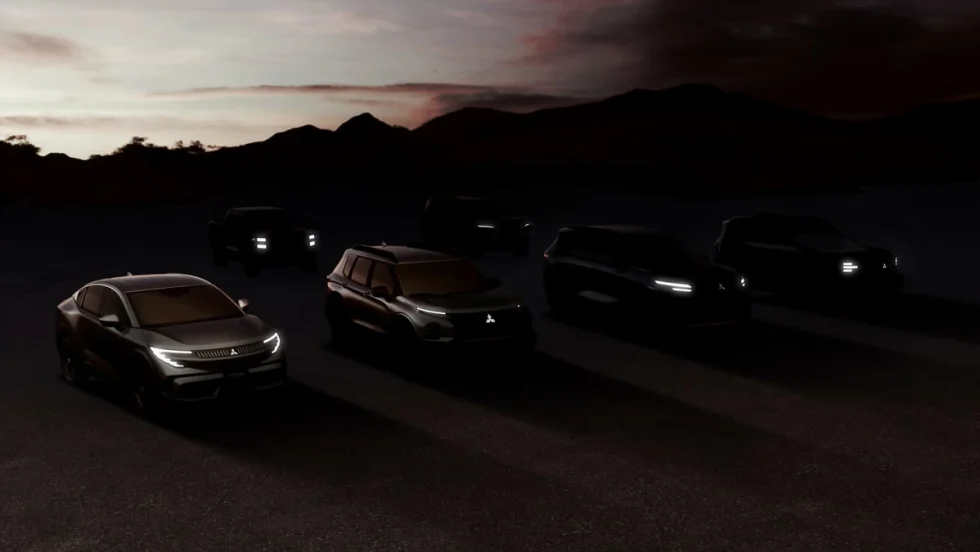
Mitsubishi Unveils U.S. Plan
The automaker announced a strategy that includes an expanded lineup and dealership presence, along with more ‘rugged’ and electric models.
Read More →
Selling to Grow
The question of whether you should sell your agency and if so, when, is up to you. But it’s a question worth asking to ensure you keep the business on the right path for yourself, employees and clients.
Read More →
Recalled Vehicles Hit 5-Year High
Though the number of events has fallen so far this year, impacted units are up significantly. Meanwhile, regulators consider consumer notification changes.
Read More →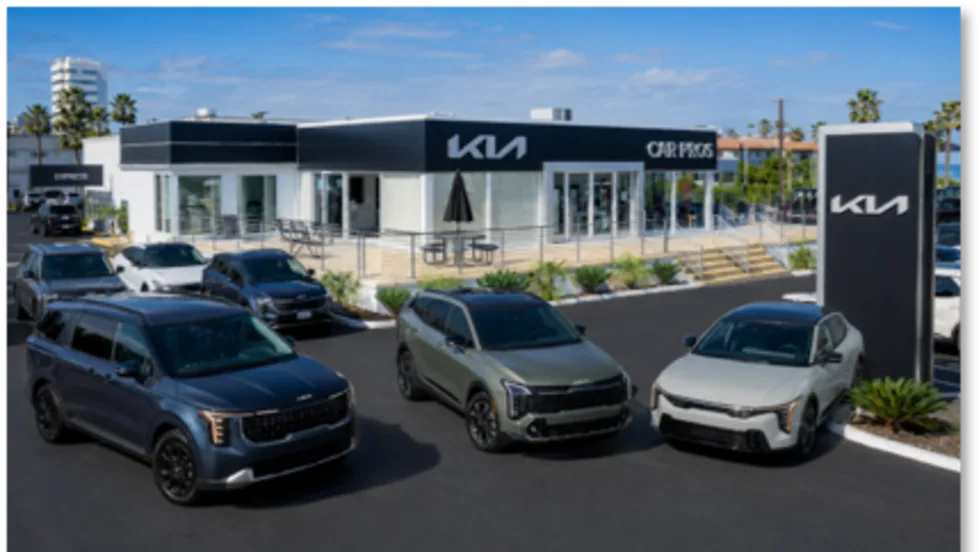
Auto Group Acquires Top-Performing Rooftop
Car Pros sold its Kia Huntington Beach location to Sutherlin Automotive Group, marking the buyer’s third location in Southern California.
Read More →
China as Pacesetter
Automotive leaders huddled on where North America stands in the global picture and how it can strengthen its position against the Asian juggernaut’s surging industry.
Read More →