



What Video Advertising Means for the Future of Car Dealerships
Dealers need to get creatively ahead of the curve by meeting shoppers where they are, and that may be by means of video.

Dealers need to get creatively ahead of the curve by meeting shoppers where they are, and that may be by means of video.
Photo©GettyImages.com/Andi_Martin
It’s my personal mission to speak with as many dealers as possible to lean into their feedback and ensure their business is as successful as possible. The common theme raised among all clients — whether they’re happy, unhappy, or somewhere in between — is how can you help me sell more cars? With a slowing economy, longer-lasting vehicles, and evolving consumer behavior, the need for advertising efficiency has never been greater. As such, diversification of message delivery and strategic targeting are critical. Dealers must advertise their brand and product across a variety of different channels to the right people, at the correct time, and in the proper place.
Like all channels, video will only become more expensive as demand increases. That’s why dealers shouldn’t wait any longer — now is the time to invest in video advertising.
In 2020, dealers need to creatively get ahead of the curve by meeting shoppers where they are. It’s the only way to secure consumers’ undivided attention in a climate cluttered with competing content. If executed correctly, dealers can utilize a platform that is infinitely more valuable than previously established channels, such as television.
Enter Digital Video Advertising
Car shoppers now use videos to educate themselves about dealers’ products. There are 4-million in-market auto videos viewed on YouTube every day. Two-times the number of test drives are taken digitally on YouTube than on the dealer’s lot. Shoppers use video at every stage of their car-buying journies. An estimated 97% of consumers who watch videos take some kind of action immediately after. They either visit a dealership, search for inventory, or conduct further vehicle research.
Why is this the case?
When it comes to vehicle research, consuming video is more convenient, detailed, and engaging than trying to read through a bunch of articles to get the information you need. Dealers can then identify those in-market shoppers and show them video ads on the channel they already regularly use. Dealers that deploy 15-second ad-spots can grab consumers’ attention by leveraging “why-buy” messaging and showcasing specific vehicle offers. The icing on the cake is that these ads are low-cost and people see them: ideal digital video advertising launches cost between 2 and 3 cents per 15-second view and these ad spots are 95% viewable and 95% audible.
It’s not just YouTube that matters for video, however. On average, shoppers scroll through 300 feet of mobile content per day and are more likely than ever to watch video ads. This is why dealers should not only advertise on YouTube but also on Facebook and Instagram as well, both applications that dominate attention on mobile devices. All of these channels provide us with better targeting opportunities including in-market audiences, retargeting audiences, and lookalike audiences. Compare that to running advertising on a platform like television, which has limited targeting. Even if the ad reaches the right demographic they can fail to grab consumer’s attention, as TV commercials are the perfect time to check the phone, go to the bathroom, grab a snack, or change the laundry. It’s hard to guarantee these advertisements will even be seen by the consumer.
One method is clearly a safer bet than the other.
Given the success it drives, one might think every dealer leaps at the chance to capitalize on video advertising. While adoption is certainly prevalent throughout the industry, not every dealer can participate. When considering video advertising, most dealers realize they aren’t capable of creating enough content at scale in-house. That shouldn’t stop dealers from investigating what video advertising could bring to their businesses. The best advertising partners can create video content, which takes dealers’ feedback on what vehicles they want to showcase as well as what types of offers they want to extend, and allow them to incorporate unique taglines about their dealership in the video.
Like all channels, video will only become more expensive as demand increases. That’s why dealers shouldn’t wait any longer — now is the time to invest in video advertising.
Jon Torrey is a product manager for Dealer.com (div. Cox Automotive).
Originally posted on Auto Dealer Today
More Product & Technology
Computer Headaches on the Road
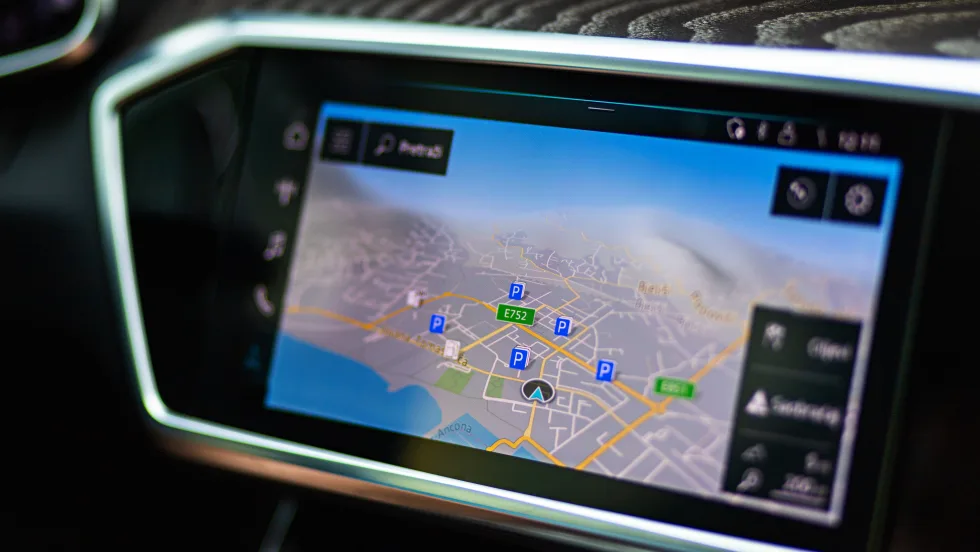
Consumers keep complaining about new cars’ infotainment tech, but are automakers listening? A recent survey shows regression except for mapping and speakers.
Read More →
Another Death Tied to Imported Air Bags
The Texas traffic fatality is the 11th federal regulators have connected to defective inflators imported from China. They urge that a certain population of used vehicles be inspected.
Read More →
Roadside Warnings Debut
Mazda works with AAA and a technology company to alert passersby to stranded vehicles from its lineup, for both parties’ safety.
Read More →
AI As Trainer?
This month, Agent Entrepreneur Editor Hannah Mitchell shares an artificial-intelligence development that could upend traditional dealership training.
Read More →
A Lingering Auto Tech Divide
Automakers still struggle to hit consumers’ sweet spot, hanging onto the despised touchscreen and adding other complex systems while simple, effective details hit the mark.
Read More →
AI, China and the Next Wave of Auto Retail Innovation
F&I sits at the center of the changes expected to sweep the industry in just the new few years as new players change the game.
Read More →
That Bot Can Do a Lot
Artificial intelligence was all the buzz at the 2026 Agent Summit. A panel of tech specialists broke through the noise to give agents guidance on steering dealer clients.
Read More →
Cyber F&I
Your dealer clients could only benefit from showcasing products on their websites along with vehicle inventory. Modern consumers expect to be informed and are more likely to buy products when they are.
Read More →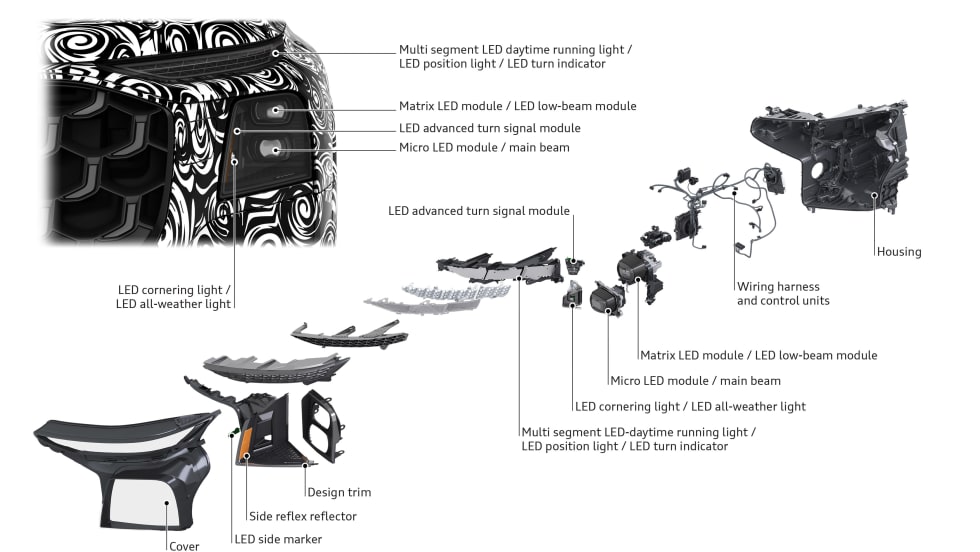
Road Glare to Drop a Notch?
Audi is preparing two SUV models for the American market with the automaker’s adaptive LED headlights. Its technology is designed to reduce brightness for other drivers, a growing complaint among U.S. motorists.
Read More →
AppOne Partners With RouteOne for E-Contracting Solution
By digitizing the entire contracting and funding process, the company says auto dealers can eliminate frustrating and disorganized manual processes.
Read More →