



What, Exactly, is a Dealer-Owned Warranty Corp?


What, Exactly, is a Dealer-Owned Warranty Corp?
One type of service contract program available to dealers is a dealer-owned warranty company. But as an agent, knowing what that is and how it works, and how it will effect the dealers you sell it to, is important. Mark Macek, president, United States Warranty Corp., addressed attendees at Agent Summit 2013 in March, educating them on what, exactly, a dealer-owned warranty company is, and how it benefits the dealers.
In this type of structure, the dealer actually forms a separate c-corporation structure, apart from the dealership itself, for the sole purpose of writing service contracts. The new entity, owned by the dealer, then becomes the obligor, and in a sense, the actual provider. In Macek’s case, U.S. Warranty handles all of the back-end functions and takes an admin fee out of each contract for that purpose. It’s important to note, however, that depending on the provider the dealer sets the reinsurance program up with, how those fees and taxes are handled can differ.
“This is their company, they own it,” said Macek. “We don’t touch their funds; all funds flow through the dealership. So things like coverage, rates, etc. are all controlled by them, based on the underwriter’s approval”
Basically, the dealer gains the ability to control every aspect of the service contract, from what coverage is offered, to what the rates are set. “We tell dealers to make it better than the factory warranty, or what’s currently on the street,” Macek said. Examples include offering first day rental, or providing extended rental terms. This entices the customer to buy the dealership’s contract over another option.
And that’s important, because at the end of the day, it’s a way for the dealership to increase profits. Macek gave an example of an $1,800 policy. Of that, $900 would go to the dealership as profit. Another $900 would go back to the warranty company the dealership owns, because in this case, it is a separate entity. Of that money in the warranty company account, a small amount would go to pay U.S. Warranty’s admin fee, and the rest would be profit after claims are paid. The money is then earning compound interest while in the investment account. The dealership warranty company can then use that profit however they wish, from loaning it back to the dealership, taking out dividends, etc. It can even be used as part of an incentive program to help keep managers or key F&I personnel attached to the dealership, giving them a stake in the warranty company and it’s profits.
In the end, rather than have the profits controlled by an outside party, this structure allows the dealership to have complete control over the cash, and complete transparency as to where that cash is invested. It gives dealers looking for a hands-on approach a great way to manage their own program. And it doesn’t have to just be service contracts. Macek pointed out that other products, like prepaid maintenance, or dent and ding, could easily be fit into this structure as well.
“It’s about more profit, and more transparent transactions. It’s a beautiful thing,” Macek said. For more information about dealer warranty corporations, e-mail mmacek@uswarranty.com.
More F&I
To Include Products in the First Pencil or Not
In this month's Under the Hood, Editor Hannah Mitchell examines a question many auto dealers have been asking since Federal Trade Commission enforcement intensified this year.
Read More →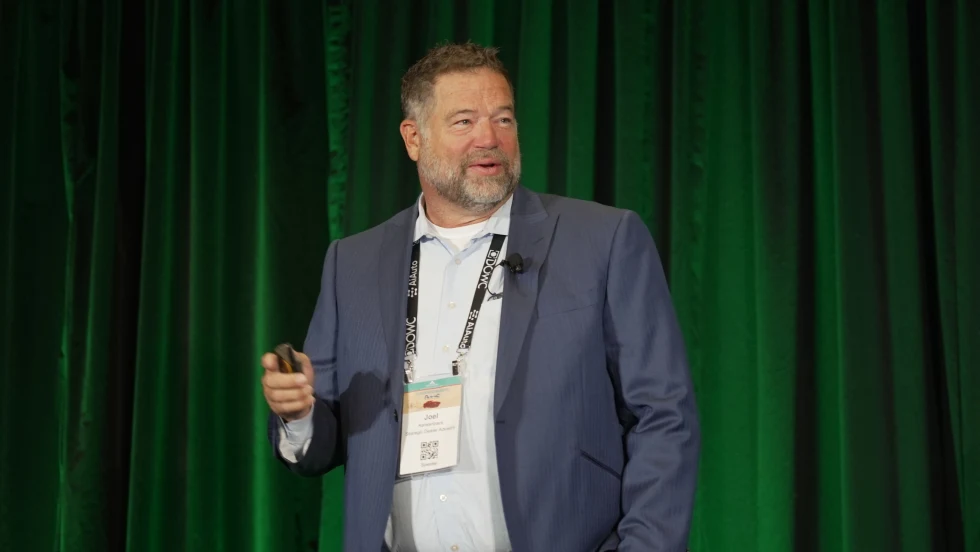
Get Ahead of the Change
A strong culture, among other things, will be a key differentiator for auto dealerships as the market speeds ahead to new heights, says industry veteran Joel Kansanback.
Read More →
F&I Without the Handoff
Get more familiar with what your dealer clients are really buying when they entrust you with finance-and-insurance.
Read More →
Affordability Shapes Auto Demand
Auto originations increased 1% in the first quarter, and electric vehicles are rebounding, according to TransUnion's latest credit report.
Read More →
The Evolution of Agency Development in Modern F&I
General agents have a different roadmap for success than their predecessors. It will pay for them to follow it in order to be true dealer partners.
Read More →
Four-Figure Loan Payments on the Rise
A LendingTree analysis found that location, age and credit score play a role in the rising amount of auto loan borrowers who make monthly payments of $1,000 or more.
Read More →
APCO Holdings Acquires Fidelity Dealer Services
The finance-and-insurance product provider says the addition strengthens EasyCare’s reach across key markets.
Read More →
Tariffs Could Raise Insurance Premiums
As U.S. import tariffs affect repair costs, consumers might find it more affordable to replace a damaged vehicle, according to recent Insurify tariff analysis.
Read More →
Smaller Loans, Longer Terms
The youngest generation of car buyers is more likely to finance less expensive vehicles, more than half of generation Z consumers borrowing less than $25,000.
Read More →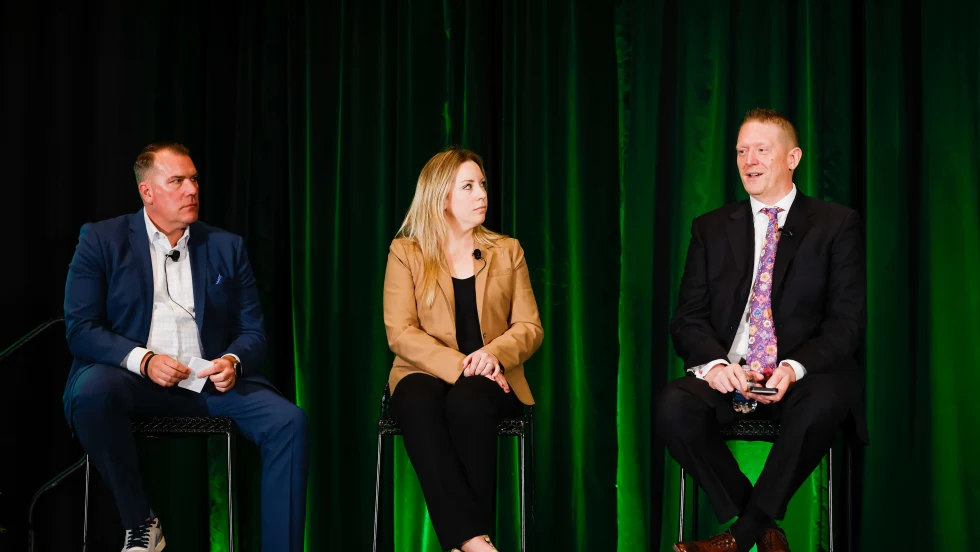
Ensure Your Clients Are Sure About Reinsurance
Industry experts recently broke down the complicated profit center at Agent Summit. Learn what’s relevant and what’s new to share with your dealers.
Read More →