



Trade-In Protection: A Product Everyone Can Relate To


Trade-In Protection: A Product Everyone Can Relate To
I remember walking into dealerships in 1988 with our first GAP program and thinking the sale would be a slam-dunk. To my surprise, dealers told me that while they liked the product, they did not want their F&I departments scaring customers about negative equity. Today, times are clearly different. GAP has become one of the top products offered and accepted by customers nationwide.
Unfortunately, with the recent financial crisis, everyone intimately knows about negative equity. It is on the news almost every night, and many of our customers have experienced it first hand on their homes, cars or anything they have financed. While GAP provides a stated benefit for negative equity in the event of a total loss, and has paid hundreds of millions of dollars in customer benefits, there have been very few, if any, programs for dealers to offer that cover negative equity when a customer needs it most: when they trade-in their vehicle.
Over the past several years, there have been a few programs introduced by manufacturers or independent providers that offer negative equity protection at trade-in time. In most cases, these programs have been provided at no cost to the customer. On a large scale, Hyundai Assurance was the first to introduce this type of program. Hyundai offered a trade-in value guarantee with the purchase of a new Hyundai. As part of the customer’s responsibility to qualify for this benefit, the customer had to perform all scheduled maintenance with a Hyundai franchise, and finance the vehicle with Hyundai Motor Finance. Hyundai’s program has clearly benefited: Hyundai Motor Co. by elevating customer loyalty to one of the highest in the industry; Hyundai dealers by driving more sales and maintenance revenues; Hyundai Finance by lowering the potential negative equity carried over on new loans; and Hyundai customers by reducing their negative equity carry-over and giving them peace of mind during the purchase process.
Hyundai Assurance was a national success story, and it got people thinking. Enter the agent-distributed trade-In protection product.
With any new F&I product introduction, there were some early adopters, but many tend to wait, and see the product-related success stories from other dealers before making the investment themselves. In the beginning, two and a half years ago, we heard the same thing over and over again. Who is selling it? How long has the program been in the market? I like it, but want to wait. While it was somewhat discouraging, it also helped me realize and reinforce something much more important: If you get in the door, no matter the outcome of the sale, you have a way to begin to build a relationship as a partner. Going back in time, GAP was the same way. While we may not have closed each dealer the first time, GAP started more relationships than any other product I had been involved with, and set our agency apart from others in the market.
Setting your agency apart from others is more important today than at any other time I can recall. While there seems to be a new program launched every year, trade-in protection is an innovative customer retention tool, providing protection against potential negative equity when the customer returns to trade-in and purchase a new vehicle at the dealership where the original purchase was made.
Different from most other F&I products, trade-in protection has been most successful as a blanket program for select dealers in a defined market, rather than a stand-alone F&I product that the customer pays for. As a blanket program, the agent must spend a substantial amount of time creating the culture, training sales consultants, sales managers and the F&I department so that they can explain the benefit properly to every customer. This allows the agent to build a relationship beyond the F&I department, which is critical in expanding other products sales.
Another critical component is an embedded loyalty marketing campaign that includes targeted customer communications designed to provide a higher level of customer engagement during the vehicle ownership period. These messages are driven not only to remind the customer of the benefit, but also to offer maintenance or other dealership specials. At its core, the trade-in protection program is a customer retention tool that can increase overall dealer profitability for years to come. All in all, this product provides unique benefits to the agent, dealer and end customer:
For the agent:
Helps agents stand-out from the competition.
Opens doors into new accounts for all products.
Generates additional blanket and F&I profit opportunity.
Creates a long-term relationship with the dealership.
For the dealer:
Helps dealers stand-out from the competition as a “Why Buy Here” product.
Increases dealership traffic, front-end and F&I profits.
Boosts customer retention and improves customer satisfaction levels.
Expedites the trade-cycle.
For the customer:
Builds confidence in the decision to purchase.
Protects against negative equity at time of trade-in.
Can purchase a new vehicle much sooner than before.
Once a customer buys a vehicle that includes trade-in protection, that customer has something that no other dealer can offer them when they are ready to trade-in and buy again.
More Product & Technology
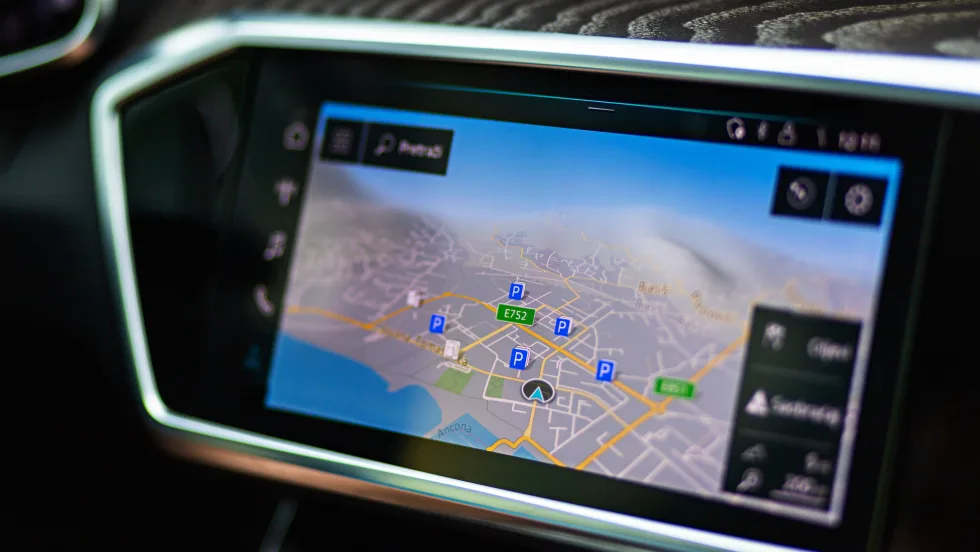
Computer Headaches on the Road
Consumers keep complaining about new cars’ infotainment tech, but are automakers listening? A recent survey shows regression except for mapping and speakers.
Read More →
Another Death Tied to Imported Air Bags
The Texas traffic fatality is the 11th federal regulators have connected to defective inflators imported from China. They urge that a certain population of used vehicles be inspected.
Read More →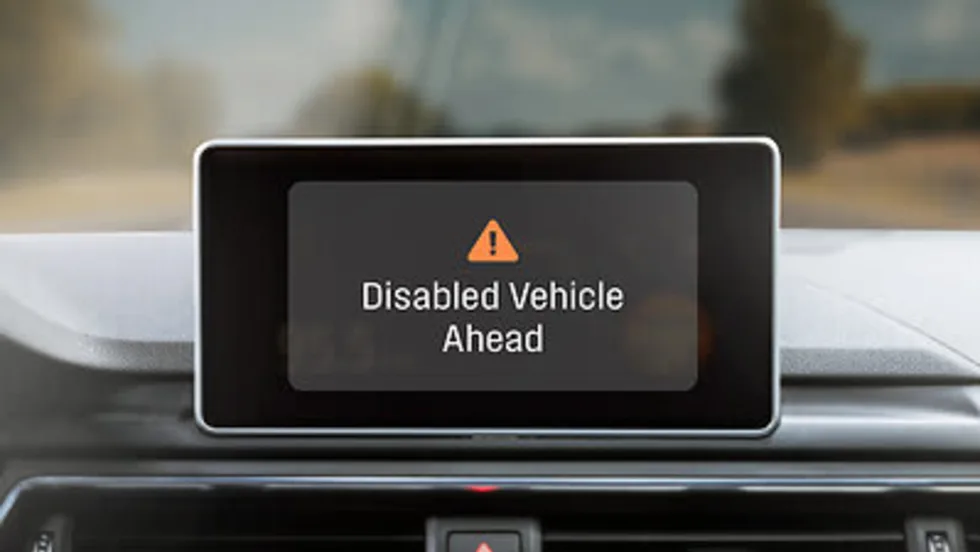
Roadside Warnings Debut
Mazda works with AAA and a technology company to alert passersby to stranded vehicles from its lineup, for both parties’ safety.
Read More →
AI As Trainer?
This month, Agent Entrepreneur Editor Hannah Mitchell shares an artificial-intelligence development that could upend traditional dealership training.
Read More →
A Lingering Auto Tech Divide
Automakers still struggle to hit consumers’ sweet spot, hanging onto the despised touchscreen and adding other complex systems while simple, effective details hit the mark.
Read More →
AI, China and the Next Wave of Auto Retail Innovation
F&I sits at the center of the changes expected to sweep the industry in just the new few years as new players change the game.
Read More →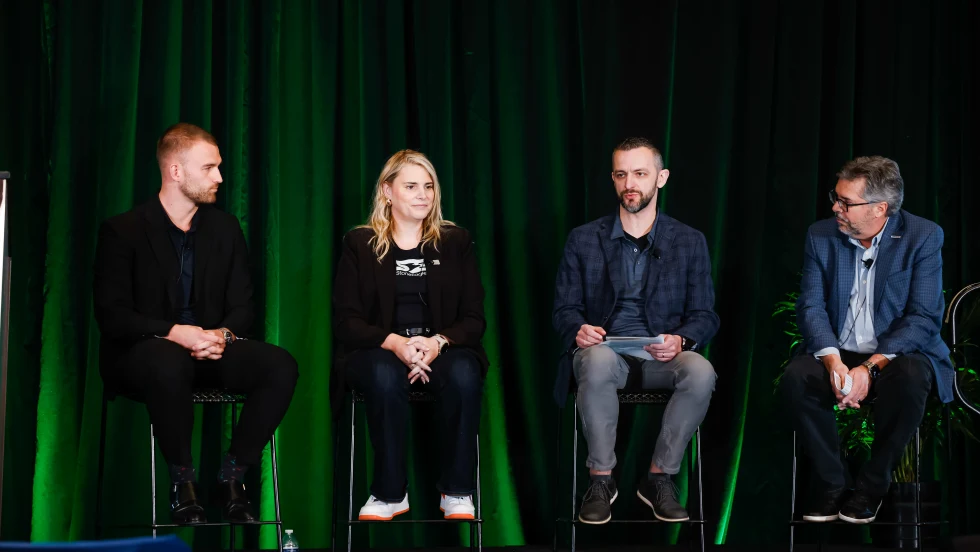
That Bot Can Do a Lot
Artificial intelligence was all the buzz at the 2026 Agent Summit. A panel of tech specialists broke through the noise to give agents guidance on steering dealer clients.
Read More →
Cyber F&I
Your dealer clients could only benefit from showcasing products on their websites along with vehicle inventory. Modern consumers expect to be informed and are more likely to buy products when they are.
Read More →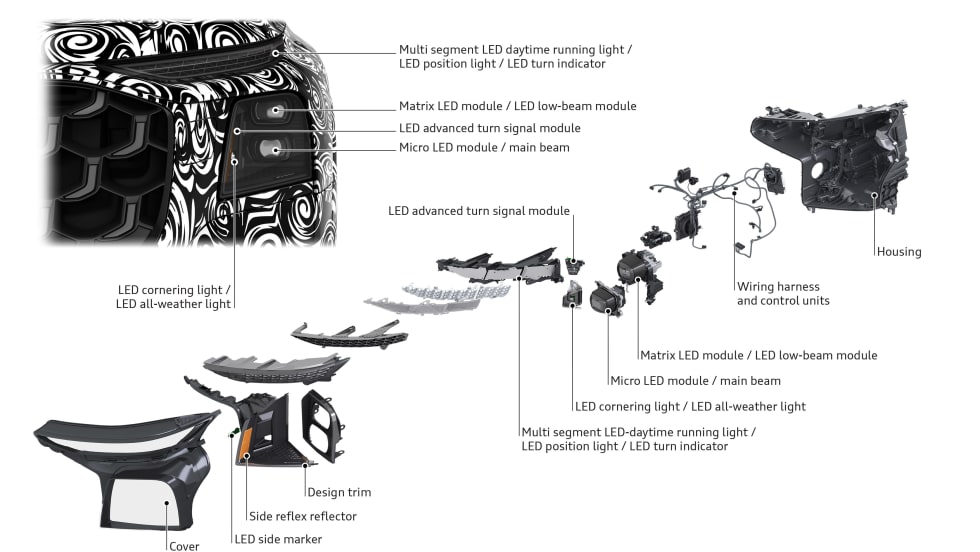
Road Glare to Drop a Notch?
Audi is preparing two SUV models for the American market with the automaker’s adaptive LED headlights. Its technology is designed to reduce brightness for other drivers, a growing complaint among U.S. motorists.
Read More →
AppOne Partners With RouteOne for E-Contracting Solution
By digitizing the entire contracting and funding process, the company says auto dealers can eliminate frustrating and disorganized manual processes.
Read More →