



The Top 5 (Non-COVID) Developments In Dealership Employment Law
Virus or no virus, the law is still going to change and mandate new responsibilities for you and your business. Here are five recent legal developments that could affect your dealership that you might have missed.
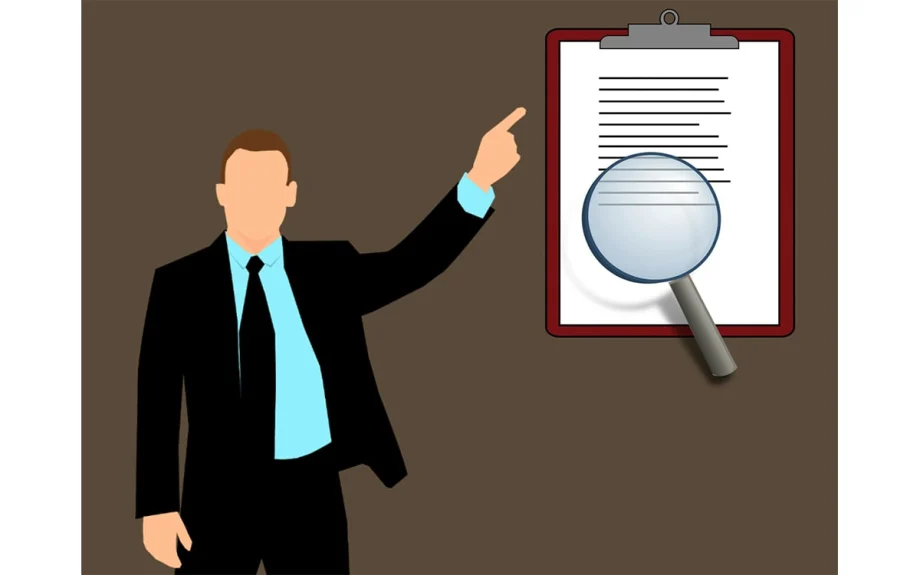
Virus or no virus, the law is still going to change and mandate new responsibilities for you and your business. Here are five recent legal developments that could affect your dealership that you might have missed.
IMAGE: mohamed Hassan via Pixabay
You have probably seen a lot of coronavirus news alerts lately, but as a car dealer, you already know that germs are not the only things that can cause headaches. Virus or no virus, the law is still going to change and mandate new responsibilities for you and your business. Here are five recent legal developments that could affect your dealership that you might have missed:
COVID-19 cases may be increasing, but that doesn’t mean that legal challenges facing your dealership need to.
1. Sexual orientation and gender identity are now protected characteristics under Title VII of the Civil Rights Act.
The law now uniformly requires workplaces to do what was already a good practice: not to discriminate based on sexual orientation or gender identity. In a recent case, the Supreme Court clarified that the law views sexual orientation and gender identity discrimination as forms of sex discrimination. With sexual orientation and gender identity becoming a protected class under the law, dealerships should take care to implement anti-discrimination and anti-harassment policies and practices that account for this update. Not only would this build your dealership’s immune system to any outbreaks of legal challenges, but it would cultivate an environment that attracts the talent needed to help you meet your bottom line.
2. The EEOC warns employers against age discrimination and other workplace concerns during back-to-business push.
We know that we said we weren’t going to talk COVID-19, but as employees are being recalled to work, kept on furlough, or permanently separated, the potential for wrongful termination claims will be on the rise. In its latest round of updates to a series of COVID-19 Frequently Asked Questions, the Equal Employment Opportunity Commission (EEOC) warned employers they cannot prevent older workers from returning to work even if they want to protect such workers from the effects of COVID-19. The updates also provide additional guidance regarding ADA reasonable accommodations, preventing workplace harassment in a remote work environment, and addressing other workplace discrimination concerns.
3. The Supreme Court upholds DACA.
The Supreme Court has said no to the Trump Administration’s attempt to rescind the Deferred Action for Childhood Arrivals (DACA) program. What does this mean for your dealership? If you have employees relying on DACA for employment authorization – sometimes referred to as “Dreamers” – you can continue to do so. For now.
But before anyone rests easy, it is important to know that the Court only upheld DACA for procedural reasons. Specifically, the Court held that the Trump administration did not provide adequate reasoning when it tried to terminate DACA. That still leaves open the question: what will happen if the administration again tries to rescind DACA but this time follows the proper procedures?
With both employers and employees thrown into a limbo around this issue, one thing might be certain: if you have employees who are relying on DACA for employment authorization, your face might not be the only thing you want covered. Keep up to date with our coverage of the legal developments surrounding DACA through Fisher Phillips alerts.
4. Employers are still uncertain whether salary history can be used as a defense to pay equity claims.
In addition to the uncertainty surrounding DACA, the law also remains in limbo on pay equity issues. Already, the question of whether dealerships can ask about salary history on job applications or during interviews may depend on your zip code. But does the Equal Pay Act allow dealerships facing pay equity claims to use salary history as a justification for pay differences between their male and female employees?
The short answer? It depends. The Supreme Court recently rejected the opportunity to outline a uniform standard for businesses across the country. That means that dealerships are under a patchwork of varying standards. Read more here to find out about what the best practices are light of this uncertainty.
5. The National Labor Relations Board says management may be able to ban union organizing on company emails.
When faced with the possibility of union organizing, viruses may not be the only thing that dealerships would like to ward off. But can dealerships ask their sales staff and other employees to refrain from using company emails for union organizing? Perhaps. Recent updates passed down from the National Labor Relations Board (NLRB) clarify that businesses have options to ward off unions while also staying in compliance with legal obligations, as employers are entitled to exercise their property rights over their own email systems. This recent NLRB ruling means that you should evaluate your current policies to ensure that any limits on their equipment and IT systems are justified and sufficiently documented.
Conclusion
COVID-19 cases may be increasing, but that doesn’t mean that legal challenges facing your dealership need to. One of the best ways to stay on top of legal developments and obligations is to get in touch with experienced lawyers who know your business and understand the challenges you face. Fisher Phillips has a dedicated Automotive Dealership Practice Group that is specially designed to create solutions for auto dealers. Luckily, with some preparation, you won’t need a vaccine to protect yourself from legal headaches.
JonVieve Hill is an attorney in the Atlanta office of Fisher Phillips, one of the country’s preeminent labor and employment law firms representing employers. She helps companies navigate the details and legalities of union grievances and arbitrations, as well as violations of restrictive covenants and OSHA citations.
Originally posted on F&I and Showroom
More Industry
War Toll a Damper on Used Auto Prices
Cox Automotive found wholesale depreciation to be elevated in September amid high fuel prices and this year's unusual hurricane season.
Read More →
Bridge the Maintenance Gap
With many drivers missing recommended maintenance, service departments offering transparency and efficiency have a better chance of reaching financially strained consumers.
Read More →
California Store Has New Owner
The longtime dealership in the northern part of the state is known for robust fleet sales and has served the state capital for 115 years.
Read More →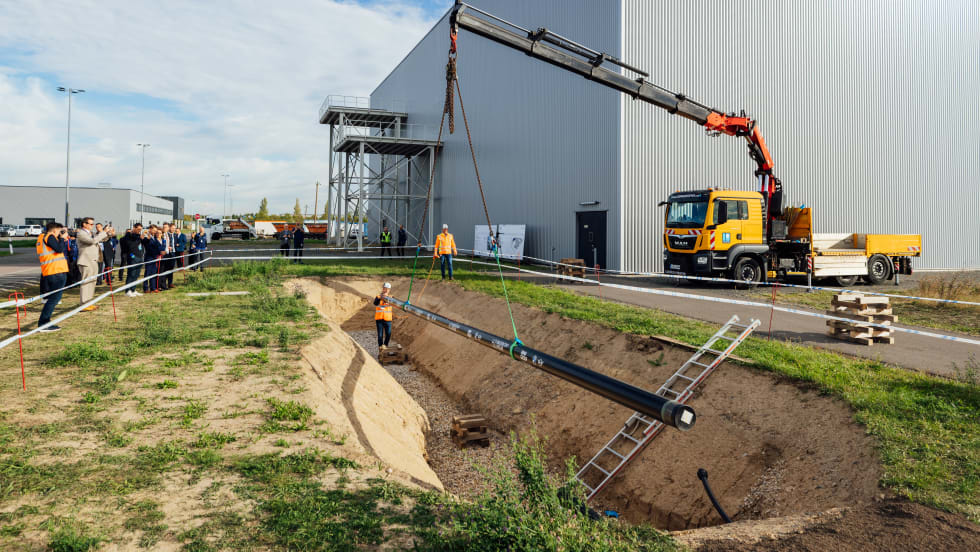
BMW Plant Pursues Cleaner Energy
BMW Group Plant Leipzig has utilized hydrogen to help power its production since 2013, but a new pipeline is planned to take it to another level.
Read More →
Auto Affordability Inches Up
The latest Cox Automotive and Moody’s Analytics index shows a slight increase in new-vehicle affordability despite high prices.
Read More →
Ohio Auto Group Under New Ownership
After 79 years with the Schluter family, Mansfield Auto Group has been acquired by Missouri-based Clement Auto Group.
Read More →
RV Group Expands Carolina Footprint
Blue Compass RV Columbia Northeast is the 13th RV dealership owned by Blue Compass in the Carolinas.
Read More →
Agent Acumen
An Agent Summit panel of people who’ve been supporting auto dealers for years gave both timely and timeless advice for those starting out or mulling the prospect.
Read More →
Missed Maintenance Creates Opportunity
As families get back on the road and into daily school routines, service drives have an opportunity to capture customers who are behind on recommended vehicle maintenance.
Read More →
Mitsubishi Unveils U.S. Plan
The automaker announced a strategy that includes an expanded lineup and dealership presence, along with more ‘rugged’ and electric models.
Read More →