



Steering the Future of Automotive Retail
New EFG Cos President and CEO Jennifer Rappaport outlines strategies for industry stability through training and innovation.
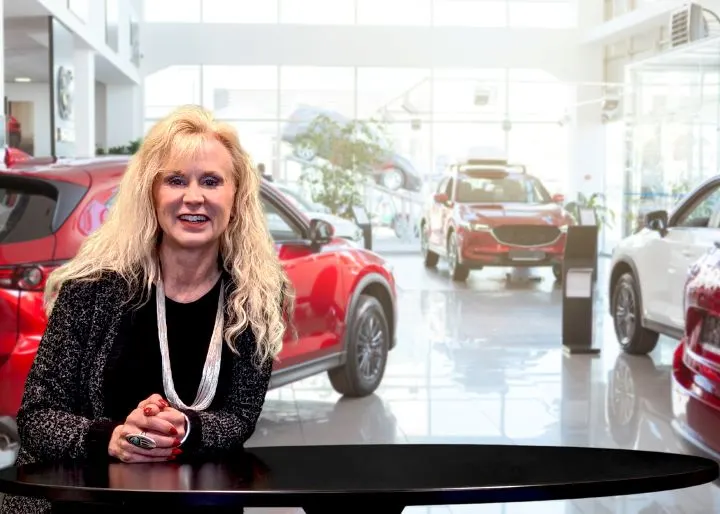
Rappaport shares a career of accumulated knowledge for an industry in transition.
IMAGE: EFG Cos.
The path to the automotive world was not a straight line for Jennifer Rappaport, the new president and CEO of EFG Companies. Instead, her 30-year ascent to the lead role at the automotive protection program provider has been like a winding road, with each turn bringing new leadership responsibilities.
Rappaport began her journey as a manager working with the business development and marketing groups for Arthur Andersen, a now-defunct Chicago-based international accounting firm that provided auditing, tax advising, consulting and other professional services to large corporations. She transitioned to leadership and retail automotive industry roles, including OEM, dealership, supplier, and provider companies. One of those positions included EFG, which was a client of hers for more than four years.
She joined EFG in 2011 and has spent the past 13 years managing almost every aspect of the business, culminating in her role as chief operating officer in 2018.
Rappaport's journey may have taken a winding route, yet it is precisely those unexpected turns that she says have shaped her into the leader she is today.
“My diverse experiences proved valuable when joining EFG during the Great Recession, which shaped my efforts as a change agent, facilitating innovation and process and service evolution,” Rappaport said.
“Our size enables us to be nimble and move quickly as the market changes, while we are large enough to bring talented resources to bear, making our programs successful on a large scale.”
As the new CEO, she looks forward to driving the future of the 46-year-old company and embracing its entrepreneurial spirit. “The world is full of great ideas, but very few companies get the plane off the ground and do something with those ideas,” she says. “Our focus is on our clients and what we can do differently to serve them better.”
Back to Basics
Rappaport's strategy at EFG involves helping dealers "return to the basics" this year to counter revenue challenges from high interest rates, inflated vehicle pricing, and margin pressures.
She says EFG has had a comprehensive view of industry developments since 2020. Limited inventory during the pandemic and increased demand after it made it easier to sell vehicles, causing many dealers to neglect back-end operations.
Now, she says conditions have changed. Inventories have increased as supply-chain snags have eased and rising interest rates and high inflation have tempered demand. The situation has made selling cars harder, emphasizing the need to maximize back-end profitability. Rappaport says she believes EFG will play a key role in renewing dealers’ focus on the fundamentals.
She likens what’s needed to the shift dealers made during the Great Recession. “Dealers got very good at doing things during the recession. They trained a lot, made sure their sales skills were sharp, became highly adept at F&I product penetration, put documentation around their processes, and got better at compliance.”
Understanding each customer's protection product needs became one of dealers' primary focus areas during that time, she points out, saying that needs to happen again.
“This is the second largest purchase consumers are going to make. You need to consider how you will help consumers with the unexpected issues that can arise with any vehicle.”
She adds that with a 12% increase in interest rates and inflation at a level that consumers didn’t expect, dealers must become more strategic about where and how they drive profits.
“Research has shown time and again that the more often a consumer returns to the dealership, the greater likelihood that dealership will sell them their next vehicle. F&I products are designed to do three things – drive profitability for the dealer, enhance the dealer’s brand and value proposition to the consumer, and protect the consumer’s wallet from unexpected expenses associated with mechanical breakdowns, as an example. Our products facilitate repeat and referral customers, which are much less costly than a customer that must be acquired.”
Focus on Value Propositions
Rappaport says interest rates and expensive vehicles are affecting consumer demand, floor-planning costs, and overall dealer profitability.
“EFG is counseling its clients to take a three-pronged approach that prioritizes training to improve menu selling skills, re-evaluates reinsurance positions to counter rising parts and labor costs, and solidifies succession planning focused on long-term profitability.”
Rappaport suggests that electric vehicles are another area of focus for dealers because they offer a unique value proposition, allowing them to showcase their expertise and drive sales.
“Part of this is understanding electric vehicles, whether you believe EVs are going to sell at a high volume or not,” she says.
“They are still something consumers are asking about. How do you make sure they understand EVs? How do you help them determine if an EV matches up with their driving needs? You must be able to distinguish the customers who think they want an EV but actually cannot support the charging requirements in their homes and/or driving habits versus the customers where an EV is a good fit.”
Dig Into Digital
Dealers can also shore up their digital retailing, she says. During the pandemic, many placed F&I pricing online and broadened their digital retailing choices. Rappaport points out that a gap still exists between online and in-store experiences.
“Consumers are taking the buying process further online before they come in for a test drive or final sale. Unfortunately, [dealers’] online efforts often don't carry over to the store, resulting in consumers having to repeat their steps.”
EFG has developed a curriculum around digital retailing to help dealers with the issue, specifically hiring the right people to plug into the sales process at different intervals, depending on where a customer goes offline. It also teaches how online leads differ from in-store leads, how to connect with consumers in a digital format, and how to transition in-person professional skills to an online environment.
EFG assesses automotive retailers' online sales savvy through mystery-shopper research that includes undergoing the digital sales process and evaluating the experience, including whether all questions were answered, if there was a walk-through video of the vehicle, and the dealer’s menu-selling skills.
“Our performance coaches love it because it gives them a strategic mechanism by which they can have analytic business discussions with dealer principals and management,” she says.
Compliance is also a key consideration, she says.
“While compliance can feel burdensome, it is a critical component for automotive dealers and lenders,” Rappaport says. “As we have seen from the recent Federal Trade Commission’s CARS rule, compliance has the potential to lengthen the sales process, but only if dealers are not properly following the F&I sales process. An active compliance environment enables dealer sales and F&I team members to go back to the basics, ensuring they are actively protecting the needs of their buyers and their dealership.”
Guiding the Buy-Sell Market
The automotive retail buy-sell market has been hot for several years. Buy-sell firm, Haig Partners, predicts the demand for acquisitions will remain strong throughout 2024. “This is another area of dealer support for EFG,” Rappaport says.
“Dealers should consider the underlying impacts of the buy-sell equation,” says Rappaport. “Questions such as, Is it an asset acquisition? Will the current owners retain any equity? Will they centralize back-office operations across multiple rooftops? Will there be any impacts to existing personnel? What is the multiple in association with the vesting period? should be considered. EFG has been on both sides of clients’ buy-sell transactions and regularly helps dealers work through this process strategically.”
Succession is another strategic business aspect to be considered. “Is there a family member interested in taking over or staying with the business? We encourage our clients to consider the long-term plan for the dealership itself, as well as the business aspect of wealth management. While it’s easy to focus on their blue-sky number, forcing consideration through all the details can make the difference between a successful deal and a disappointment.”
Originally posted on F&I and Showroom
More Industry

Penske Auto Group Deal a Record
The deal to take the dealership and transportation services company private sets a new pace for industry buy-sell transactions.
Read More →
War Toll a Damper on Used Auto Prices
Cox Automotive found wholesale depreciation to be elevated in September amid high fuel prices and this year's unusual hurricane season.
Read More →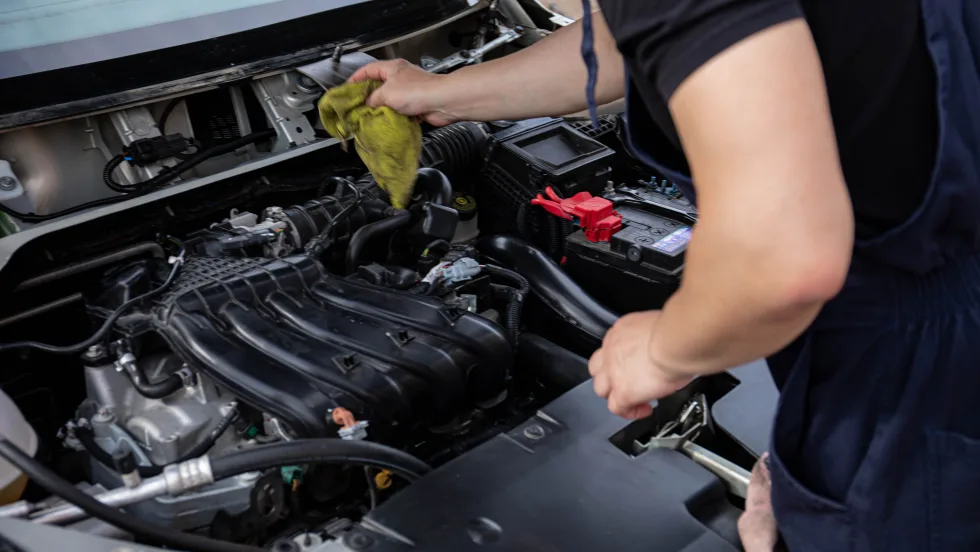
Bridge the Maintenance Gap
With many drivers missing recommended maintenance, service departments offering transparency and efficiency have a better chance of reaching financially strained consumers.
Read More →
California Store Has New Owner
The longtime dealership in the northern part of the state is known for robust fleet sales and has served the state capital for 115 years.
Read More →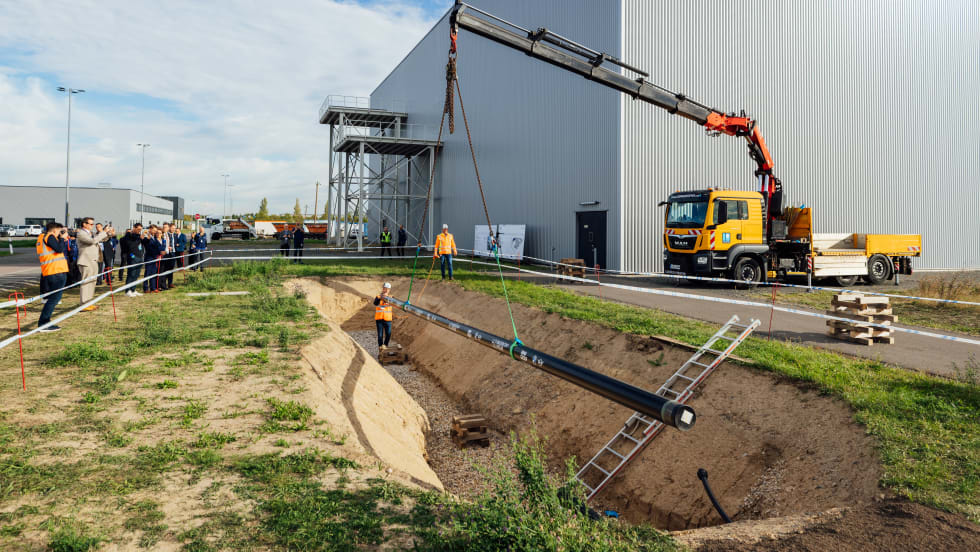
BMW Plant Pursues Cleaner Energy
BMW Group Plant Leipzig has utilized hydrogen to help power its production since 2013, but a new pipeline is planned to take it to another level.
Read More →
Auto Affordability Inches Up
The latest Cox Automotive and Moody’s Analytics index shows a slight increase in new-vehicle affordability despite high prices.
Read More →
Ohio Auto Group Under New Ownership
After 79 years with the Schluter family, Mansfield Auto Group has been acquired by Missouri-based Clement Auto Group.
Read More →
RV Group Expands Carolina Footprint
Blue Compass RV Columbia Northeast is the 13th RV dealership owned by Blue Compass in the Carolinas.
Read More →
Agent Acumen
An Agent Summit panel of people who’ve been supporting auto dealers for years gave both timely and timeless advice for those starting out or mulling the prospect.
Read More →
Missed Maintenance Creates Opportunity
As families get back on the road and into daily school routines, service drives have an opportunity to capture customers who are behind on recommended vehicle maintenance.
Read More →