



Responsibilities of a Trainer


Responsibilities of a Trainer
The responsibility of a trainer goes beyond teaching material in a classroom. A trainer who is going to be great has to look at how training makes a difference. I have spent over 15 years training, with more than ten years in formal classroom settings. As a founding member and top trainer for Lees Summit, Missouri-based Automotive Training Concepts, I am constantly looking for ways to better our training programs. I love the feeling of accomplishment after finishing a great training session and hearing the students’ thanks as they leave class. Receiving calls, texts and emails from students who have applied the techniques you taught them and have experienced success is so rewarding.
The reasons that training makes a difference extend beyond the obvious. Just look at the responsibility we have, to not only our students, but also their families. I was talking with my eight-year-old daughter, Ava, about one of my recent classes and she really made me think about this. It reinforced how training is not only good for our family, but how it helps the people I train take care of their families. Impacting the lives of your students and their families is a really big responsibility.
We have a responsibility to our profession, because almost anyone can stand in front of a room and call him or herself a trainer. The reality when you train people is this: Are you helping them become more professional representatives of our industry? The question is, do you train or are you a top trainer?
Here are a few things I believe are the responsibility of a top trainer:
Have Passion. You need to really love what you do to be successful. Play the game like you don’t need the money. If you have this passion when training, the money follows.
Connect and Communicate. Don’t just read material out of a book from a podium, get out in front of the students and infuse your knowledge.
Don’t be afraid to change. I always try to bring new ideas to every training session, and I always look for better ways to train the techniques. The same old materials sometimes don’t change as today’s customers do, so know your students’ customers. Make changes to your training material to keep your training fresh. Don’t be so set in your material that you die on the mountain!
Be a Game Changer. Create new ideas and concepts. In the classroom, ask for tough objections and look for ways to overcome them. When you visit a store ask the people you work with to write down things they can’t overcome. This way when you follow up, your training will be relevant.
Be a student of the game. Realize that there are good ideas all around you and even a trainer can learn new things. I almost always take some new concept out of every class I teach. And always listen with an open mind when, as a trainer, you attend training. Some industry summits offer really good topics that may spark a new concept in your mind.
Inspect what you expect. If you don’t role-play in the classes you teach or at the dealerships you visit, how do you know the students have the proficiency to apply what you teach? I always have sales or finance classes role-play the training techniques, and I sit and review presentations or objection techniques with the sales or finance personal when I am at their store.
Practice what you preach. The best way to stay current on your training material is to try it; go out and apply it. When you’re visiting a dealership, take a turn and apply your techniques. I have made changes to our classroom material after doing this, based simply on what worked and what didn’t.
I guess when you stop and look at the responsibilities of a trainer there are several, but I believe one of the biggest is caring about the people you train. When you are blessed with the opportunity to stand in front of a classroom or train one-on-one, next time just remember what a great responsibility it is. We as trainers have the ability to make our industry and the people we work with better. Even writing this article caused me to step back and look at what a great gift I have been given to be able to share techniques and help motivate people so they and their families can be more successful.
More F&I

To Include Products in the First Pencil or Not
In this month's Under the Hood, Editor Hannah Mitchell examines a question many auto dealers have been asking since Federal Trade Commission enforcement intensified this year.
Read More →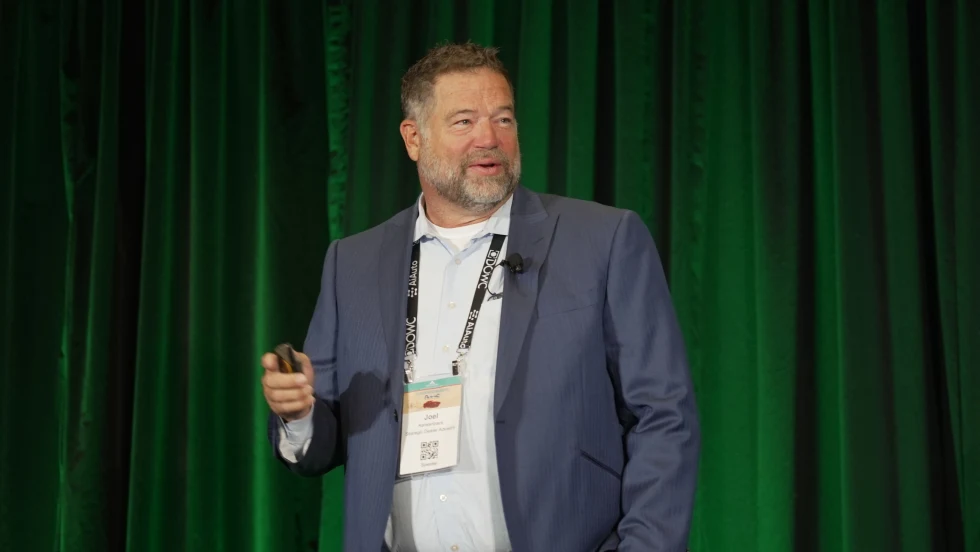
Get Ahead of the Change
A strong culture, among other things, will be a key differentiator for auto dealerships as the market speeds ahead to new heights, says industry veteran Joel Kansanback.
Read More →
F&I Without the Handoff
Get more familiar with what your dealer clients are really buying when they entrust you with finance-and-insurance.
Read More →
Affordability Shapes Auto Demand
Auto originations increased 1% in the first quarter, and electric vehicles are rebounding, according to TransUnion's latest credit report.
Read More →
The Evolution of Agency Development in Modern F&I
General agents have a different roadmap for success than their predecessors. It will pay for them to follow it in order to be true dealer partners.
Read More →
Four-Figure Loan Payments on the Rise
A LendingTree analysis found that location, age and credit score play a role in the rising amount of auto loan borrowers who make monthly payments of $1,000 or more.
Read More →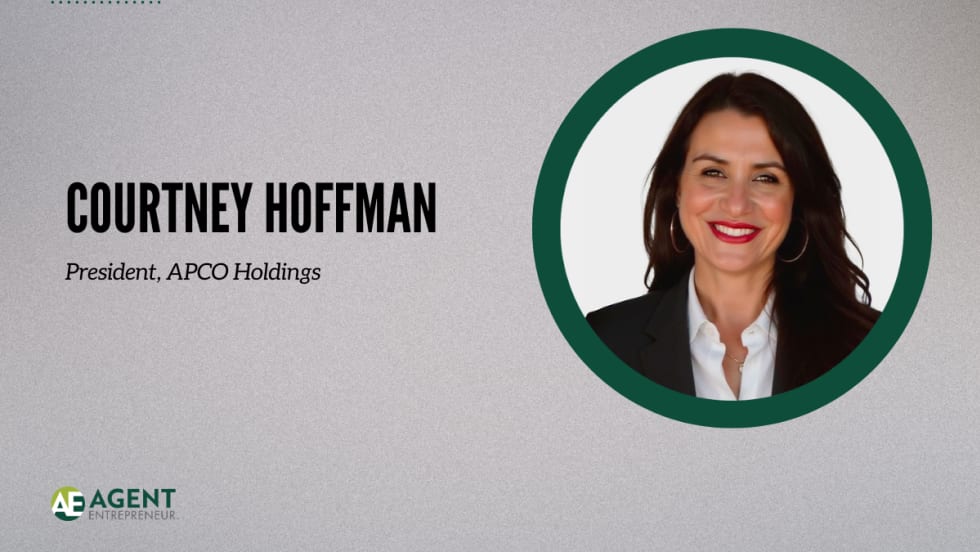
APCO Holdings Acquires Fidelity Dealer Services
The finance-and-insurance product provider says the addition strengthens EasyCare’s reach across key markets.
Read More →
Tariffs Could Raise Insurance Premiums
As U.S. import tariffs affect repair costs, consumers might find it more affordable to replace a damaged vehicle, according to recent Insurify tariff analysis.
Read More →
Smaller Loans, Longer Terms
The youngest generation of car buyers is more likely to finance less expensive vehicles, more than half of generation Z consumers borrowing less than $25,000.
Read More →
Ensure Your Clients Are Sure About Reinsurance
Industry experts recently broke down the complicated profit center at Agent Summit. Learn what’s relevant and what’s new to share with your dealers.
Read More →