



Re-thinking F&I Success Measurements


Re-thinking F&I Success Measurements
Most dealers are well aware of the F&I department’s impact on their bottom-line. Chances are, if you ask most dealers, general managers and F&I managers how they measure F&I success, they will cite gross profit per vehicle and service contract sales acceptance as their preferred metrics. While these are important metrics for evaluating F&I performance, there are some additional measurements agents should suggest and share with their dealer clients.
In particular, there are three additional performance indicators that will enhance a dealership’s ability to assess the strengths and shortcomings of the F&I processes and personnel. With these additional metrics, dealers and their respective managers can better understand what types of deals are making their way to the F&I office, how effectively F&I products are being presented and how well customers are receiving F&I products.
Here are three performance metrics to consider adding to monthly reports.
1. F&I Product Sales by Salesperson
In most dealerships, a clear division of duties exists between the salesperson and the F&I manager. However, a salesperson’s actions on the dealership lot, telephone and showroom floor play an essential role in the success of the dealership’s financing and protection product sales. How the salesperson manages the interaction between the customer and the F&I professional has a major impact on the ability to finance the purchase as well as sell protection products, such as vehicle service contracts. By tracking the sales acceptance rate of F&I products by salesperson, a dealership has a better opportunity to assess the sales team’s understanding of the F&I process, and provide training for salespeople when necessary.
2. F&I Products per Delivery
Measuring F&I products sold per retail delivery (that is, F&I products sold divided by retail deliveries) takes the analysis of the F&I process a step further than the more common measurement of profit per retail delivery. More dealers should track and monitor this metric to better understand the needs of their customers. This metric can provide greater insight into the inner workings of the dealer’s F&I process.
By consistently tracking F&I products per delivery, a dealer is able to better evaluate how well the F&I sales process is functioning. A higher products-per-delivery likely means the F&I staff are having success presenting the value of the full suite of products. Conversely, a continual decline in this metric often indicates the need for enhancements in the F&I presentation process or additional training to improve F&I managers’ sales skills.
3. Customer Satisfaction
Customer satisfaction is something every successful dealer evaluates on a regular basis. Often with all the work that goes into tracking and analyzing customer satisfaction, there is one important department in the dealership that is overlooked. While dealerships are careful to ensure they maintain positive customer service scores for their sales staff and service department, the F&I department is often forgotten. By placing greater emphasis on the F&I process within customer service surveys and regularly monitoring the scores, dealers can help ensure that their F&I process and personnel are providing a customer experience that strongly supports the sale of protection products.
These three metrics are not meant to replace existing reports that many dealers use to evaluate the success of their F&I operation. Instead, the addition of these measurements will provide greater insight into the processes that drive the successes of the F&I department. By expanding the way dealerships track and evaluate their F&I processes, the opportunity for a stronger bottom line only grows.
More F&I

To Include Products in the First Pencil or Not
In this month's Under the Hood, Editor Hannah Mitchell examines a question many auto dealers have been asking since Federal Trade Commission enforcement intensified this year.
Read More →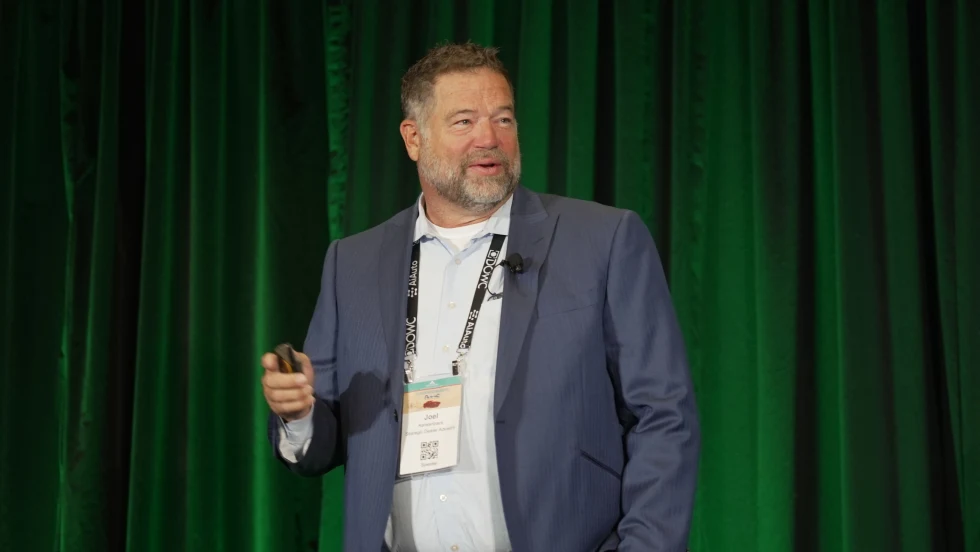
Get Ahead of the Change
A strong culture, among other things, will be a key differentiator for auto dealerships as the market speeds ahead to new heights, says industry veteran Joel Kansanback.
Read More →
F&I Without the Handoff
Get more familiar with what your dealer clients are really buying when they entrust you with finance-and-insurance.
Read More →
Affordability Shapes Auto Demand
Auto originations increased 1% in the first quarter, and electric vehicles are rebounding, according to TransUnion's latest credit report.
Read More →
The Evolution of Agency Development in Modern F&I
General agents have a different roadmap for success than their predecessors. It will pay for them to follow it in order to be true dealer partners.
Read More →
Four-Figure Loan Payments on the Rise
A LendingTree analysis found that location, age and credit score play a role in the rising amount of auto loan borrowers who make monthly payments of $1,000 or more.
Read More →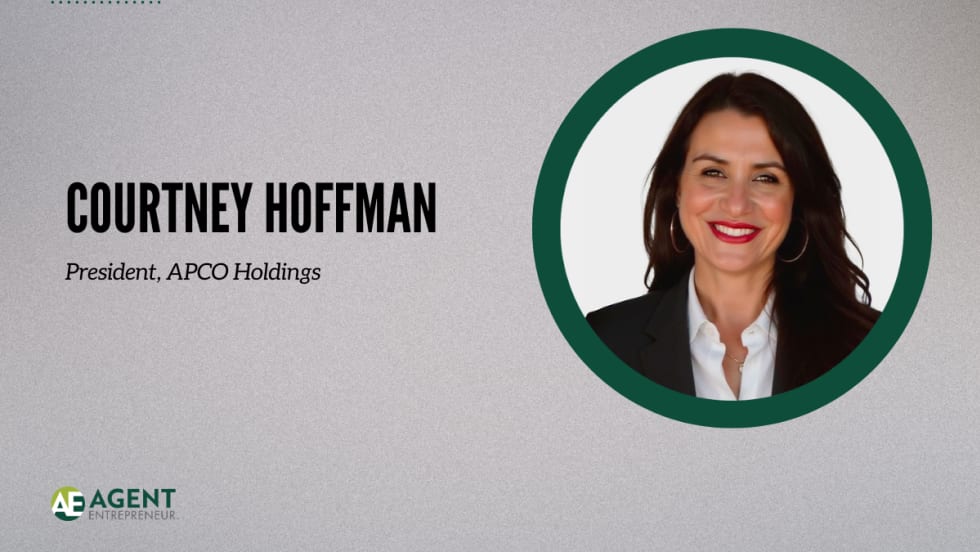
APCO Holdings Acquires Fidelity Dealer Services
The finance-and-insurance product provider says the addition strengthens EasyCare’s reach across key markets.
Read More →
Tariffs Could Raise Insurance Premiums
As U.S. import tariffs affect repair costs, consumers might find it more affordable to replace a damaged vehicle, according to recent Insurify tariff analysis.
Read More →
Smaller Loans, Longer Terms
The youngest generation of car buyers is more likely to finance less expensive vehicles, more than half of generation Z consumers borrowing less than $25,000.
Read More →
Ensure Your Clients Are Sure About Reinsurance
Industry experts recently broke down the complicated profit center at Agent Summit. Learn what’s relevant and what’s new to share with your dealers.
Read More →