



How Are Consumers Shopping for Cars?
Understanding the differences in target audiences, their feelings about brand, loyalty, preferences, and shopping habits is vital for success.

Understanding the differences in target audiences, their feelings about brand, loyalty, preferences, and shopping habits is vital for success.
Image by Free-Photos from Pixabay
The automotive industry is a major economic force globally and, according to the American Automotive Policy Council, is the largest manufacturing sector in the U.S. As sales in the space continue to slow due to a variety of factors, like rising auto loan rates and overall economic uncertainty, it is more important than ever that those in the auto industry understand their consumers.
Many millennials are content to treat their vehicle as just another household appliance that doesn’t need to speak for them or reflect their personality and values.
Earlier this year, Alter Agents surveyed 1,094 recent purchasers of new vehicles to ask about their shopping attitudes and behaviors in the automotive category. Among new car buyers, younger drivers are replacing their vehicles much more often. In fact, 48% of drivers under the age of 40 are buying new vehicles every two years, while only 27% of those over 40 are doing so.
Those younger drivers have other unique behaviors of which the automotive industry should take note. Younger drivers are less locked into a particular brand or model, less satisfied with the options that they have, and more excited to try something new. In fact, 55% of those under 40 say that they enjoy trying new brands of cars. This places this category of drivers in what we call “promiscuous shoppers,” those shoppers who are less brand-loyal and more likely to experiment with new brands.
We chose to dive a little deeper into this important consumer segment and try to understand consumers’ most basic emotional reactions to brands. To accomplish this, we gave them a few seconds to tell us whether they liked each major automotive brand. Among younger consumers, the preference was much higher for Tesla, Audi, Hyundai, and BMW than their older counterparts.
Drivers over 40 were more emotionally invested in their car choices. They have stronger opinions about what they like and don’t like, and they’re more likely to believe their car choices reflect their personalities. Overall, younger car buyers are less invested in brand loyalty than their older counterparts. This finding stands in stark contrast to common tropes about millennials, particularly that they’re seeking deep and meaningful emotional connectionswith brands.
Instead, younger consumers’ interest in an emotional connection is mediated by category, just as it is for older shoppers. Among older shoppers, who may have grown up in an American youth culture focused on cars, today’s younger shoppers simply don’t share that emotional connection to their vehicle, having grown up in a culture more focused on digital connectivity than physical mobility. While millennials may crave authentic experiences in some categories that they care about, this doesn’t seem to carry over to automobile shopping. Many millennials are content to treat their vehicle as just another household appliance that doesn’t need to speak for them or reflect their personality and values.
Experts are saying that the automotive industry is slowing faster than expected this year, and this trend will continue as we enter 2021. Understanding the differences in target audiences, their feelings about brand, loyalty, preferences and shopping habits is vital for success. Too much of the conversation about car buying has focused on an imagined idea of what younger consumers look like. While younger car customers differ from older consumers, these differences don’t necessarily line up with conventional wisdom around millennials. Beyond automotive, these counterintuitive findings demonstrate the importance of grounding research in a specific category and type of purchase, which can reveal new and unexpected things about the customers you’re trying to reach.
Mike Dickerson is a senior research manager at Los Angeles based market research consultancy, Alter Agents.
Originally posted on F&I and Showroom
More Sales
Used Lots Getting the Business
Many consumers are seeking out the units to save money, and the demand – higher in July than normal – is keeping supply limited and prices up.
Read More →
Two Kinds of Agents and the 5 Ps That Separate Them
Follow these key guidelines to distinguish your agency from competitors by adding more value to your dealer clients' businesses.
Read More →
Positive Equity Reaches Record High
Mainstream vehicle owners who bought a car seven years ago are likely to have positive equity when trading in for a new vehicle, according to second-quarter Edmunds data.
Read More →
Used Market Stabilizes
The Carfax Used Car Index noted a major drop in used-vehicle price increases in July after several months of hikes.
Read More →
July Auto Sales Simmer
Deliveries were up modestly from a year ago despite still-high prices as OEMs offered more incentives and loan rates eased somewhat.
Read More →
Used Sales Hit Summer Drag
The vacation season, combined with high prices, has dented deliveries and added to inventories, though supply is still slim enough to keep listings elevated.
Read More →
June Automotive Boon?
A forecast for this month’s new-vehicle sales tells a familiar 2026 story: Year-over-year comparisons must be made in light of last year’s aberrations.
Read More →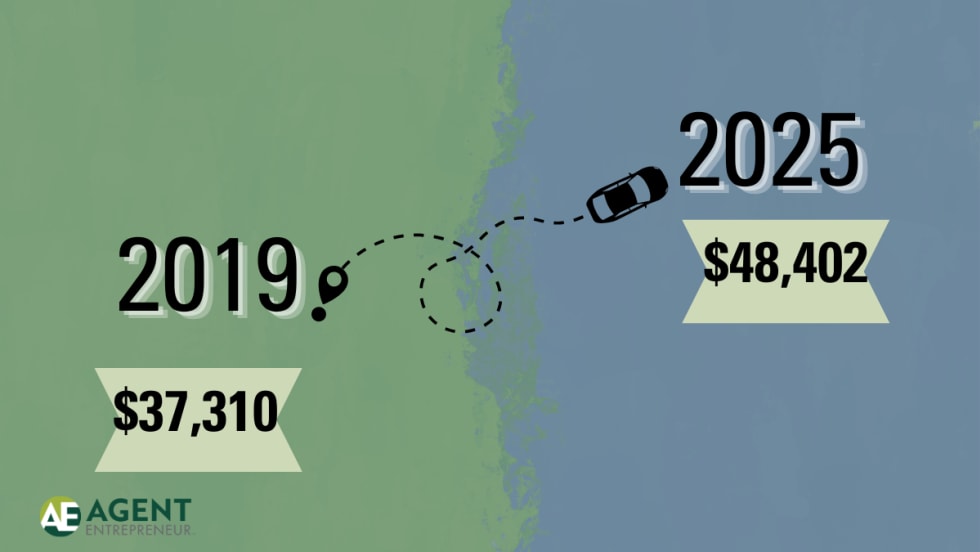
Affordable New Cars a Thing of the Past
More than one out of five new vehicles sell for more than $60,000, according to Edmunds. That's up 7% compared to prepandemic 2019.
Read More →
Legacy Automakers Risk Falling Behind
As legacy automakers, mostly in the U.S. and Japan, have revised their 2030 electric-vehicle sales targets and shifted to a hybrid focus, they risk falling behind new market leaders.
Read More →
New Cars a Tad More Affordable
May averages show that combined circumstances gave auto consumers slightly better buying power for the month, though average prices were up year-over-year.
Read More →