



Fixing the Desk


Fixing the Desk
Have you ever experienced the dysfunction that occurs from the sales desk? It’s amazing how much time and money is invested in getting a customer into the dealership. Time and money to train salespeople on product knowledge, on how to build rapport with the customer and how to get the customer excited about doing business with us today.
Once these tasks have been accomplished, however, the desk proceeds to tear down the goodwill we just worked so hard to build up. Our customer is now subjected to a nervous grind of negotiating for the “best deal.”
Customers have fears when it comes to buying a car. They already know what’s in store for them. This is known as “predictable expectation.” The internet is filled with tips on how to avoid scams. Sites recommend that the consumer arrange his or her own financing, negotiate the price of the vehicle separate from trade value and avoid purchasing vehicle service contracts from the finance office because “you don’t need it.”
They are made aware that a “four square” method will be presented. It describes the salesperson walking back and forth to a mystical place where they get new and confusing numbers. In fact, websites warn that the buyer beware of this “dealership shell game.”
The consumer comes to the dealership with “predictable expectations” and, in most cases we make those expectations a reality. The question is, if we already know that this expectation exists and that it thoroughly disgusts the customer, why do we let this practice continue? We run the risk of receiving poor CSI results, decreased referrals, poor customer retention and a possible loss of the sale.
So, how do we turn the negative expectation into a positive one? It’s simple—proper training and communication. As a business culture, we have to begin to change the expectations the customer brings to our business environment. The only way to do that is to change entirely the perceived expectation. It’s not hard; in fact, it’s easier than you might think.
For instance, often dealerships have sitting at their management desk some of the former top producing sales professionals from their own culture. In the past, those managers demonstrated the ability to follow steps in a process that has proven results. They likely have exhibited the skills to put the customer enough at ease to make a final buying decision. It is these individuals who have to interact directly with the customer and ultimately close the sale. A fresh attitude has to be adopted that this is an excellent sales training opportunity.
If you want the sales people to close the sale, don’t tell them what to say, instead show them how it’s done. There is an old saying, “Don’t blame them, train them.” Let the customer know exactly how your process works, who is involved and how all the figures were determined. Consumers today want to be completely informed.
It’s nothing new. Ask yourself, how do you like doing business? Most of us gain confidence and feel comfortable knowing that the information we have is clear, concise and understandable. We want to know how all the figures and terms were determined.
Fact is, if we better understand the process, we can better appreciate the results.
Many dealerships have adopted a no haggle, one price business model. As a result, they are experiencing not only success in sales and increased profit, but are continuing to grow their customer and referral base as well.
Customers enjoy the opportunity of car shopping–and ultimately buying– without the negative experience of negotiating. These dealerships’ finance offices are experiencing success as a result of the customers being more relaxed and open to listening to products that have benefits for them. It’s easier to make decisions when all parties involved know the process.
I am not suggesting that you entirely change your business model, but you must admit, if you are not experiencing consistency and growth in your business today, you have to analyze how you intend to move forward. Getting the manager to come out and close the figures with the customer will help you close more deals and sell more vehicles.
Remember, if you want the salesperson to learn to close, you must teach and show. It works!
More F&I
To Include Products in the First Pencil or Not
In this month's Under the Hood, Editor Hannah Mitchell examines a question many auto dealers have been asking since Federal Trade Commission enforcement intensified this year.
Read More →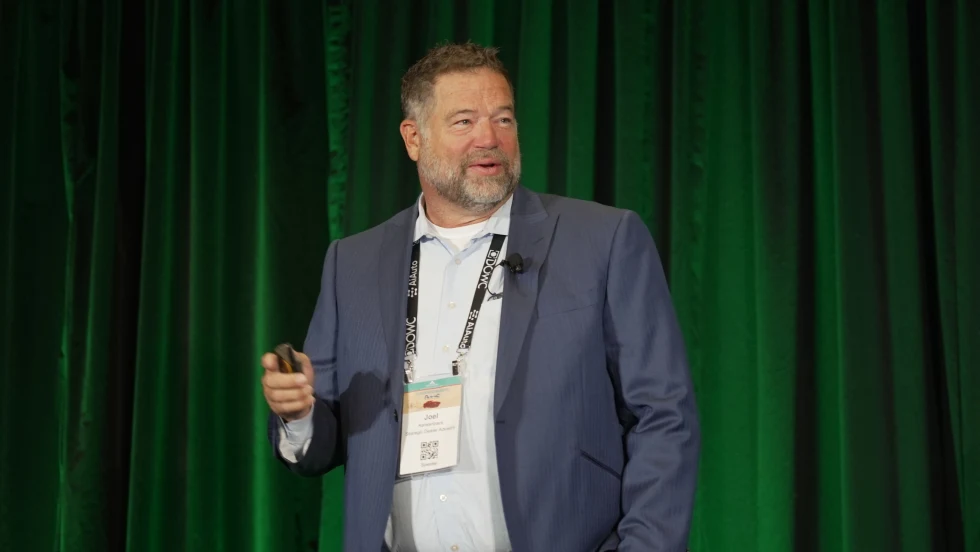
Get Ahead of the Change
A strong culture, among other things, will be a key differentiator for auto dealerships as the market speeds ahead to new heights, says industry veteran Joel Kansanback.
Read More →
F&I Without the Handoff
Get more familiar with what your dealer clients are really buying when they entrust you with finance-and-insurance.
Read More →
Affordability Shapes Auto Demand
Auto originations increased 1% in the first quarter, and electric vehicles are rebounding, according to TransUnion's latest credit report.
Read More →
The Evolution of Agency Development in Modern F&I
General agents have a different roadmap for success than their predecessors. It will pay for them to follow it in order to be true dealer partners.
Read More →
Four-Figure Loan Payments on the Rise
A LendingTree analysis found that location, age and credit score play a role in the rising amount of auto loan borrowers who make monthly payments of $1,000 or more.
Read More →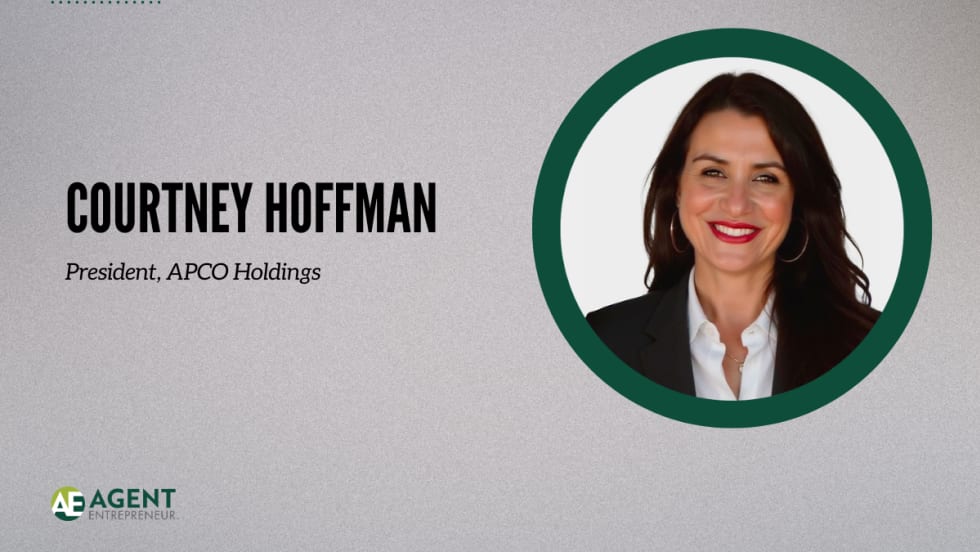
APCO Holdings Acquires Fidelity Dealer Services
The finance-and-insurance product provider says the addition strengthens EasyCare’s reach across key markets.
Read More →
Tariffs Could Raise Insurance Premiums
As U.S. import tariffs affect repair costs, consumers might find it more affordable to replace a damaged vehicle, according to recent Insurify tariff analysis.
Read More →
Smaller Loans, Longer Terms
The youngest generation of car buyers is more likely to finance less expensive vehicles, more than half of generation Z consumers borrowing less than $25,000.
Read More →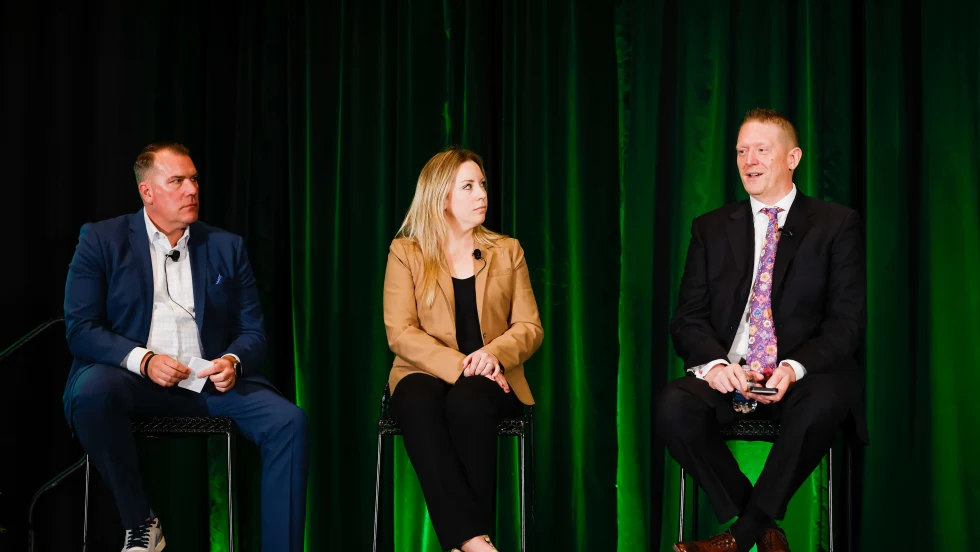
Ensure Your Clients Are Sure About Reinsurance
Industry experts recently broke down the complicated profit center at Agent Summit. Learn what’s relevant and what’s new to share with your dealers.
Read More →