



Digital Remote Deliveries in a Post-Pandemic World
Even with the benefits of moving into the digital world, some risks have also amplified. Taking some of these precautions can help your dealer avoid the angst of identity theft.

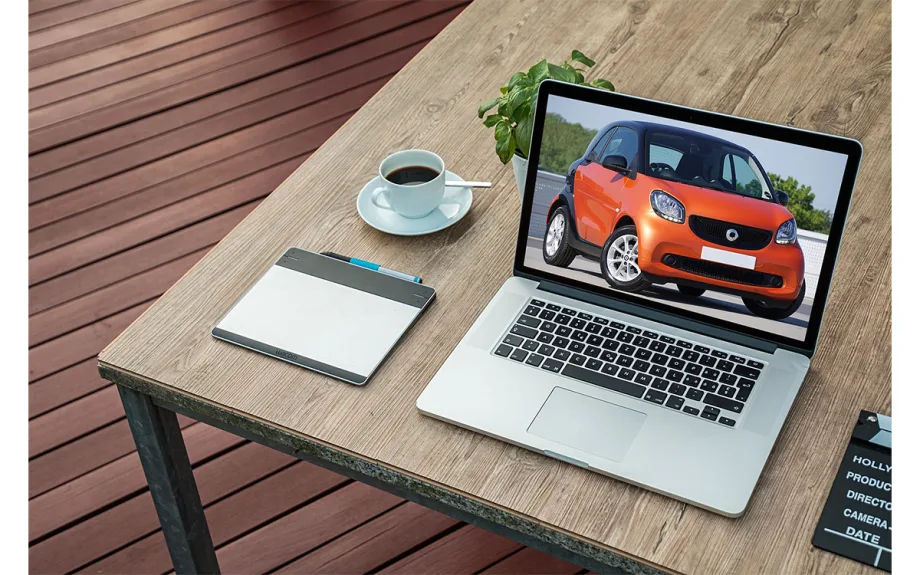
Even with the benefits of moving into the digital world, some risks have also amplified. Taking some of these precautions can help your dealer avoid the angst of identity theft.
The overnight digital evolution is not necessarily an overnight event. It has simply been forced on the industry as a response to the recent pandemic that locked everyone down. In many cases, consumers could not or would not venture to the brick-and-mortar dealership facility. Since a dealer must sell vehicles, the standard onsite, paper, or printed documents process morphed into offsite, digitally signed documents.
Going digital also means clearing some roadblocks for identity thieves, potentially making it easier to steal a victim’s identity and your dealer’s inventory.
Let’s call it what it is, a digital remote delivery.
I am confident that each of you have helped your dealership in implementing this new process. After all, many pocketbooks are affected if dealers don’t sell voluntary protection products.
Even with the advantages and benefits of moving into the digital remote delivery world, some risks have also amplified. Going digital also means clearing some roadblocks for identity thieves, potentially making it easier to steal a victim’s identity and your dealer’s inventory.
Remote Delivery Defined
A remote delivery is any transaction where the customer either lives outside of a dealer’s geographic footprint or the consumer does not step foot on the dealership’s property. Some ID theft cases involved customers who visited a dealership a few states away from the victim’s residence with manufactured identity and stips. In other cases, the ID thief conducted the entire transaction by phone and internet.
Identity Thieves are Scaredy-cats
Many police officials who specialize in identity theft tell me that most of these thieves want to steal and use a victim’s identity without potential confrontation. They also tell me that identity theft is the favored crime of meth addicts because the thief does not have to deal with someone face to face.
Caution – Remote Deliveries
If identity thieves truly are scaredy-cats, then digital remote deliveries fit their preferred method. Obviously, not every remote delivery is an identity theft, but the anecdotal evidence suggests fraudulent attempts are on the rise because of a dealership’s willingness to sell and deliver vehicles outside of the dealership.
Process – Remote Deliveries
The remote delivery process should be a separate and distinct part of your sales and F&I policy manual.
Obtain and vet the credit application. The credit application is one of the first signals of a remote delivery. Another initial signal is when the customer is requesting a remote delivery. When the customer’s address is outside of the dealer’s geographic footprint, or the customer requests a remote delivery, immediately start the vetting process.
Understand where the vehicle is going. Pull up a satellite image of the residence address. Be careful if you find a warehouse or a campground.
Vet the identity provided. You are familiar with your state-generated identification, and maybe even neighboring states. You may not be so familiar with a state ID or driver’s license from another region. Use a search engine to view images of valid state ID or driver’s licenses. Ask for another photo ID. Confirm the wear and tear on the ID is consistent with the age of the ID. If the ID was issued three years ago and appears brand new, watch out. Alternatively, there are vendors who can vet the photo ID whether the customer is present or purchasing from remote.
Complete the Red Flags review. Most dealers today use an automated process to conduct their Red Flags review. Ensure there are no red flags noted during the review. If there are any red flags, proceed with the clearing process and retain all documentation used to clear the red flags. Use the available out-of-wallet questions as an added precaution, particularly if the customer is not and will not be in the dealership. Some dealers have started leveraging the ability to Facetime or Zoom with the customer as another approach to verify the customer’s appearance vis-à-vis the identity provided.
Complete the paperwork. For those customers who you have decided to ship the paperwork to, you should seriously consider using available services that will send a notary to the customer’s residence to complete the signing of all paperwork. Alternatively, the availability for e-signatures has exploded over the last few months, and in many cases the entire deal can be e-signed.
Taking some of these precautions can help your dealer to avoid the angst of identity theft.
Good luck and good selling!
Gil Van Over is the executive director of Automotive Compliance Education (ACE). He is also the founder and president of gvo3 & Associates.
More Product & Technology
Computer Headaches on the Road
Consumers keep complaining about new cars’ infotainment tech, but are automakers listening? A recent survey shows regression except for mapping and speakers.
Read More →
Another Death Tied to Imported Air Bags
The Texas traffic fatality is the 11th federal regulators have connected to defective inflators imported from China. They urge that a certain population of used vehicles be inspected.
Read More →
Roadside Warnings Debut
Mazda works with AAA and a technology company to alert passersby to stranded vehicles from its lineup, for both parties’ safety.
Read More →
AI As Trainer?
This month, Agent Entrepreneur Editor Hannah Mitchell shares an artificial-intelligence development that could upend traditional dealership training.
Read More →
A Lingering Auto Tech Divide
Automakers still struggle to hit consumers’ sweet spot, hanging onto the despised touchscreen and adding other complex systems while simple, effective details hit the mark.
Read More →
AI, China and the Next Wave of Auto Retail Innovation
F&I sits at the center of the changes expected to sweep the industry in just the new few years as new players change the game.
Read More →
That Bot Can Do a Lot
Artificial intelligence was all the buzz at the 2026 Agent Summit. A panel of tech specialists broke through the noise to give agents guidance on steering dealer clients.
Read More →
Cyber F&I
Your dealer clients could only benefit from showcasing products on their websites along with vehicle inventory. Modern consumers expect to be informed and are more likely to buy products when they are.
Read More →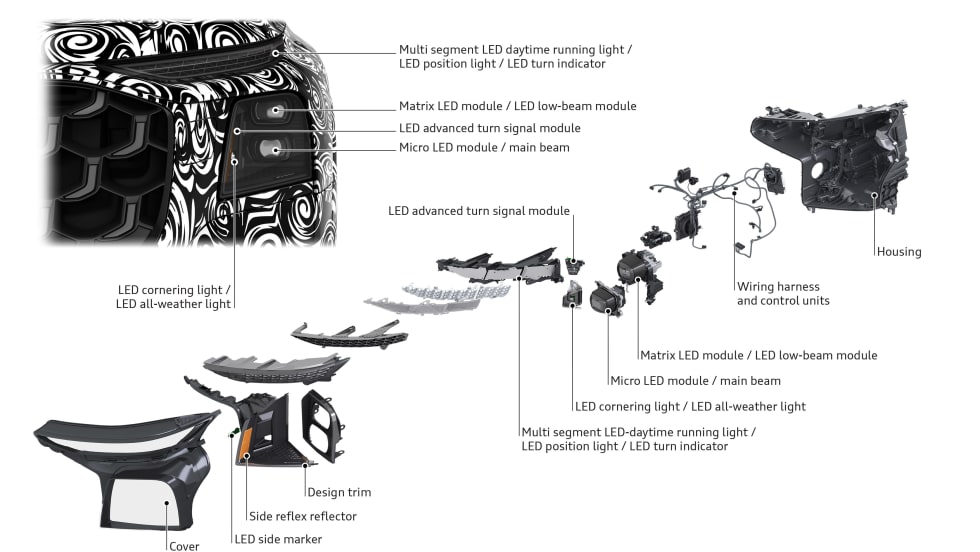
Road Glare to Drop a Notch?
Audi is preparing two SUV models for the American market with the automaker’s adaptive LED headlights. Its technology is designed to reduce brightness for other drivers, a growing complaint among U.S. motorists.
Read More →
AppOne Partners With RouteOne for E-Contracting Solution
By digitizing the entire contracting and funding process, the company says auto dealers can eliminate frustrating and disorganized manual processes.
Read More →