



Ancillary Products in 2021
While the precise outlines of the CFPB’s agenda are unknown, best practices will continue to be transparency, disclosure, and a full CMS to mitigate your risk and provide consistent and demonstrable compliance over time.


While the precise outlines of the CFPB’s agenda are unknown, best practices will continue to be transparency, disclosure, and a full CMS to mitigate your risk and provide consistent and demonstrable compliance over time.
IMAGE: Getty
COVID-19 has been a disruptor of our supply chain, our health, and our finances. In 2021, we are all hoping for a return to the pre-COVID world and, in the automotive industry, to our pre-COVID normal sales inventory and sales volume. COVID has unfortunately had an adverse impact on many consumer’s finances, and correspondingly subprime borrowing has been getting increased attention.
In May 2021, the CFPB entered into a Consent Order with 3rd Generation, doing business as California Auto Finance (CAF) which was a subprime auto lending servicer. CAF indirectly originated and serviced subprime auto loans Retail Installment Sales Contracts (RISCs) that were assigned to it by automotive dealers. The consumer loan agreements required them to use CAF’s Loss Damage Waiver (LDW). The LDW was an ancillary product for which consumers were charged a monthly fee that covered the cancellation of the borrower’s debt in the event of a total loss or covered the cost of repair if the vehicle was not a total loss. While there was a disclosure of the monthly LDW fee, there was no disclosure that interest accrues on late payments of the LDW fee.
The failure to disclose the interest charge on the LDW ancillary product was found to be a Unfair, Deceptive or Abusive Acts or Practices (UDAAP) violation, and CAF was ordered to pay $168,162 back as redress to consumers with paid off loans, $117,582 to consumers who still had active loans, $50,000 in civil penalty. Also, CAF was required to request that consumer reporting agencies correct or update inaccurate information that CAF reported regarding charged-off loans that included improper interest charges. CAF was ordered to provide compliance reports to the CFPB and the Consent Order resolving this matter was to continue for five years.
The takeaway from the case was that the law requires clear and conspicuous disclosure of both the charge imposed, as well as any consequences from a late payment of any charge. The disclosure itself must be done in a fashion easily noticed, read, and understandable to ordinary consumers. Cases like the CAF case above demonstrate that compliance settlements can be expected to include monetary sanctions to correct past wrongs and can be expected to continue for years after the settlement. On a broader scale, disclosures of all ancillary products charges, limitations, and exemptions must be clear and conspicuous, and made before the consumer agrees to the purchase.
Many industry watchers are wondering if this case signals the start of a post-COVID increased regulatory focus on ancillary product sales or on the automotive sales market itself. Can this mark the start of the Biden-era CFPB’s more ambitious style of consumer-focused enforcement in the automotive industry? While the precise outlines of the CFPB’s agenda are unknown, best practices will continue to be transparency, disclosure, and a full Compliance Management System to mitigate your risk and provide consistent and demonstrable compliance over time.
DISCLAIMER: Content provided in this article is intended for informational purposes only and should not be construed as legal advice and should not be relied upon or acted upon without retaining counsel to provide specific legal advice based upon your particular situation, jurisdiction and circumstances. No duties are assumed, intended, or created by this communication. No attorney-client relationship is being created by your review or use of this material.
© 2021 Robert J. Wilson, All Rights Reserved
Robert J. Wilson, Esquire (Bob) is a Philadelphia lawyer and is general counsel for ARMD Resource Management Group. Bob’s practice is largely in the consumer finance space, and he regularly consults with Lenders and contributes articles on various compliance related issues.
More F&I
To Include Products in the First Pencil or Not
In this month's Under the Hood, Editor Hannah Mitchell examines a question many auto dealers have been asking since Federal Trade Commission enforcement intensified this year.
Read More →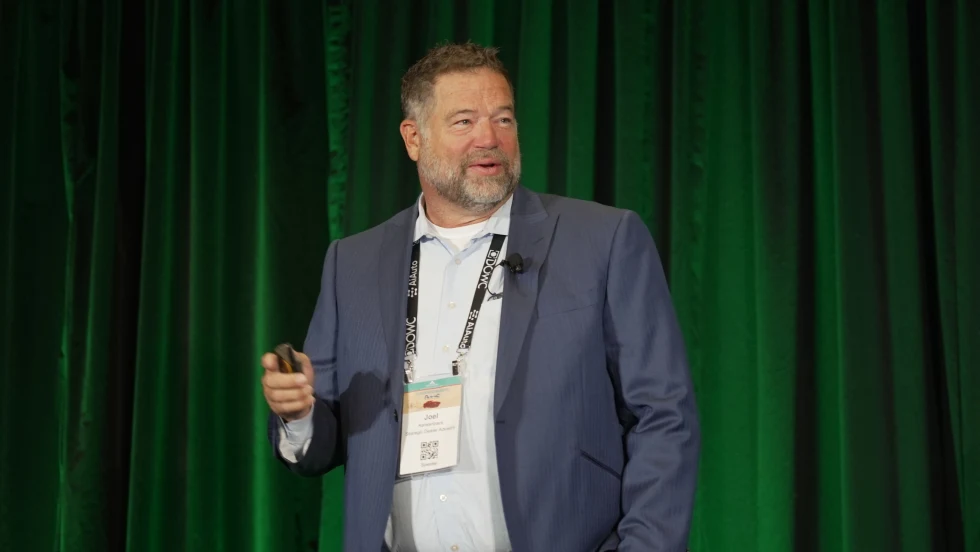
Get Ahead of the Change
A strong culture, among other things, will be a key differentiator for auto dealerships as the market speeds ahead to new heights, says industry veteran Joel Kansanback.
Read More →
F&I Without the Handoff
Get more familiar with what your dealer clients are really buying when they entrust you with finance-and-insurance.
Read More →
Affordability Shapes Auto Demand
Auto originations increased 1% in the first quarter, and electric vehicles are rebounding, according to TransUnion's latest credit report.
Read More →
The Evolution of Agency Development in Modern F&I
General agents have a different roadmap for success than their predecessors. It will pay for them to follow it in order to be true dealer partners.
Read More →
Four-Figure Loan Payments on the Rise
A LendingTree analysis found that location, age and credit score play a role in the rising amount of auto loan borrowers who make monthly payments of $1,000 or more.
Read More →
APCO Holdings Acquires Fidelity Dealer Services
The finance-and-insurance product provider says the addition strengthens EasyCare’s reach across key markets.
Read More →
Tariffs Could Raise Insurance Premiums
As U.S. import tariffs affect repair costs, consumers might find it more affordable to replace a damaged vehicle, according to recent Insurify tariff analysis.
Read More →
Smaller Loans, Longer Terms
The youngest generation of car buyers is more likely to finance less expensive vehicles, more than half of generation Z consumers borrowing less than $25,000.
Read More →
Ensure Your Clients Are Sure About Reinsurance
Industry experts recently broke down the complicated profit center at Agent Summit. Learn what’s relevant and what’s new to share with your dealers.
Read More →