



Some Brands Dominate Languishing Supply
Many 2024 and 2025 models sit unsold, dominated by one automaker.

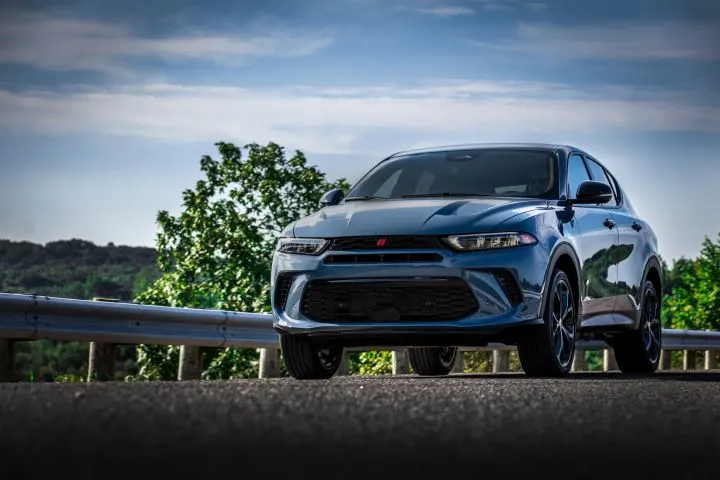
The plug-in hybrid Dodge Hornet has the biggest leftover 2024 inventory of any vehicle.
Stellantis
An analysis of automaker inventories shows Stellantis brands’ 2024 and 2025 vehicles are piling up on dealer lots, along with some other automakers’ models.
The car with the biggest leftover supply is the plug-in hybrid version of the Dodge Hornet, 82% of whose 2024 inventory remains unsold, according to the iSeeCars.com research. Production ended on the compact crossover SUV after the 2025 model year.
The Hornet is followed by the Jeep Grand Cherokee, with a 71% 2024 supply remaining, and the Alfa Romeo Tonale Hybrid, which the Hornet is modeled on, at a 47% leftover inventory.
Two other Jeeps are in the top 10 for remaining 2024 inventory: the Grand Wagoneer L at 24% supply for sixth place, and the plug-in hybrid version of the Wrangler at 18%, the 10th highest inventory.
The industrywide averages for 2024 and 2025 inventory are 0.4% and 21%, respectively, according to the company.
For higher-priced models like the Grand Wagoneer L – at an average $92,497 listing price – consumers can pay just a little more for 2026 versions, a reality that may be limiting the older vehicles’ sales, iSeeCars said.
Also among the top supply accumulations is the Chevrolet Malibu, which was also discontinued after the 2025 model year. Thirty-one percent of the remaining Malibus were still available as IseeCars finished its research, which took in 2.6 million listed cars for sale in late November.
It’s no surprise that electric vehicles have a higher percentage of available 2024 stock, according to the research. The Oct. 1 end of federal EV tax credits has brought a slump in electrified sales, though it was in effect for most of the time 2024 vehicles have been on the market. The compact Genesis GV60 luxury crossover leads the segment in leftover supply at 22%.
Among 2025 models, the BMW i4 compact electric executive car led on available inventory at 89% remaining.
The automotive search engine and research provider excluded from its research vehicles discontinued before the 2025 model year, lower-volume models, and heavy-duty vehicles.
More Industry

Penske Auto Group Deal a Record
The deal to take the dealership and transportation services company private sets a new pace for industry buy-sell transactions.
Read More →
War Toll a Damper on Used Auto Prices
Cox Automotive found wholesale depreciation to be elevated in September amid high fuel prices and this year's unusual hurricane season.
Read More →
Bridge the Maintenance Gap
With many drivers missing recommended maintenance, service departments offering transparency and efficiency have a better chance of reaching financially strained consumers.
Read More →
California Store Has New Owner
The longtime dealership in the northern part of the state is known for robust fleet sales and has served the state capital for 115 years.
Read More →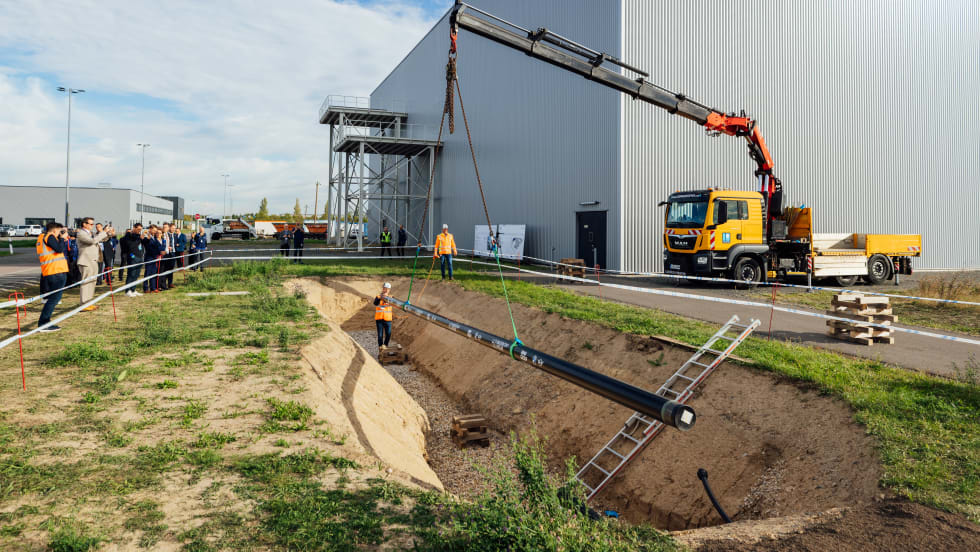
BMW Plant Pursues Cleaner Energy
BMW Group Plant Leipzig has utilized hydrogen to help power its production since 2013, but a new pipeline is planned to take it to another level.
Read More →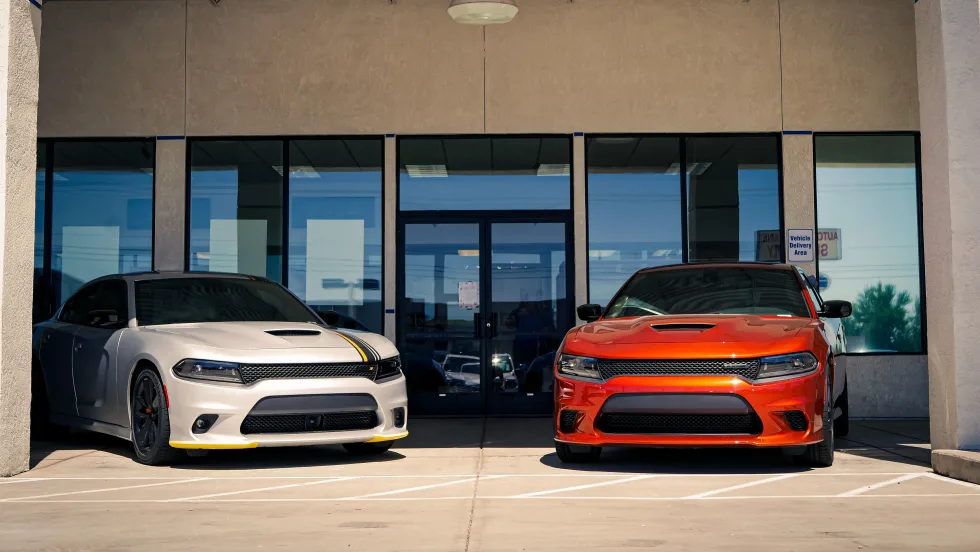
Auto Affordability Inches Up
The latest Cox Automotive and Moody’s Analytics index shows a slight increase in new-vehicle affordability despite high prices.
Read More →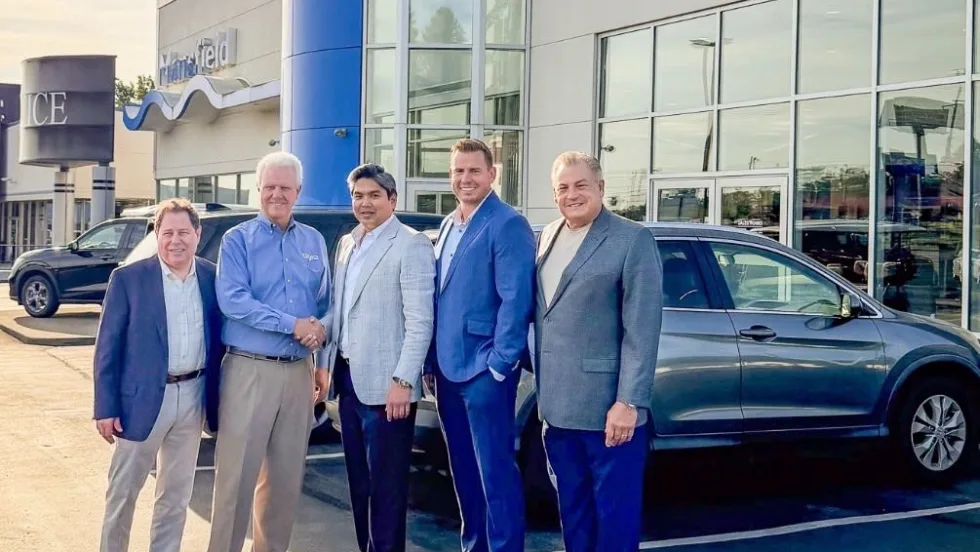
Ohio Auto Group Under New Ownership
After 79 years with the Schluter family, Mansfield Auto Group has been acquired by Missouri-based Clement Auto Group.
Read More →
RV Group Expands Carolina Footprint
Blue Compass RV Columbia Northeast is the 13th RV dealership owned by Blue Compass in the Carolinas.
Read More →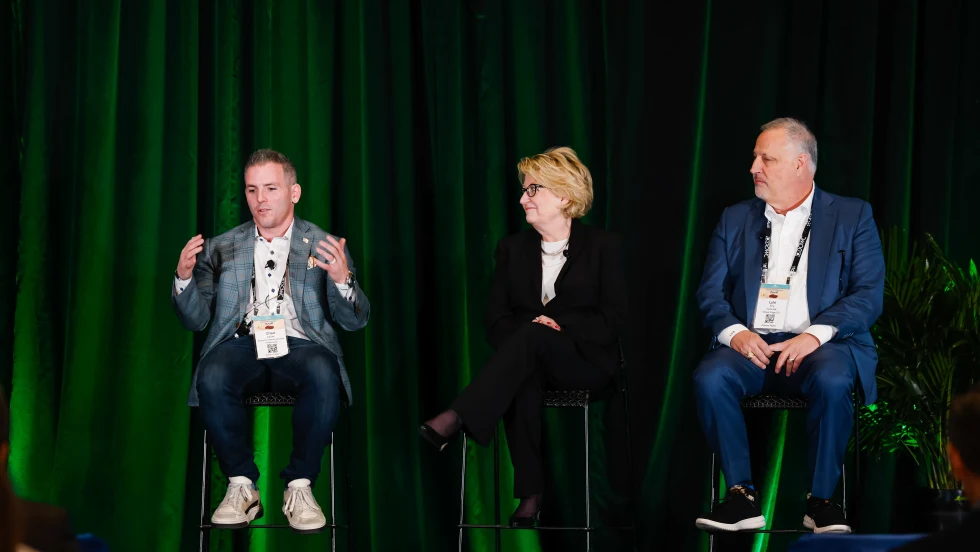
Agent Acumen
An Agent Summit panel of people who’ve been supporting auto dealers for years gave both timely and timeless advice for those starting out or mulling the prospect.
Read More →
Missed Maintenance Creates Opportunity
As families get back on the road and into daily school routines, service drives have an opportunity to capture customers who are behind on recommended vehicle maintenance.
Read More →