



EV Tax Credits on Chopping Block
Meanwhile, plentiful supply creates sales opportunities.

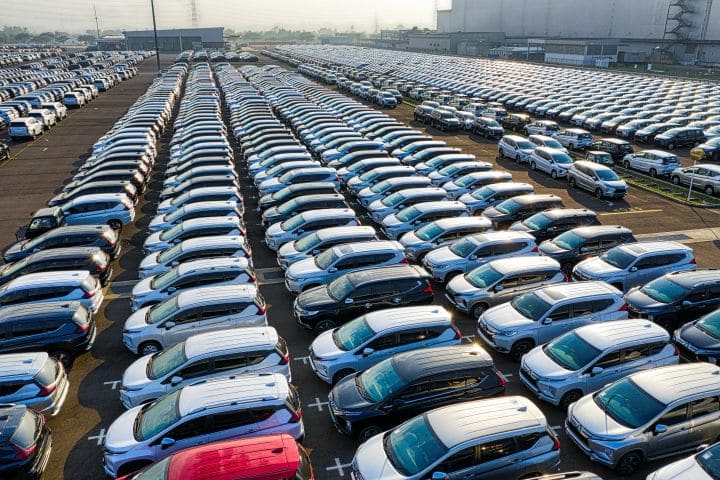
Some of the first-quarter EV sales surge came in consumers getting ahead of any trade tariff push on vehicle prices.
Pexels/Tom Fisk
As the Trump administration and congressional Republicans target electric-vehicle subsidies, consumers have a potentially fading chance to get deals, just as EV prices have come in line with gas-powered models.
House Republicans proposed this week to eliminate tax credits of up to $7,500 for EV purchases that have boosted sales of electrified vehicles and put EV transaction prices on par with those for internal combustion engine vehicles.
Combined with axing incentives for clean-energy production, the tax credit tanking would go toward the Trump administration’s tax-cut package.
With the EV tax credits still in place, the average transaction price for EVs is now $45,600, just $500 more than for ICE vehicles, according to J.D. Power research.
The House GOP proposal would phase out the EV tax credits, ending them completely by the end of next year. At that point, the average EV ATP would tick back up to $51,200, J.D. Power said.
The figures don’t take into account any inflation related to U.S. trade tariffs, which are still very much in flux.
Meanwhile, consumers can take advantage of plentiful EV inventory on dealer lots, which totaled about 155,000 new units this month, according to J.D. Power. It pointed out that the existing inventory also isn’t subject to tariffs because it was already in place before they took effect.
Automakers have introduced more EV models to answer regulatory pressures, bringing the number available on the U.S. market to more than 60, J.D. Power said. With the broad selection and lower ATPs, market share jumped 18% year-over-year in the first quarter, most of it from mass-market consumers.
Some of the first-quarter EV sales surge came in consumers getting ahead of any trade tariff push on vehicle prices.
If the EV purchase tax credits indeed end, it’s unknown if the cost difference will be passed along to consumers and how the change will affect EV sales.
Originally posted on F&I and Showroom
More Industry

Penske Auto Group Deal a Record
The deal to take the dealership and transportation services company private sets a new pace for industry buy-sell transactions.
Read More →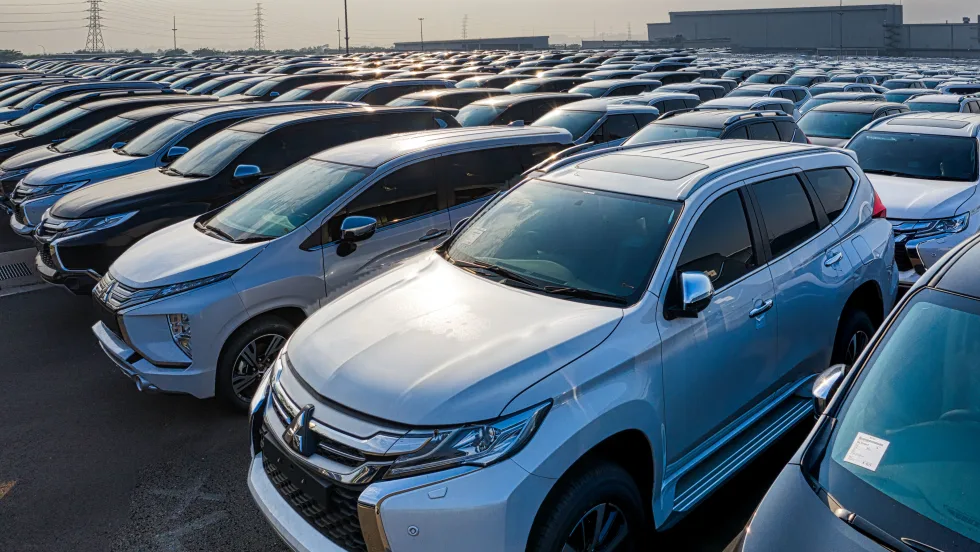
War Toll a Damper on Used Auto Prices
Cox Automotive found wholesale depreciation to be elevated in September amid high fuel prices and this year's unusual hurricane season.
Read More →
Bridge the Maintenance Gap
With many drivers missing recommended maintenance, service departments offering transparency and efficiency have a better chance of reaching financially strained consumers.
Read More →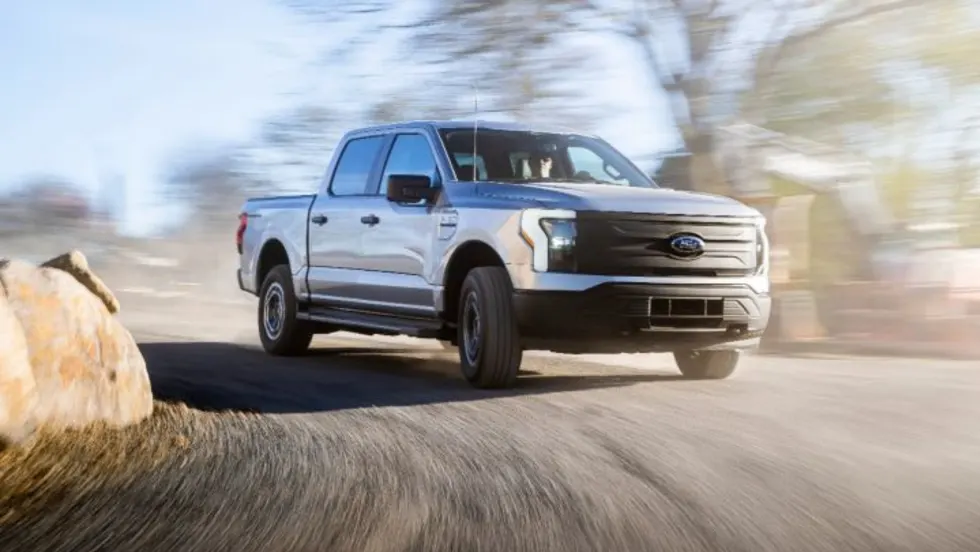
California Store Has New Owner
The longtime dealership in the northern part of the state is known for robust fleet sales and has served the state capital for 115 years.
Read More →
BMW Plant Pursues Cleaner Energy
BMW Group Plant Leipzig has utilized hydrogen to help power its production since 2013, but a new pipeline is planned to take it to another level.
Read More →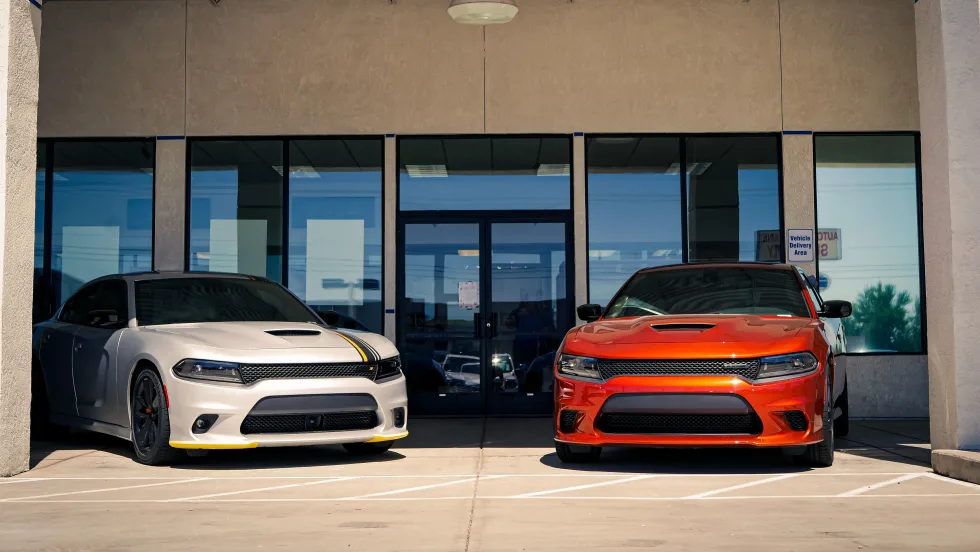
Auto Affordability Inches Up
The latest Cox Automotive and Moody’s Analytics index shows a slight increase in new-vehicle affordability despite high prices.
Read More →
Ohio Auto Group Under New Ownership
After 79 years with the Schluter family, Mansfield Auto Group has been acquired by Missouri-based Clement Auto Group.
Read More →
RV Group Expands Carolina Footprint
Blue Compass RV Columbia Northeast is the 13th RV dealership owned by Blue Compass in the Carolinas.
Read More →
Agent Acumen
An Agent Summit panel of people who’ve been supporting auto dealers for years gave both timely and timeless advice for those starting out or mulling the prospect.
Read More →
Missed Maintenance Creates Opportunity
As families get back on the road and into daily school routines, service drives have an opportunity to capture customers who are behind on recommended vehicle maintenance.
Read More →