In his spare time, he serves as show chair for the NABD’s many events. The association’s 14th annual National Conference was held in Las Vegas in May, and Shilson has two more meetings to go before the year is out: The first-ever BHPH Boot Camp in Charlotte, N.C., in August; in October, the East Coast BHPH Conference returns to Atlanta for its second year.
Ad Loading...
Several years ago, Shilson was among the first to identify an emerging trend: New-car dealers were beginning to enter the BHPH segment in force. To help launch Agent Entrepreneur’s BHPH channel, we caught up with Shilson to get an update on the trend and learn how agents can play a role.
AE: Here’s our premise: Agents can introduce their new-car dealer clients to BHPH as a new revenue stream. What do you think?
Shilson:
That’s something I’ve struggled with. What is holding the agents back? I believe it’s a combination of a lack of familiarity with the segment and the fact that agents are in a product-heavy business.
AE: When new-car dealers became interested in special finance, agents and product providers adapted.
Ad Loading...
Shilson:
True, and it makes sense to tie special finance and buy here, pay here together. But there are lots of add-ons in subprime and they’re lucrative for agents. Add-on products in buy here, pay here aren’t nearly as well-established, and the BHPH customer has only so much money to spend.
AE: What about vehicle service contracts?
Shilson:
The service contract absolutely does well in buy here, pay here. The initial problem, for agents, was that they wanted the price of the VSC covered upfront. BHPH operators are already putting plenty of money on the street.
Ad Loading...
AE: The providers must see the potential in that market. Have they asked you how to close the financing gap?
Shilson:
We were involved to the extent that the VSC providers started coming to the shows and asking questions. They definitely learned to reshape their deals. I would say that’s all happened just within the last 36 months.
AE: How about GAP insurance?
Shilson:
Ad Loading...
Well, obviously, that differs by state. Each has its own set of regulations. And GAP works best for the indirect dealer: Finance companies buy contracts from the dealers, and they need protection if the customer wrecks the car. Most operators who write their own deals simply don’t do it.
AE: Do you expect that to change? Will more product providers follow new-car dealers into buy here, pay here and create opportunities for agents?
Shilson:
There may not be a direct connection, but that doesn’t mean there can’t be. We don’t currently do anything specifically for agents, but they have attended our events.
AE: How can an agent help ensure that a client who’s new to buy here, pay here remains profitable?
Ad Loading...
Shilson:
There are so many resources that new-car dealers simply don’t know much about. Our show in May drew about 1,300 attendees, and that was preceded by our Dealer Academy, which had about 450 dealers. It was divided into two tracks: Track One was for people new to the business and Track Two was for experienced operators.
The majority of those in Track One were representing new-car dealerships. We try to get them to build their business model correctly and chart their capital requirements. You have to get that right, and you have to pick the right location, people and technology.
It’s pretty evident that there’s no longer a lot of profit to be made from selling new cars. Rather than lose those customers, dealers are adapting. If agents want to help, I encourage them to learn all they can about buy here, pay here.
Check this channel in the future for more information from Ken Shilson and other experts in the industry. For more information about the NABD and upcoming events, visit www.bhphinfo.com.
Forecasts show that the spring sales season is rising above overriding economic concerns, among them continuously rising car prices, trade tariffs, elevated interest rates, and now a war.
The Kerrigan Index shows that despite a chaotic year of musical trade tariffs, high vehicle prices and more roadblocks, acquirers still flush with pandemic-era cash accelerated the consolidation pace.
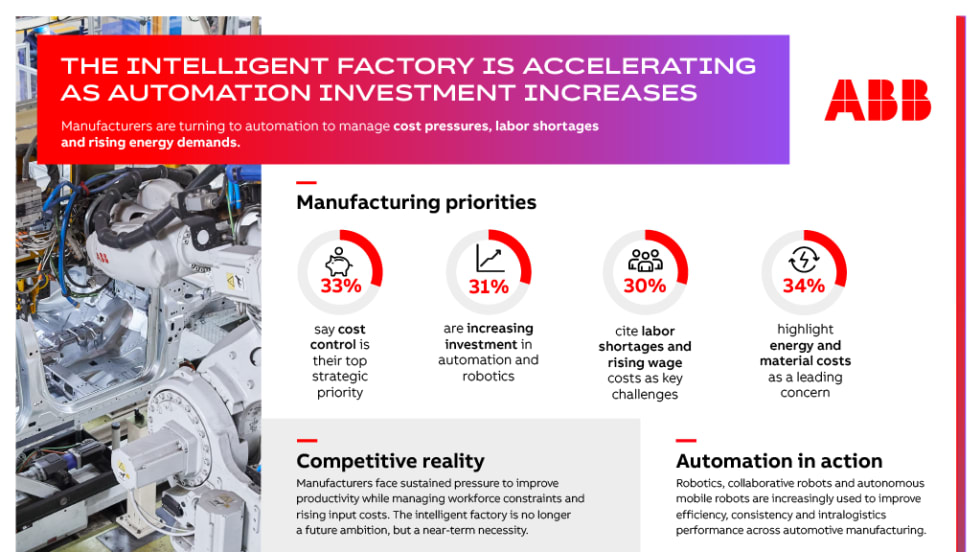
Labor shortages, material costs and tariffs are just a few of the reasons automakers are looking to expand their investments in automation and robotics this year.
The Middle East imports a sizable share of vehicles made in the states. It’s unclear how the Iran War could affect the keystone market for U.S. automakers.
Auto dealers don’t have to settle for high employee turnover. Despite historical patterns of rotating dealership doors, they can tweak their processes to find and keep the right people on staff.
New-vehicle sales fell year-over-year for the fifth month in a row in February, making retail deliveries the slowest they’ve been since 2023, according to a CarGurus report.