



U.S. Appeals Court Rejects Challenge to FCC Decision to Shift 5.9-GHz Reallocation
The U.S. Court of Appeals for the District of Columbia has rejected a legal challenge to a decision to shift part of the 5.9-GHz band spectrum block from auto safety to wireless devices.

TheVerge.com
A U.S. appeals court has rejected a legal challenge to the 2020 Federal Communications Commission (FCC) decision to shift part of the 5.9-GHz band spectrum block from auto safety to wireless devices.
The Intelligent Transportation Society of America and the American Association of State Highway and Transportation Officials brought a legal challenge to reverse the 5.9-GHz band reallocation before the c.
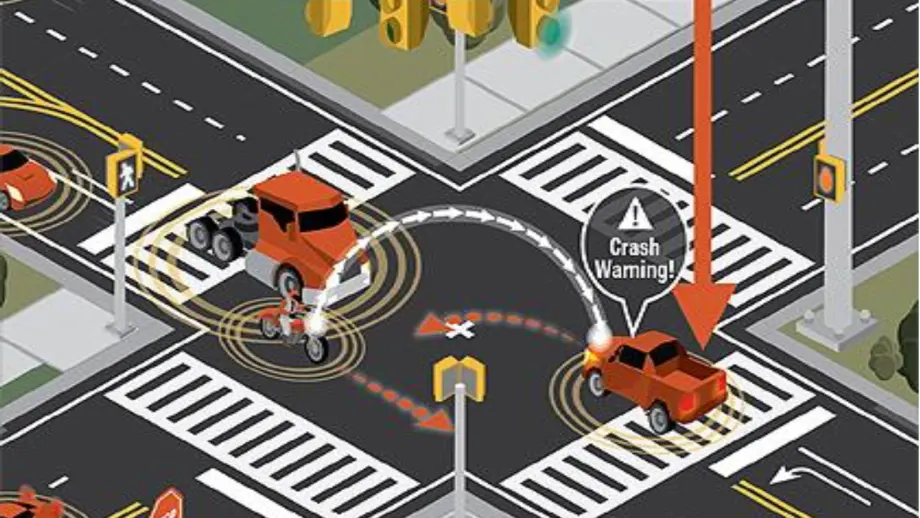
The FCC reserved the spectrum block in 1999 for automakers to develop technology that allowed vehicles to communicate and avoid crashes. To date, the industry hasn’t used the block.
At that time, the NCTA – The Internet & Television Association called the decision “an enormous victory for American consumers” that “enables that important 5.9-GHz spectrum to provide consumers with even more reliable, high-speed Wi-Fi and access to next-generation automotive safety applications."
But in 2020, the U.S. Transportation Department called the FCC plan “a particularly dangerous regulatory approach when public safety is at stake.”
The FCC then voted to shift 30 megahertz of the 75 megahertz reserved for Dedicated Short-Range Communications (DSRC) to an automotive communications technology called Cellular Vehicle-to-Everything, or C-V2X, while moving the remainder to Wi-Fi use.
Automakers opposed the split citing safety concerns, while major cable, telecom and content companies claimed the allocation was needed to support growing Wi-Fi use.
Government studies suggest the technology, if widely adopted in U.S. vehicles, could prevent over 600,000 crashes annually.
Originally posted on Auto Dealer Today
More Product & Technology
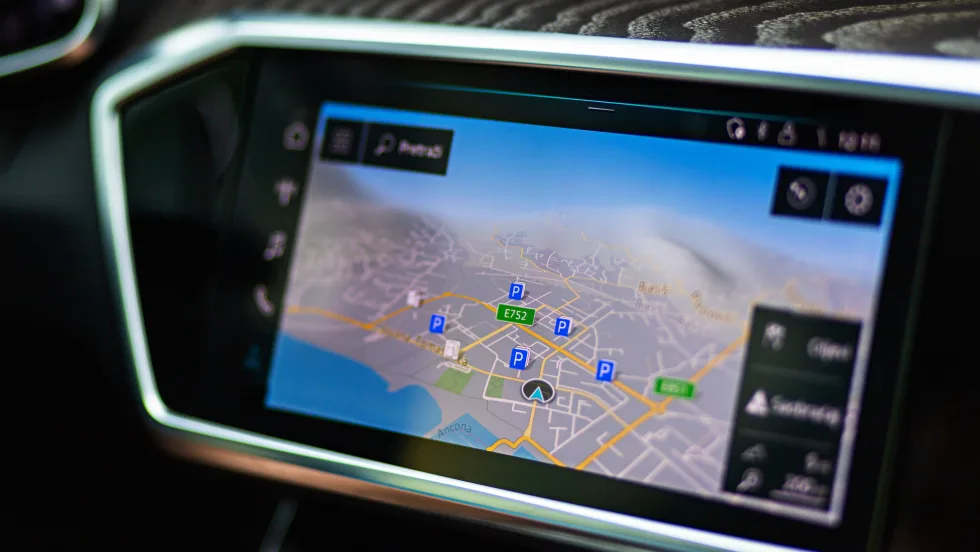
Computer Headaches on the Road
Consumers keep complaining about new cars’ infotainment tech, but are automakers listening? A recent survey shows regression except for mapping and speakers.
Read More →
Another Death Tied to Imported Air Bags
The Texas traffic fatality is the 11th federal regulators have connected to defective inflators imported from China. They urge that a certain population of used vehicles be inspected.
Read More →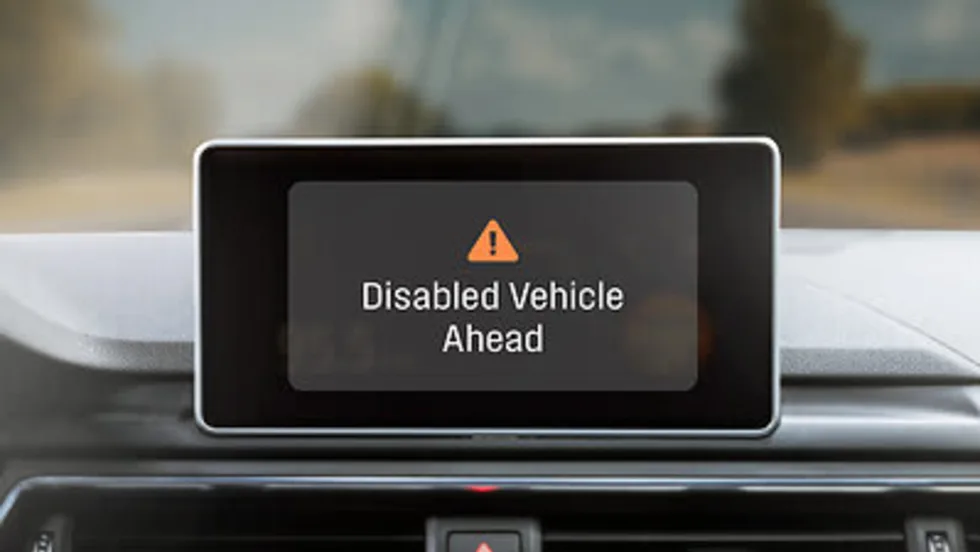
Roadside Warnings Debut
Mazda works with AAA and a technology company to alert passersby to stranded vehicles from its lineup, for both parties’ safety.
Read More →
AI As Trainer?
This month, Agent Entrepreneur Editor Hannah Mitchell shares an artificial-intelligence development that could upend traditional dealership training.
Read More →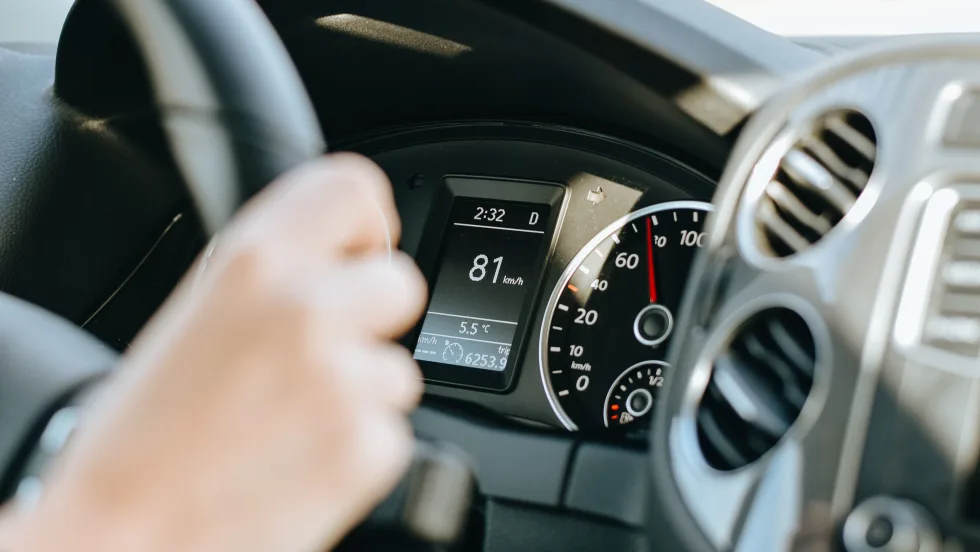
A Lingering Auto Tech Divide
Automakers still struggle to hit consumers’ sweet spot, hanging onto the despised touchscreen and adding other complex systems while simple, effective details hit the mark.
Read More →
AI, China and the Next Wave of Auto Retail Innovation
F&I sits at the center of the changes expected to sweep the industry in just the new few years as new players change the game.
Read More →
That Bot Can Do a Lot
Artificial intelligence was all the buzz at the 2026 Agent Summit. A panel of tech specialists broke through the noise to give agents guidance on steering dealer clients.
Read More →
Cyber F&I
Your dealer clients could only benefit from showcasing products on their websites along with vehicle inventory. Modern consumers expect to be informed and are more likely to buy products when they are.
Read More →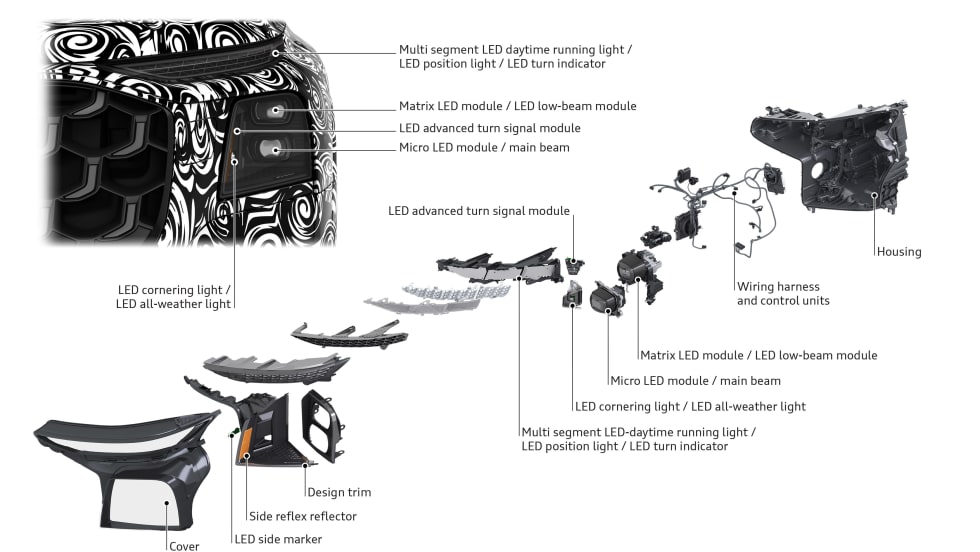
Road Glare to Drop a Notch?
Audi is preparing two SUV models for the American market with the automaker’s adaptive LED headlights. Its technology is designed to reduce brightness for other drivers, a growing complaint among U.S. motorists.
Read More →
AppOne Partners With RouteOne for E-Contracting Solution
By digitizing the entire contracting and funding process, the company says auto dealers can eliminate frustrating and disorganized manual processes.
Read More →