



Subaru Sees Q2 Profit Hike
Subaru profit jumped 25% in the latest quarter as the automaker recovered production, ramped up sales and cashed in on favorable exchanges rates.


Subaru
Subaru profit jumped 25% in the latest quarter as the automaker recovered production, ramped up sales and cashed in on favorable exchanges rates.
CFO Katsuyuki Mizuma noted that even amid recession concerns, American demand for Subarus vehicles remains robust. The company, he says, currently has 50,000 back orders to fill in the U.S. Limited production outputs stands as Subaru’s biggest obstacle.
"Our inventory continues to be at a four- to five-day supply levels at retailers in the U.S.," Mizuma said. "Despite concerns over an economic slowdown, there has been no change in sales momentum at our retailers. ... If we can produce more cars, that will lead to more sales."
Subaru Corp.'s operating profit soared to $271.3 million in the first fiscal quarter ending June 30. The Japanese automaker’s income expanded 47% to $199.5 million.
Tightened production is easing for the company as the company clears hurdles brought by the pandemic and the global semiconductor chip shortage.
Its global output increased 12% to 205,000 vehicles in the April-June period, to drive a 12% increase in worldwide sales to 196,000 vehicles.
Subaru has struggled to fill back orders for several quarters. Worldwide, the automaker sits on 100,000 back orders, Mizuma said.
"In the U.S., our retailers carefully control the number of orders they take so that they do not have to cancel any orders," Mizuma said. "That's why orders will directly lead to sales."
The biggest boost to Subaru's earnings came as the Japanese yen weakened against foreign currencies, especially the U.S. dollar.
Most of the automaker’s volume comes from the U.S. market, and when those dollar-denominated sales were repatriated to the Japanese parent company, it added around $325.6 million to the carmaker's balance sheet.
Subaru has kept its forecast unchanged for the fiscal year ending March 31, 2023. It sees global sales rebounding 28% to 940,000 vehicles by the end of the fiscal year.
The company forecasts operating income will more than double to $1.47 billion.
Originally posted on Auto Dealer Today
More Sales

September Payments Reach New Heights
Despite lower interest rates and longer loan terms, the average new-vehicle monthly payment continues to climb, and transaction prices remain high.
Read More →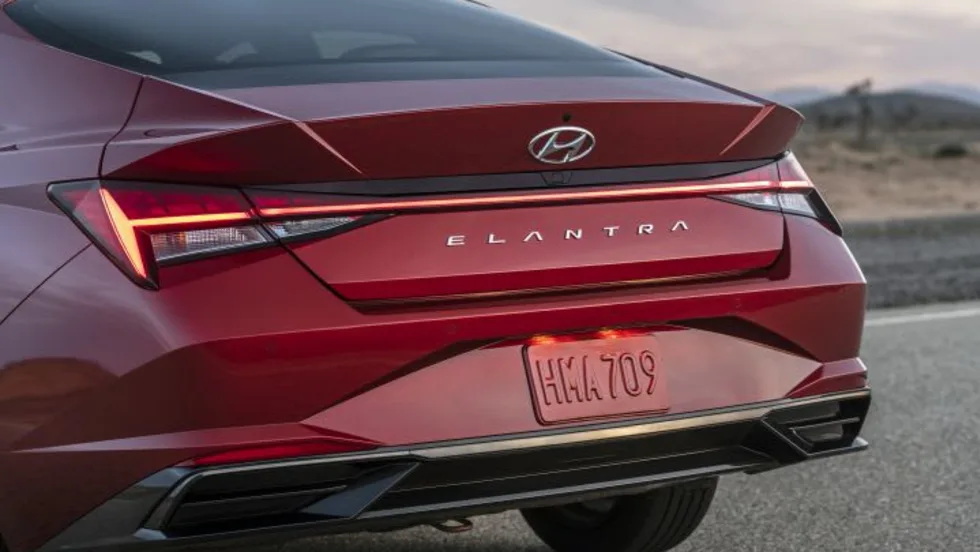
Used Lots Getting the Business
Many consumers are seeking out the units to save money, and the demand – higher in July than normal – is keeping supply limited and prices up.
Read More →
Two Kinds of Agents and the 5 Ps That Separate Them
Follow these key guidelines to distinguish your agency from competitors by adding more value to your dealer clients' businesses.
Read More →
Positive Equity Reaches Record High
Mainstream vehicle owners who bought a car seven years ago are likely to have positive equity when trading in for a new vehicle, according to second-quarter Edmunds data.
Read More →
Used Market Stabilizes
The Carfax Used Car Index noted a major drop in used-vehicle price increases in July after several months of hikes.
Read More →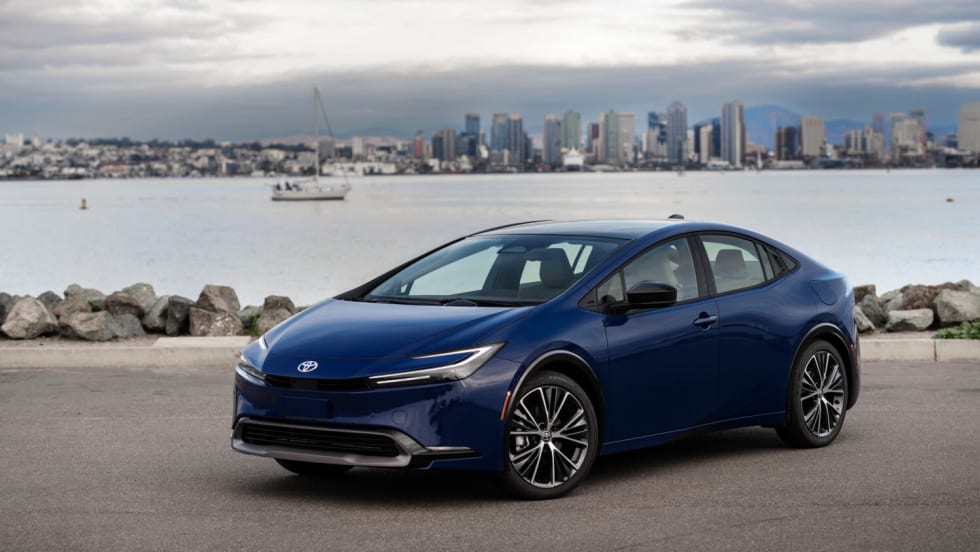
July Auto Sales Simmer
Deliveries were up modestly from a year ago despite still-high prices as OEMs offered more incentives and loan rates eased somewhat.
Read More →
Used Sales Hit Summer Drag
The vacation season, combined with high prices, has dented deliveries and added to inventories, though supply is still slim enough to keep listings elevated.
Read More →
June Automotive Boon?
A forecast for this month’s new-vehicle sales tells a familiar 2026 story: Year-over-year comparisons must be made in light of last year’s aberrations.
Read More →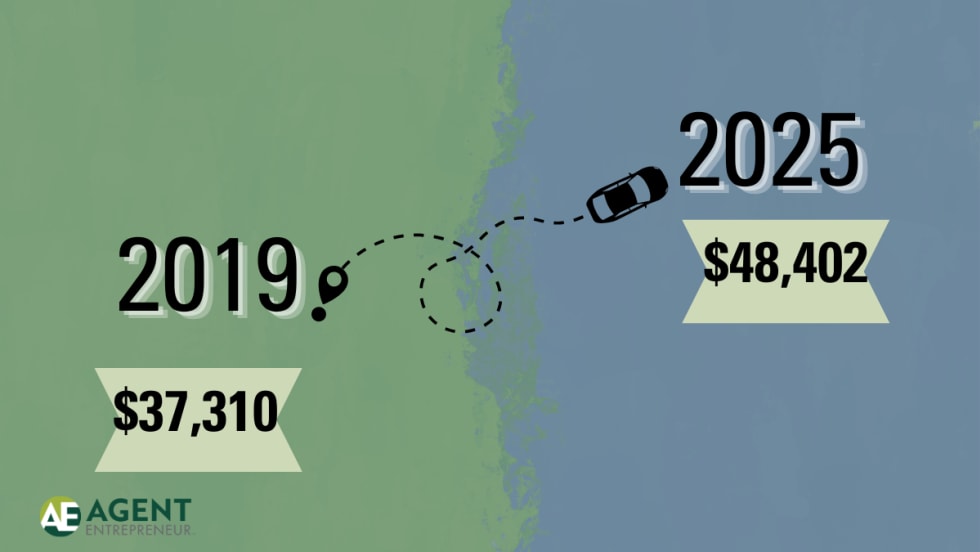
Affordable New Cars a Thing of the Past
More than one out of five new vehicles sell for more than $60,000, according to Edmunds. That's up 7% compared to prepandemic 2019.
Read More →
Legacy Automakers Risk Falling Behind
As legacy automakers, mostly in the U.S. and Japan, have revised their 2030 electric-vehicle sales targets and shifted to a hybrid focus, they risk falling behind new market leaders.
Read More →