



Small Profit Gains Expected for Toyota Motor Corp.
Soaring material and parts costs offset benefits gained from a plunging Japanese yen and production rebound.

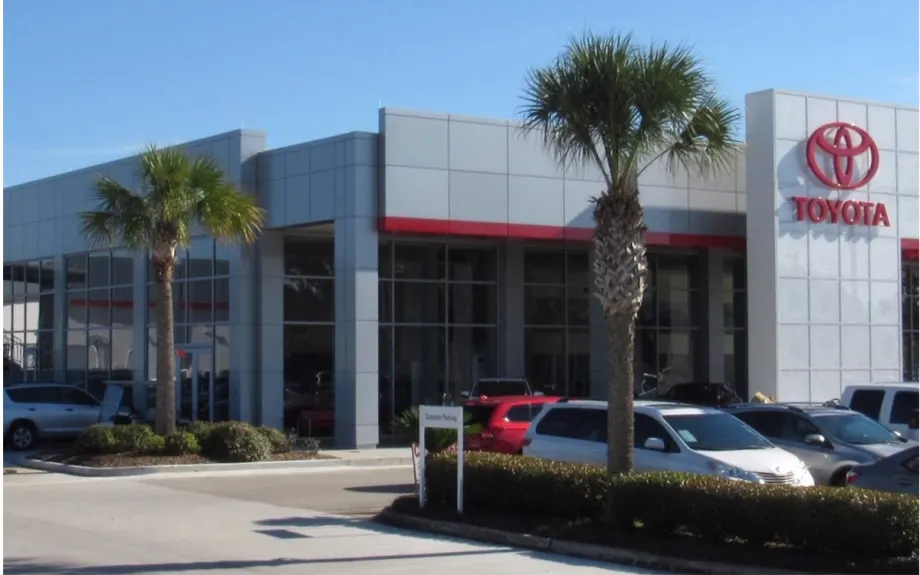
Soaring material and parts costs offset benefits gained from a plunging Japanese yen and production rebound.
IMAGE: Toyota
Analysts expect Toyota Motor Corp. to report a small quarterly profit increase on Tuesday, with soaring costs of parts and materials nearly offsetting benefits gained from the plunging Japanese yen and a production rebound.
The automaker reported last week that global production rebounded by 30% in the quarter ending in September. But execs warned shortages of semiconductors and other components would continue to constrain output in coming months.
As the auto chip shortage situation improves, it should raise output in the second half of the current fiscal year. But investors’ concerns will shift to the demand outlook, other potential disruptions in the supply chain, and the automaker’s electric vehicle strategy when Toyota reports its earnings.
Toyota is expected to report a 3% increase in July-September operating profit to 772.22 billion yen ($5.3 billion), its highest since the December quarter, according to the average estimate in a poll of 12 analysts by Refinitiv.
This marks the first profit increase in three quarters and a significant improvement from a sharper-than-expected 42% plunge in June quarter profit.
The yen plunged around 30% this year against the U.S. dollar, which boosted the value of Toyota's overseas sales. Toyota adjusted its yen forecast for the year to 130 yen from 115 yen following the first quarter results. But now the currency is trading at around 146 to the dollar.
Soaring input costs have offset the cheap yen. In August, Toyota estimated its material cost for the full year at 1.7 trillion yen, a 17% increase.
Toyota and its major Japanese rivals, Nissan Motor and Honda Motor are also struggling with a slow push into electric vehicles.
Toyota is reconsidering its EV plan to better compete in the EV market just one year into its $38 billion EV plan, Reuters reported earlier this month.
Another setback included a recall of the automaker’s first mass-produced EV after just two months on the market because of safety concerns earlier this year. Toyota restarted taking leasing orders this month.
Originally posted on Auto Dealer Today
More Sales

September Payments Reach New Heights
Despite lower interest rates and longer loan terms, the average new-vehicle monthly payment continues to climb, and transaction prices remain high.
Read More →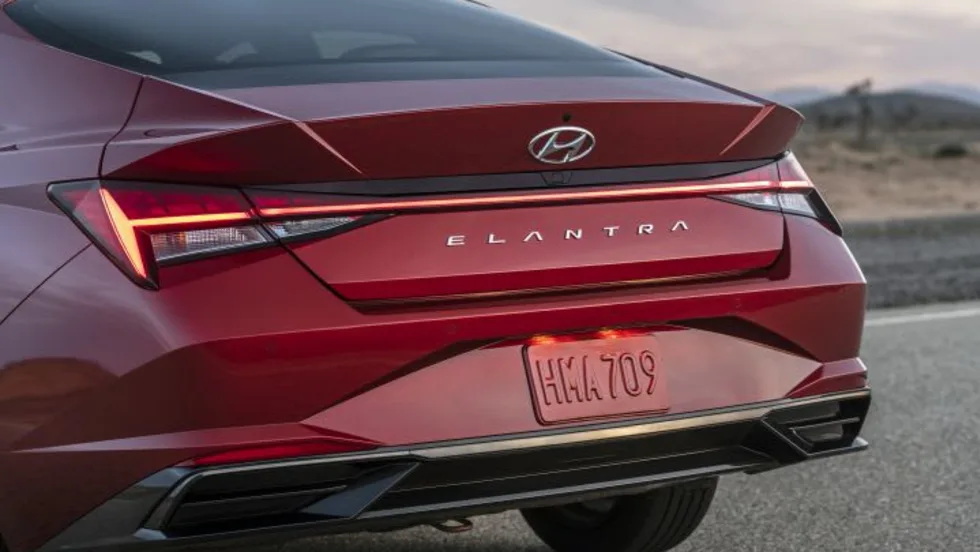
Used Lots Getting the Business
Many consumers are seeking out the units to save money, and the demand – higher in July than normal – is keeping supply limited and prices up.
Read More →
Two Kinds of Agents and the 5 Ps That Separate Them
Follow these key guidelines to distinguish your agency from competitors by adding more value to your dealer clients' businesses.
Read More →
Positive Equity Reaches Record High
Mainstream vehicle owners who bought a car seven years ago are likely to have positive equity when trading in for a new vehicle, according to second-quarter Edmunds data.
Read More →
Used Market Stabilizes
The Carfax Used Car Index noted a major drop in used-vehicle price increases in July after several months of hikes.
Read More →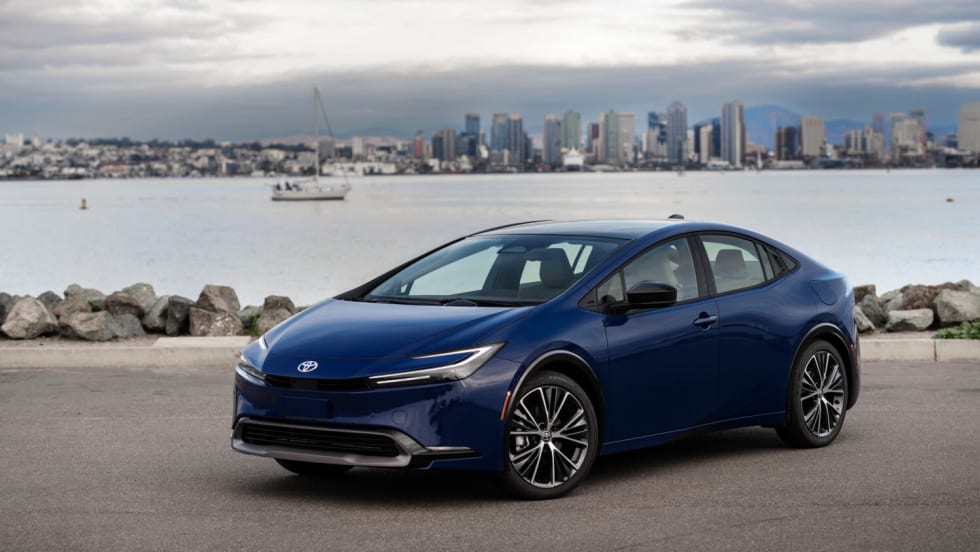
July Auto Sales Simmer
Deliveries were up modestly from a year ago despite still-high prices as OEMs offered more incentives and loan rates eased somewhat.
Read More →
Used Sales Hit Summer Drag
The vacation season, combined with high prices, has dented deliveries and added to inventories, though supply is still slim enough to keep listings elevated.
Read More →
June Automotive Boon?
A forecast for this month’s new-vehicle sales tells a familiar 2026 story: Year-over-year comparisons must be made in light of last year’s aberrations.
Read More →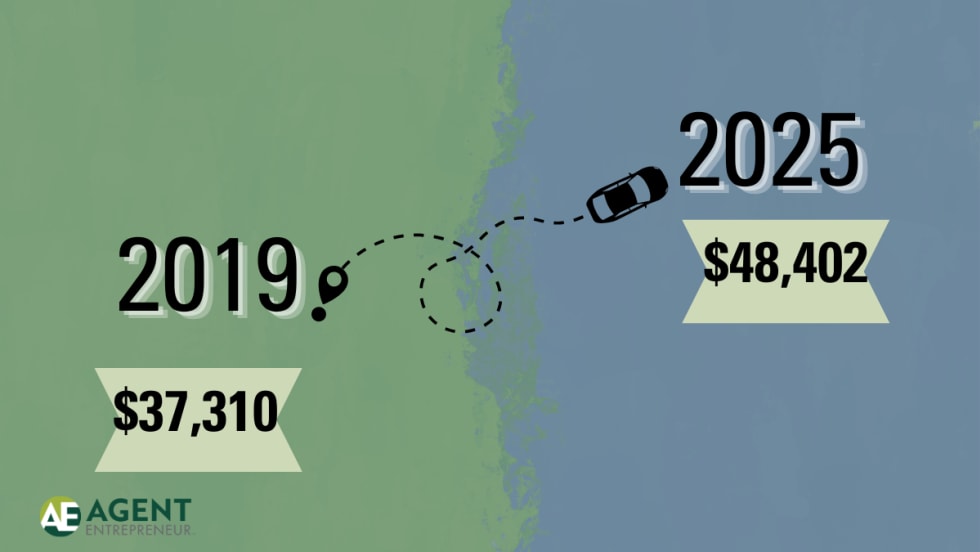
Affordable New Cars a Thing of the Past
More than one out of five new vehicles sell for more than $60,000, according to Edmunds. That's up 7% compared to prepandemic 2019.
Read More →
Legacy Automakers Risk Falling Behind
As legacy automakers, mostly in the U.S. and Japan, have revised their 2030 electric-vehicle sales targets and shifted to a hybrid focus, they risk falling behind new market leaders.
Read More →