



OEM Apps Still Lacking
Consumers say they miss some desired features while finding others impractical.

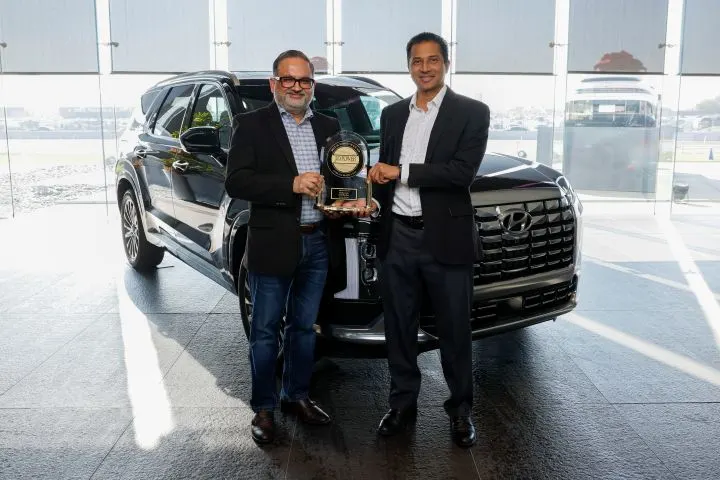
Hyundai Motor North America’s Manish Mehrotra, vice president, digital business planning and connected operations, and Vijay Rao, director, connected operations and owner apps/websites, celebrate winning J.D. Power's 2024 U.S. OEM ICE App trophy.
Hyundai
Many U.S. auto consumers value the potential of their vehicle manufacturer mobile applications, but the apps often fail to meet their expectations, according a recent survey.
The findings point to needed improvements, since 77% of survey respondents said they use an automaker’s app at least occasionally.
The autumn J.D. Power poll of gas-powered vehicle owners found that many of them experience automaker apps as unreliable and slow. Some also see no value in some app features while wanting features the apps don’t include.
App connectivity and response time particularly frustrated many consumers. Almost a third of survey respondents – 32% – said their apps’ connectivity had failed, up from 29% a year earlier. And 61% found apps’ response time slow at various degrees of frequency.
“Automakers have made improvements in app features, improved response times and fixed connectivity gaps but, to improve customer satisfaction, they need to deliver core features that perform reliably,” said J.D. Power Mobile Apps Lead Violet Allmandinger in a press release.
Among app features consumers long for are security features, such as vehicle camera views and security warnings – 83% of respondents said they want such capabilities. Many consumers could do without others, including vehicle marketplaces. Of the consumers who stopped using their vehicle apps, 25% blamed lack of desired features.
Hyundai's MyHyundai with Bluelink app is the top-ranked mass-market OEM app in this year's survey, scoring an impressive 895 on a 1,000-point scale, followed by Kia Access at 843 and MyNissan at 770. Genesis Intelligent Assistant is tops among premium brands at 874, Mercedes at 821, and My BMW at 815.
Originally posted on F&I and Showroom
More Product & Technology
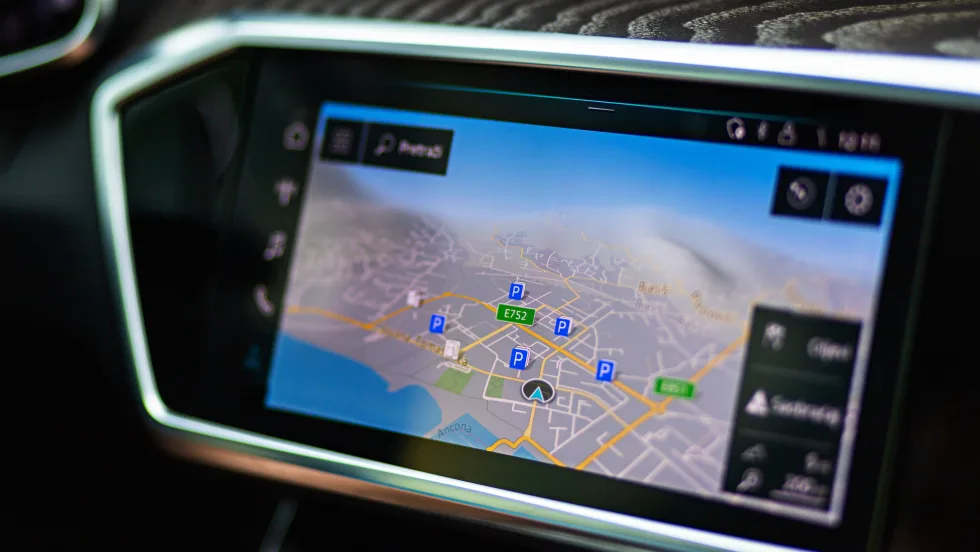
Computer Headaches on the Road
Consumers keep complaining about new cars’ infotainment tech, but are automakers listening? A recent survey shows regression except for mapping and speakers.
Read More →
Another Death Tied to Imported Air Bags
The Texas traffic fatality is the 11th federal regulators have connected to defective inflators imported from China. They urge that a certain population of used vehicles be inspected.
Read More →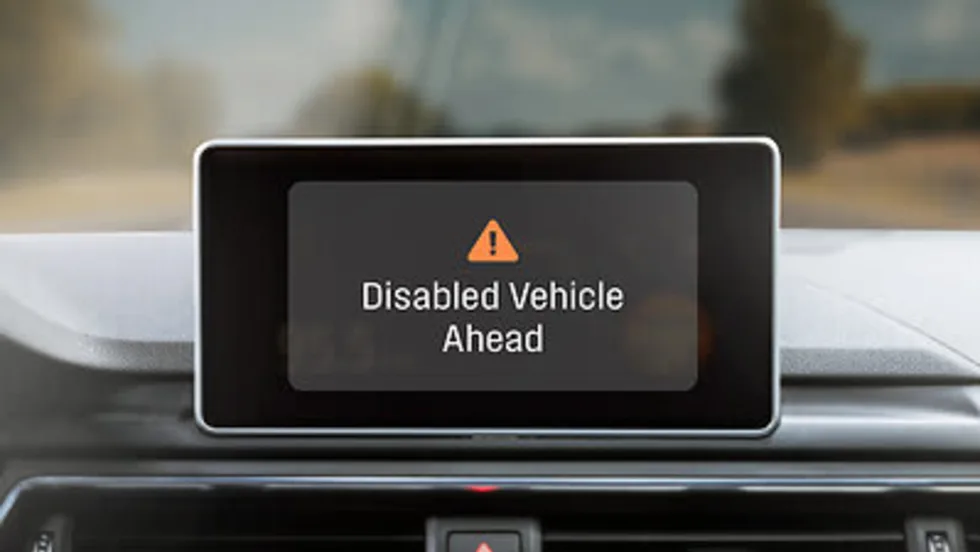
Roadside Warnings Debut
Mazda works with AAA and a technology company to alert passersby to stranded vehicles from its lineup, for both parties’ safety.
Read More →
AI As Trainer?
This month, Agent Entrepreneur Editor Hannah Mitchell shares an artificial-intelligence development that could upend traditional dealership training.
Read More →
A Lingering Auto Tech Divide
Automakers still struggle to hit consumers’ sweet spot, hanging onto the despised touchscreen and adding other complex systems while simple, effective details hit the mark.
Read More →
AI, China and the Next Wave of Auto Retail Innovation
F&I sits at the center of the changes expected to sweep the industry in just the new few years as new players change the game.
Read More →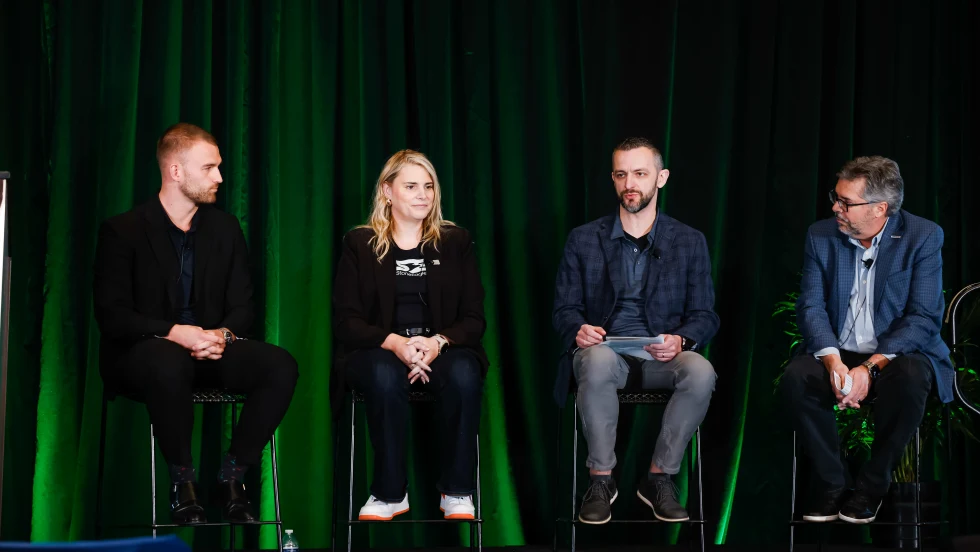
That Bot Can Do a Lot
Artificial intelligence was all the buzz at the 2026 Agent Summit. A panel of tech specialists broke through the noise to give agents guidance on steering dealer clients.
Read More →
Cyber F&I
Your dealer clients could only benefit from showcasing products on their websites along with vehicle inventory. Modern consumers expect to be informed and are more likely to buy products when they are.
Read More →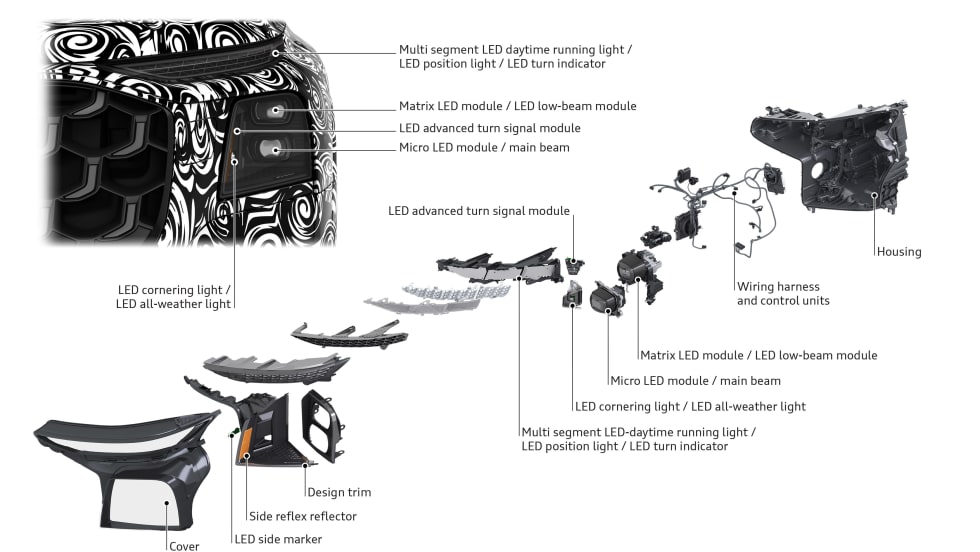
Road Glare to Drop a Notch?
Audi is preparing two SUV models for the American market with the automaker’s adaptive LED headlights. Its technology is designed to reduce brightness for other drivers, a growing complaint among U.S. motorists.
Read More →
AppOne Partners With RouteOne for E-Contracting Solution
By digitizing the entire contracting and funding process, the company says auto dealers can eliminate frustrating and disorganized manual processes.
Read More →