



NHTSA Urges Recall of 67 Million Air Bag Inflators
The affected air bags are utilized by a dozen car manufacturers, including General Motors Co., Stellantis NV, Volkswagen AG, and Hyundai Motor Co.


NHTSA reported debris can clog the channel where gas is supposed to fill the bag, leading to a buildup of pressure and the release of metal fragments during a crash.
Pixabay
U.S. regulators have recommended the recall of 67 million air bag inflators because of explosion risk during a crash. This announcement marks a significant escalation of a long-standing safety issue that has plagued the auto industry for years.
The National Highway Traffic Safety Administration (NHTSA) has identified nine cases of ruptured air bag inflators resulting in injuries, including two fatalities, dating from 2009 to March 2023. The inflators are manufactured by ARC Automotive Inc. of Knoxville, Tennessee. In a letter posted online, NHTSA urged ARC Automotive to initiate an immediate recall of these potentially dangerous components.
The affected air bags are utilized by a dozen car manufacturers, including General Motors Co., Stellantis NV, Volkswagen AG, and Hyundai Motor Co. General Motors has already announced a recall of nearly 1 million vehicles from 2014 to 2017 equipped with ARC inflators. NHTSA did not provide a complete list of automakers or vehicle models that utilized the ARC parts. However, General Motors' recall includes nearly 1 million Buick Enclave, Chevrolet Traverse, and GMC Acadia vehicles from model years 2014 to 2017, according to NHTSA filings.
However, ARC Automotive Inc. stated it is premature to initiate a large-scale recall. In a letter to the NHTSA, the company expressed its willingness to cooperate but expressed a belief that the NHTSA cannot compel it to initiate a safety recall. ARC Automotive asserts it does not believe there is a safety defect in the air bag inflators manufactured over an 18-year period and emphasizes it has cooperated with the NHTSA investigation since 2015. If an agreement cannot be reached, the dispute may escalate to a court battle.
While the situation echoes the massive recall of over 100 million defective air bag inflators manufactured by Takata Corp., the issues with ARC inflators appear unrelated. Still, recalling tens of millions of vehicles for repairs would present a significant burden for both the automotive industry and car owners.
The alleged flaw in ARC's inflators is related to debris potentially left inside the part during a welding process performed by the company until January 2018. NHTSA reported the debris can clog the channel where gas is supposed to fill the bag, leading to excess pressure and the potential release of metal fragments during a crash.
In contrast, the Takata air bag recall involved propellant based on ammonium nitrate, a chemical explosive that can become unstable. The degradation of the propellant, combined with excessive force during a crash, caused the inflators to rupture and release shrapnel-like metal pieces into the vehicle. Despite extensive efforts to replace these defective parts, approximately 8 million Takata inflators are still in use on U.S. roads, leading some automakers to caution against operating older vehicles until the faulty components are replaced.
Originally posted on Auto Dealer Today
More Product & Technology
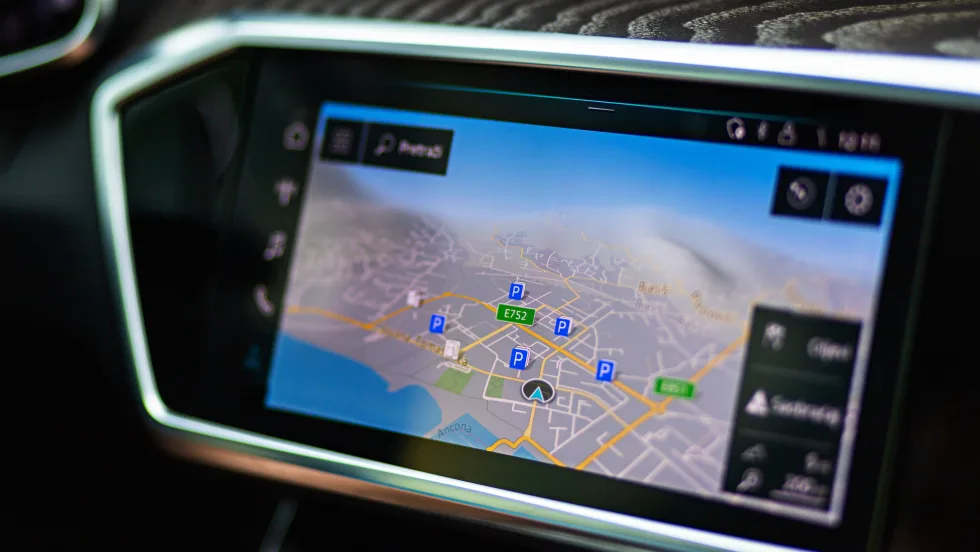
Computer Headaches on the Road
Consumers keep complaining about new cars’ infotainment tech, but are automakers listening? A recent survey shows regression except for mapping and speakers.
Read More →
Another Death Tied to Imported Air Bags
The Texas traffic fatality is the 11th federal regulators have connected to defective inflators imported from China. They urge that a certain population of used vehicles be inspected.
Read More →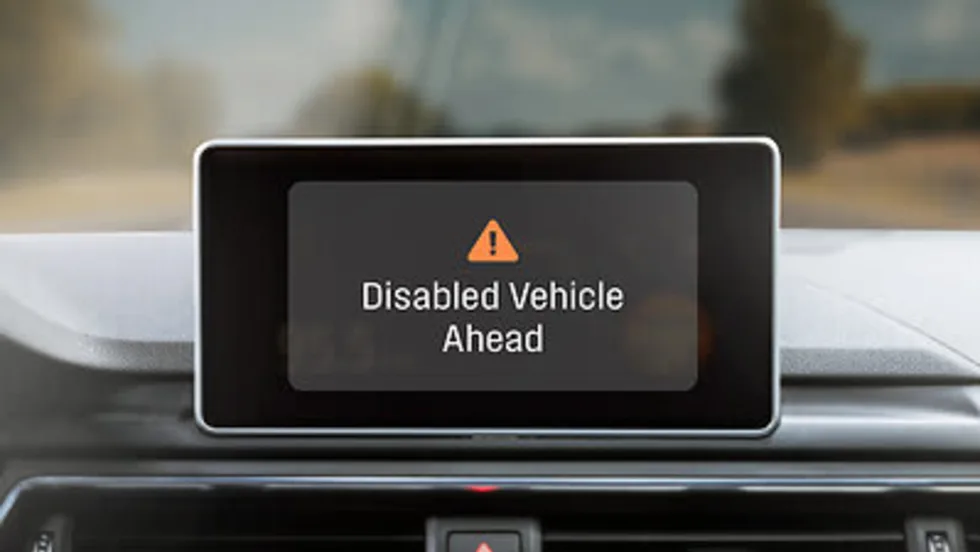
Roadside Warnings Debut
Mazda works with AAA and a technology company to alert passersby to stranded vehicles from its lineup, for both parties’ safety.
Read More →
AI As Trainer?
This month, Agent Entrepreneur Editor Hannah Mitchell shares an artificial-intelligence development that could upend traditional dealership training.
Read More →
A Lingering Auto Tech Divide
Automakers still struggle to hit consumers’ sweet spot, hanging onto the despised touchscreen and adding other complex systems while simple, effective details hit the mark.
Read More →
AI, China and the Next Wave of Auto Retail Innovation
F&I sits at the center of the changes expected to sweep the industry in just the new few years as new players change the game.
Read More →
That Bot Can Do a Lot
Artificial intelligence was all the buzz at the 2026 Agent Summit. A panel of tech specialists broke through the noise to give agents guidance on steering dealer clients.
Read More →
Cyber F&I
Your dealer clients could only benefit from showcasing products on their websites along with vehicle inventory. Modern consumers expect to be informed and are more likely to buy products when they are.
Read More →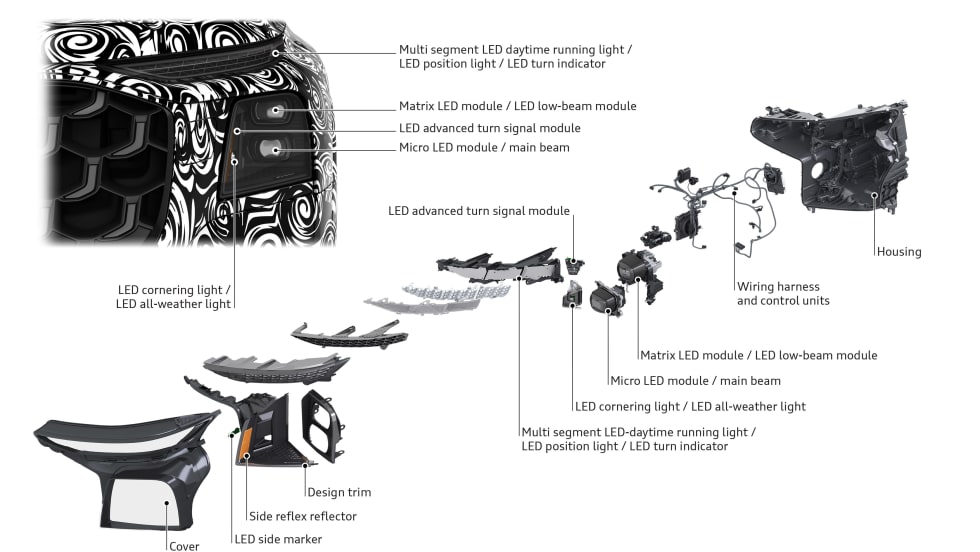
Road Glare to Drop a Notch?
Audi is preparing two SUV models for the American market with the automaker’s adaptive LED headlights. Its technology is designed to reduce brightness for other drivers, a growing complaint among U.S. motorists.
Read More →
AppOne Partners With RouteOne for E-Contracting Solution
By digitizing the entire contracting and funding process, the company says auto dealers can eliminate frustrating and disorganized manual processes.
Read More →